 Free shipping on orders over £29,85
  Shipping Tracking!


 Google
 Facebook
← Back to What to Do if Epoxy Resin Does Not Harden?
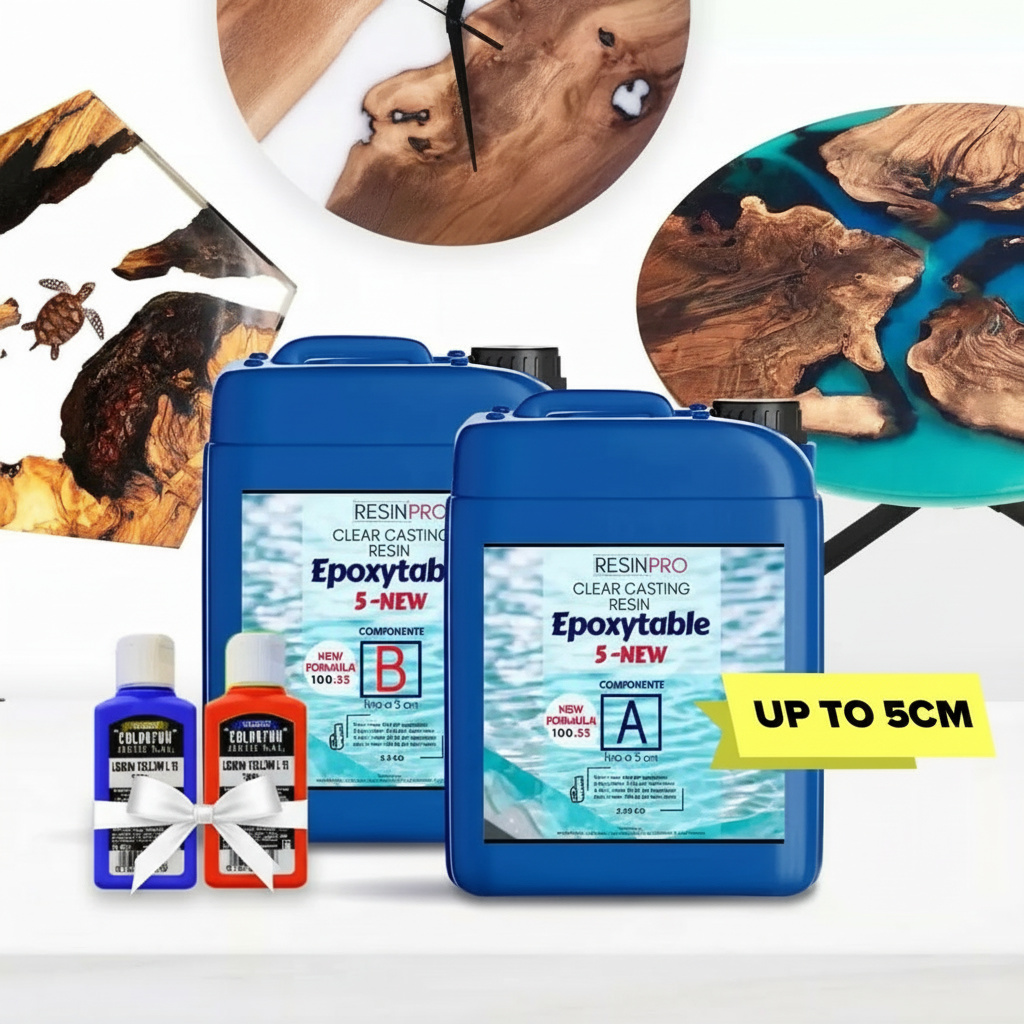
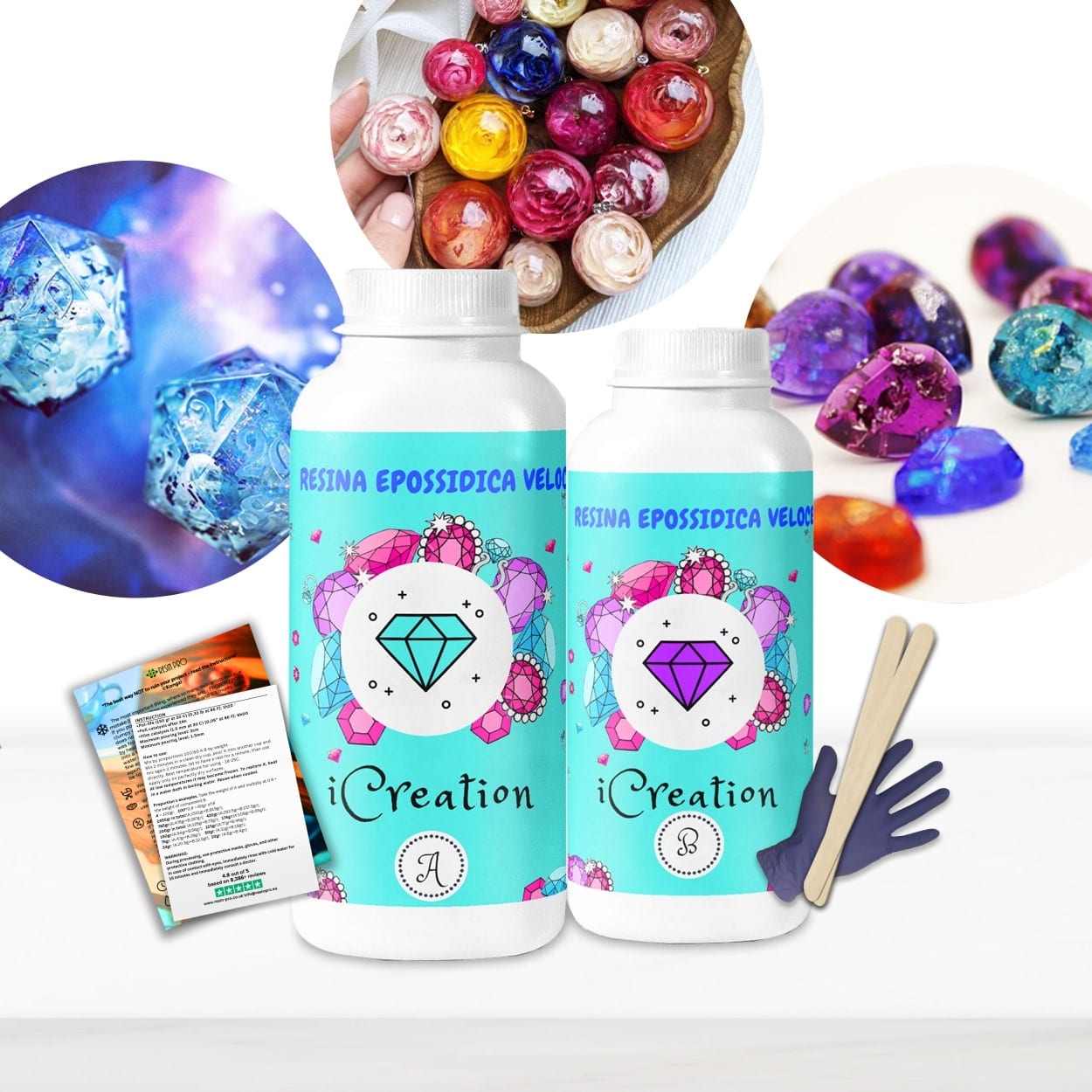
Epoxy resins produce heat while curing—a natural chemical reaction known as exotherm. When making large or deep resin castings, controlling this heat is crucial to prevent distortion or defects. Choosing an epoxy with a low exothermic reaction is an effective way to avoid problems like overheating and deformation.
Why Exothermic Reaction Matters
As epoxy resin cures, it generates heat internally. In small or thin projects, this heat usually dissipates safely. However, when pouring epoxy in thick layers or large volumes, the heat can build up in the centre of the casting. Excessive heat may cause the resin to warp, crack, or even start to smoke. A low exothermic formulation slows down the heat build-up, giving you a safer and smoother cure every time.


Best Techniques for Thick Pours
If you’re undertaking a resin table, large artwork, or a major casting project, select a resin specifically designed for deep pours. For example, “EpoxyTable 5-Five” can be poured up to 5cm thick in one go, thanks to its low exotherm profile. For even larger projects or castings up to 10cm, “Epoxytable 10-Ten” is formulated to handle deeper volumes without overheating. For extremely large pieces, carry out multiple thinner pours, allowing a waiting period between layers for maximum control and optimal results.
When This Matters
- Creating river tables, countertops, and large sculptural pieces
- Pouring resin into moulds thicker than a few centimetres
- Working in warmer environments where heat management is more challenging

Related products
Related guides
Paying attention to exothermal behaviour is key to achieving a flawless finish, especially on larger projects. Using a low exothermic epoxy resin is one of the best preventative steps against soft, deformed, or incompletely hardened pieces. Explore more solutions on what to do if your epoxy resin does not harden.