 Free shipping on orders over £29,85
  Shipping Tracking!


 Google
 Facebook
← Back to How much resin is needed for a table?
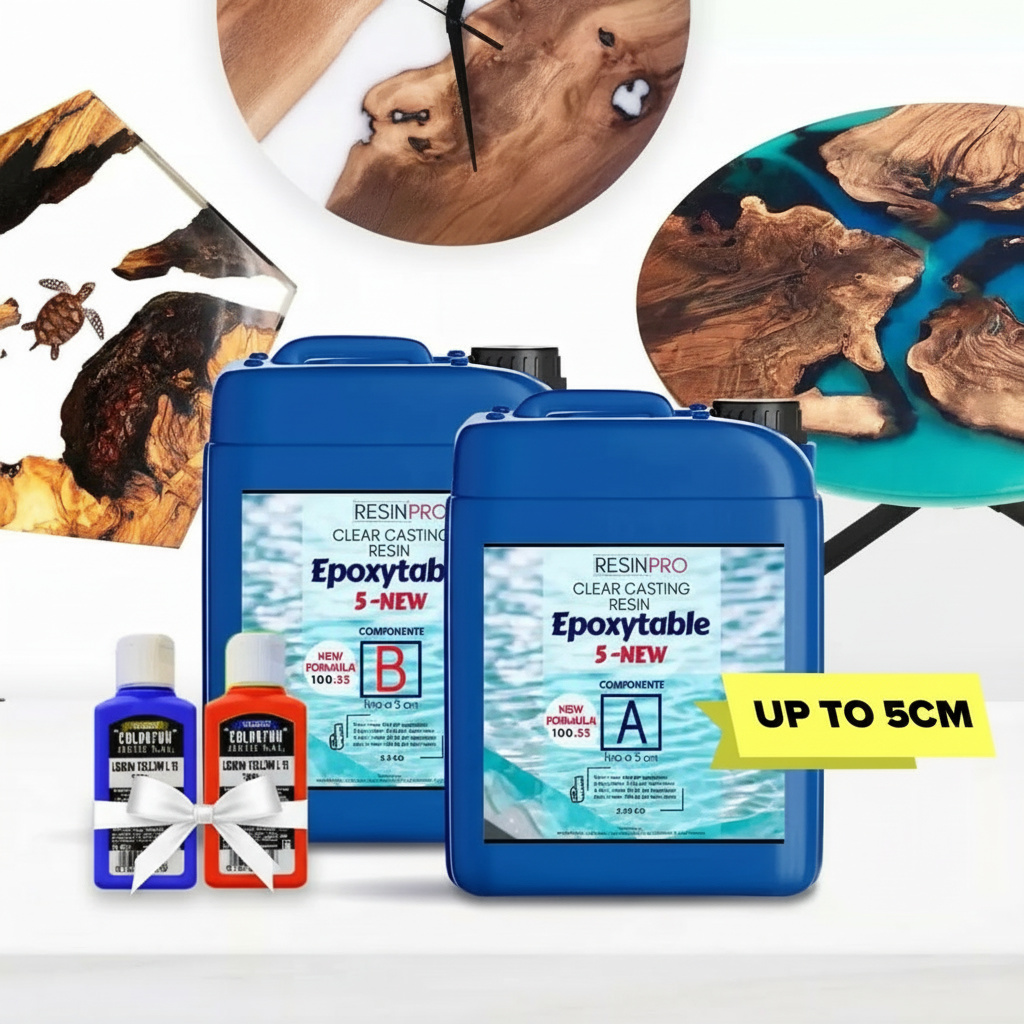
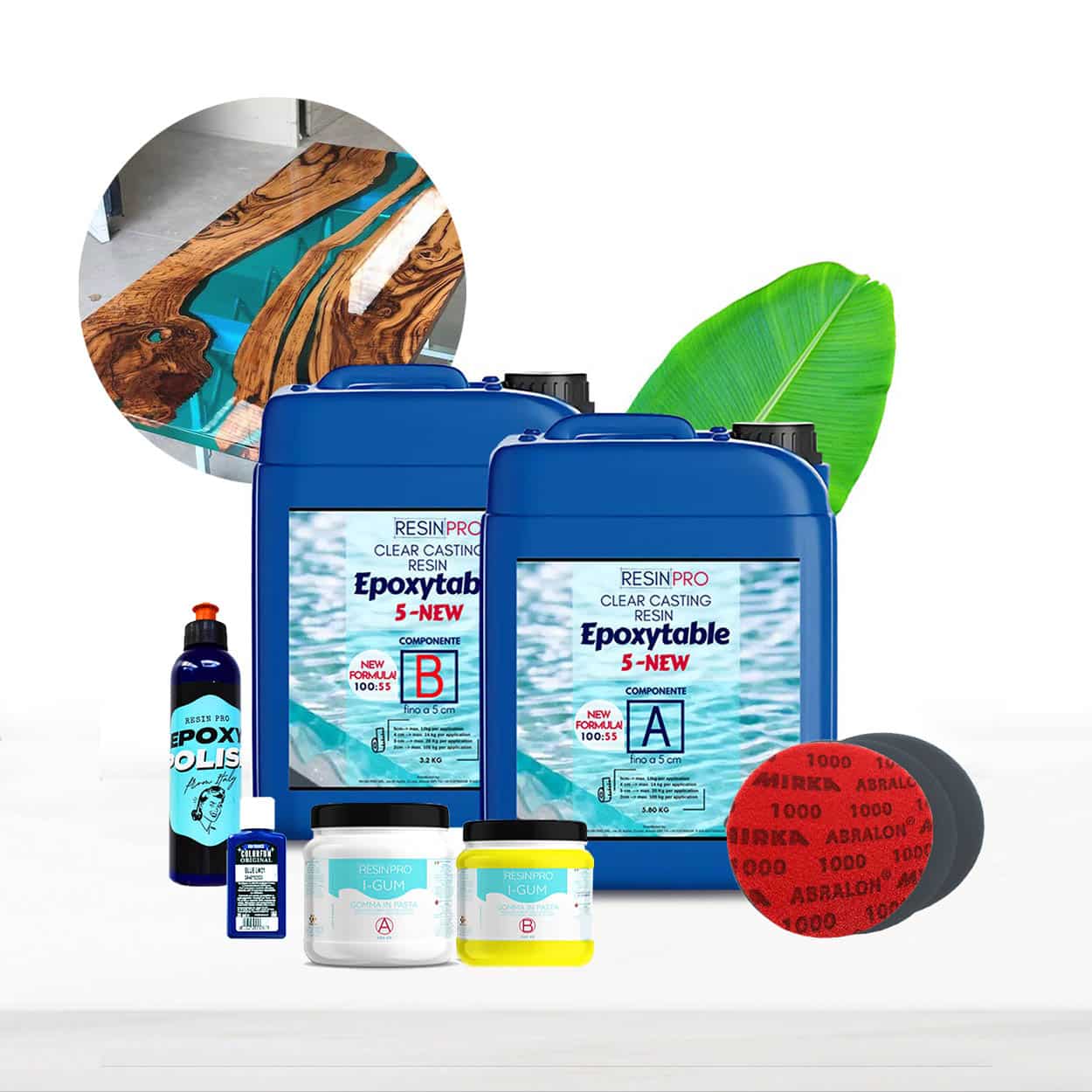
Ensuring a clear, bubble-free finish is one of the biggest challenges when pouring resin for table projects. Choosing a low viscosity epoxy is a key way to help prevent bubbles from forming and getting trapped in your creation, especially during deep or large pours.
What Does ‘Low Viscosity’ Mean?
Viscosity refers to how thick or runny a liquid is. Low viscosity resins are more fluid, so they flow easily into every corner and around obstacles like wood pieces. This runniness allows air bubbles to rise more freely to the surface, where they can be popped or will simply escape before the resin starts to cure.

How Low Viscosity Reduces Bubbles
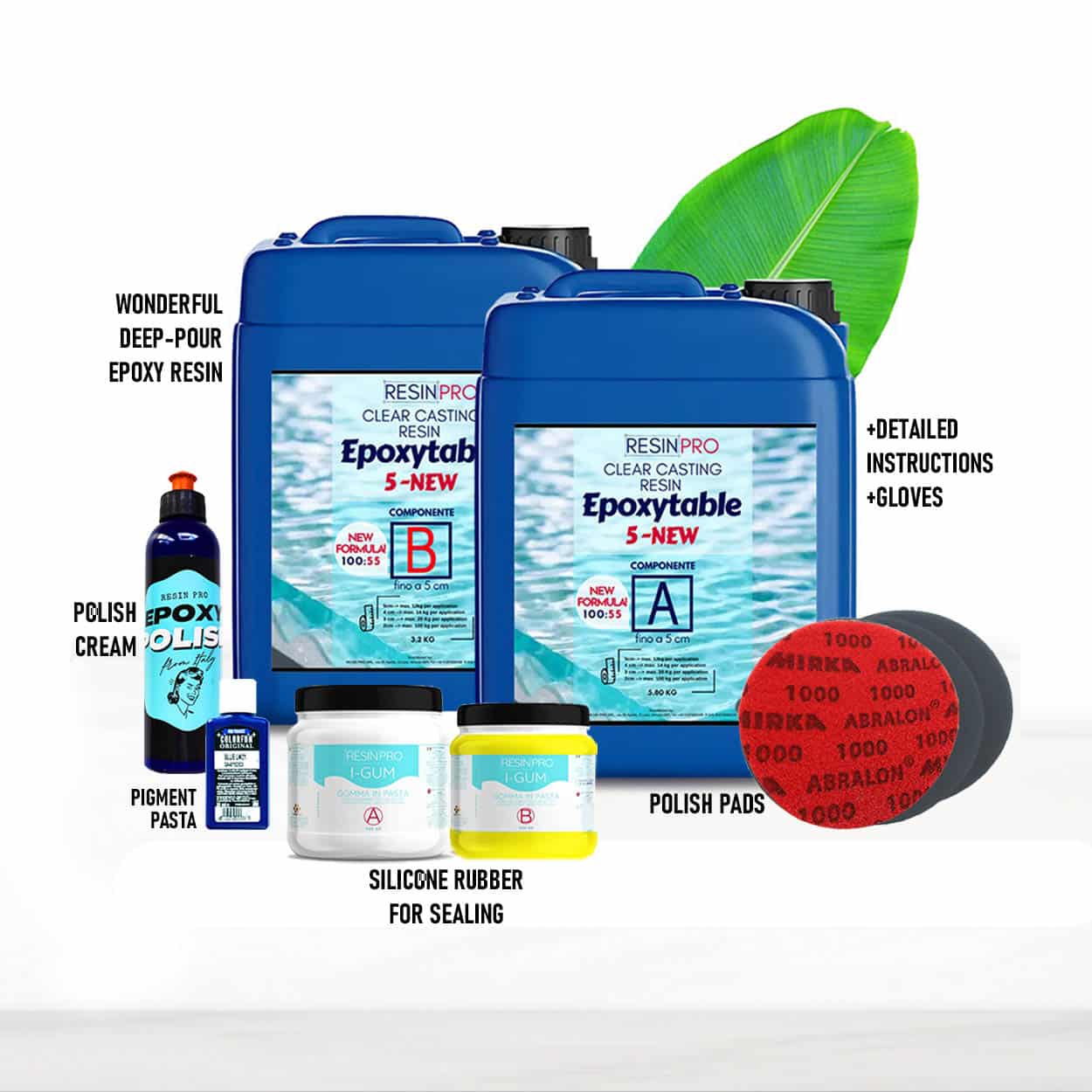
Bubbles can appear when you mix your resin or pour it over uneven materials. Low viscosity epoxy makes it much easier for these bubbles to travel upwards, as the resin doesn’t trap air as easily as thicker alternatives. Products like EpoxyTable 5-Five are specifically formulated with this in mind, helping both beginners and professionals achieve clearer results with less effort.
Practical Tips for Using Low Viscosity Resin
- Always mix your resin and hardener gently to minimise the introduction of air.
- Pour slowly and steadily, allowing bubbles to escape as you go.
- If pouring deep layers, consider doing it in stages—this gives bubbles more time to rise and be removed between pours.
- If you spot surface bubbles after pouring, a quick pass with a heat gun or blowtorch can help them pop before curing begins.

When Low Viscosity Matters Most
Low viscosity resin is especially helpful for intricate river tables, large projects where deep pours are required, or when working around complex wood grain. In these situations, minimising bubbles is crucial for achieving a beautiful, transparent finish.
Related products
Related guides
Choosing the right epoxy is just as important as calculating how much resin your table needs. For advice on quantities and more detailed guides for your next project, visit our main resin calculation page.