 Free shipping on orders over £29,85
  Shipping Tracking!


 Google
 Facebook
← Back to How to create sea foam effects with epoxy resin?
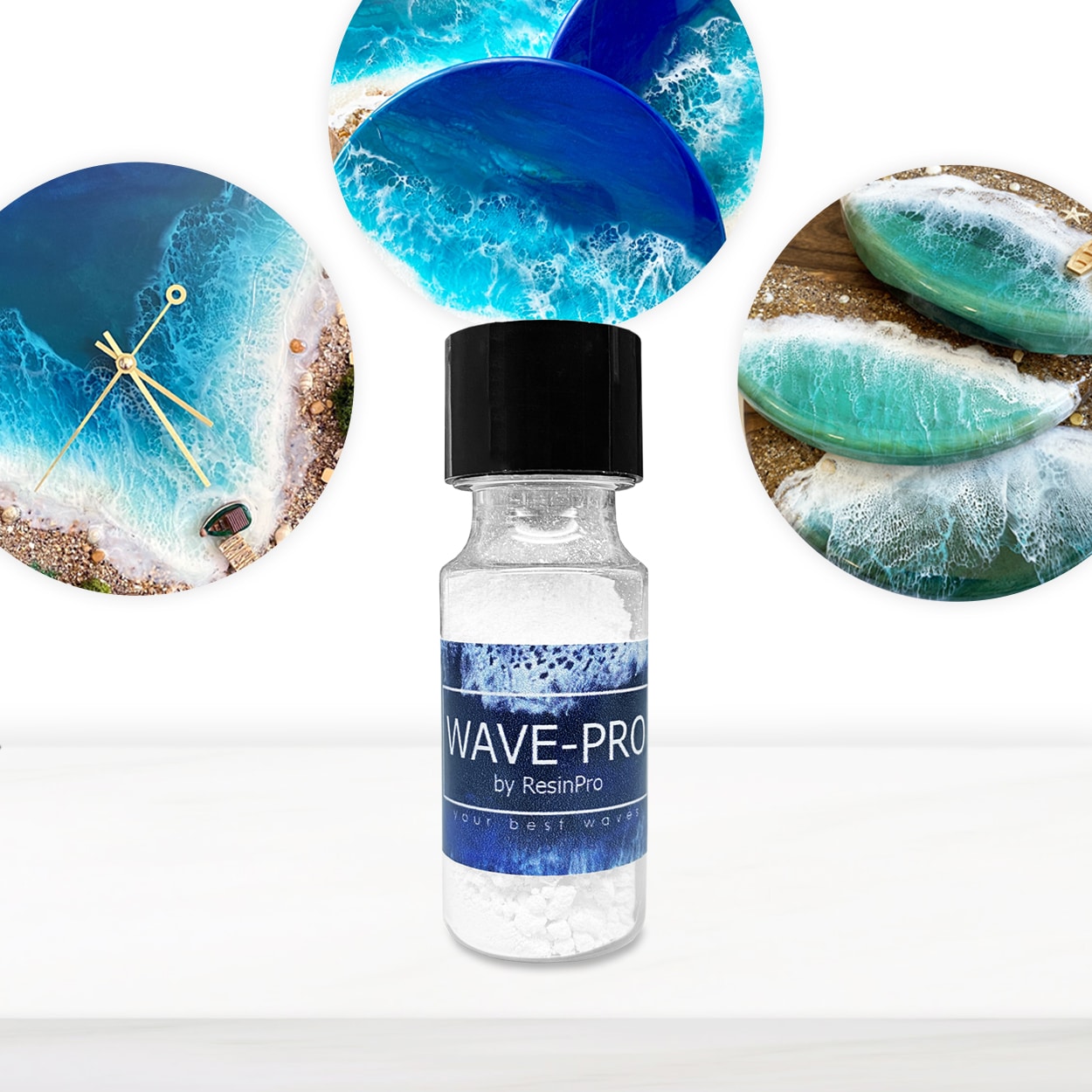
Achieving beautifully lifelike sea foam and wave patterns in epoxy resin artworks requires not only the right materials, but also a hands-on approach to manipulating the resin while it’s still wet. By learning key techniques for working with wet resin, you can create those iconic foamy crests and flowing waves that bring ocean-inspired art to life.
Shaping Sea Foam and Waves: Timing and Tools
The window of time when epoxy resin is fully workable is vital for shaping dynamic foam and waves. Once poured and coloured, the resin should have a thick but fluid consistency. Use tools such as stirring sticks, toothpicks, or spatulas to gently drag and swirl resin, mimicking the natural direction and motion of waves. For realistic sea foam, blend white pigmented resin or introduce a reactive additive, like the Wave-Pro Powder, which physically disperses the resin to form organic cell patterns and lacy effects as it cures. Keep movements smooth and controlled, avoiding overworking which can muddy the effect.
Creating Depth with Layering and Additives
Layering multiple pours of tinted resin enhances the sense of depth and movement. Begin with deeper shades for base water tones, then add lighter, foamy layers with each subsequent pour. For an extra boost of dynamism, wave additives—especially those designed for epoxy resin—can dramatically enhance the reaction that forms the textured, frothy appearance of sea foam. It’s important to use pigments and additives compatible with your resin for best results; thick, pourable epoxy and professional marine dyes make manipulation easier and colours more vibrant.
Practical Tips: Achieving Professional Results
- Work in well-lit conditions to clearly see the resin’s response as you manipulate it.
- Plan your wave direction before pouring so movements look intentional and harmonious.
- Patience pays off: letting the resin settle for a few minutes after pouring can help achieve softer blends at the edge of each wave or foam line.
When this Matters
These techniques are especially useful when aiming for realistic ocean scenes, statement trays, coasters or art boards where the fluidity and lifelike texture of the waves are the highlight of the piece. Whether you’re a hobbyist or an experienced resin artist, hands-on manipulation of wet resin unlocks endless possibilities for ocean-inspired creativity.
Related products
Related guides
Perfecting your resin manipulation skills helps you achieve the dynamic sea foam and wave effects that define ocean art. To explore more approaches and materials for stunning seascape creations, visit our main guide on how to create sea foam effects with epoxy resin.