 Free shipping on orders over £29,85
  Shipping Tracking!


 Google
 Facebook
← Back to How do you make putty without silicone?
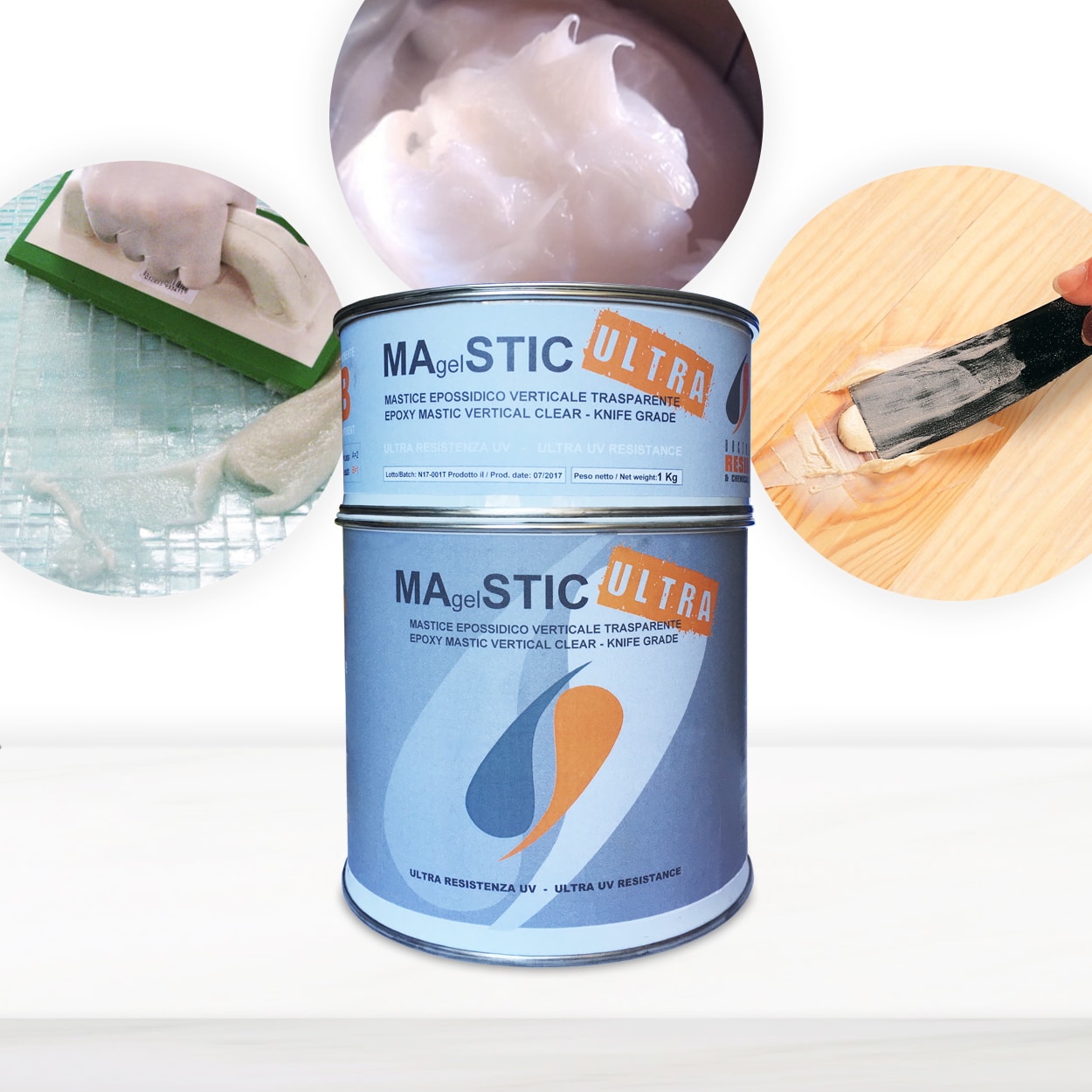
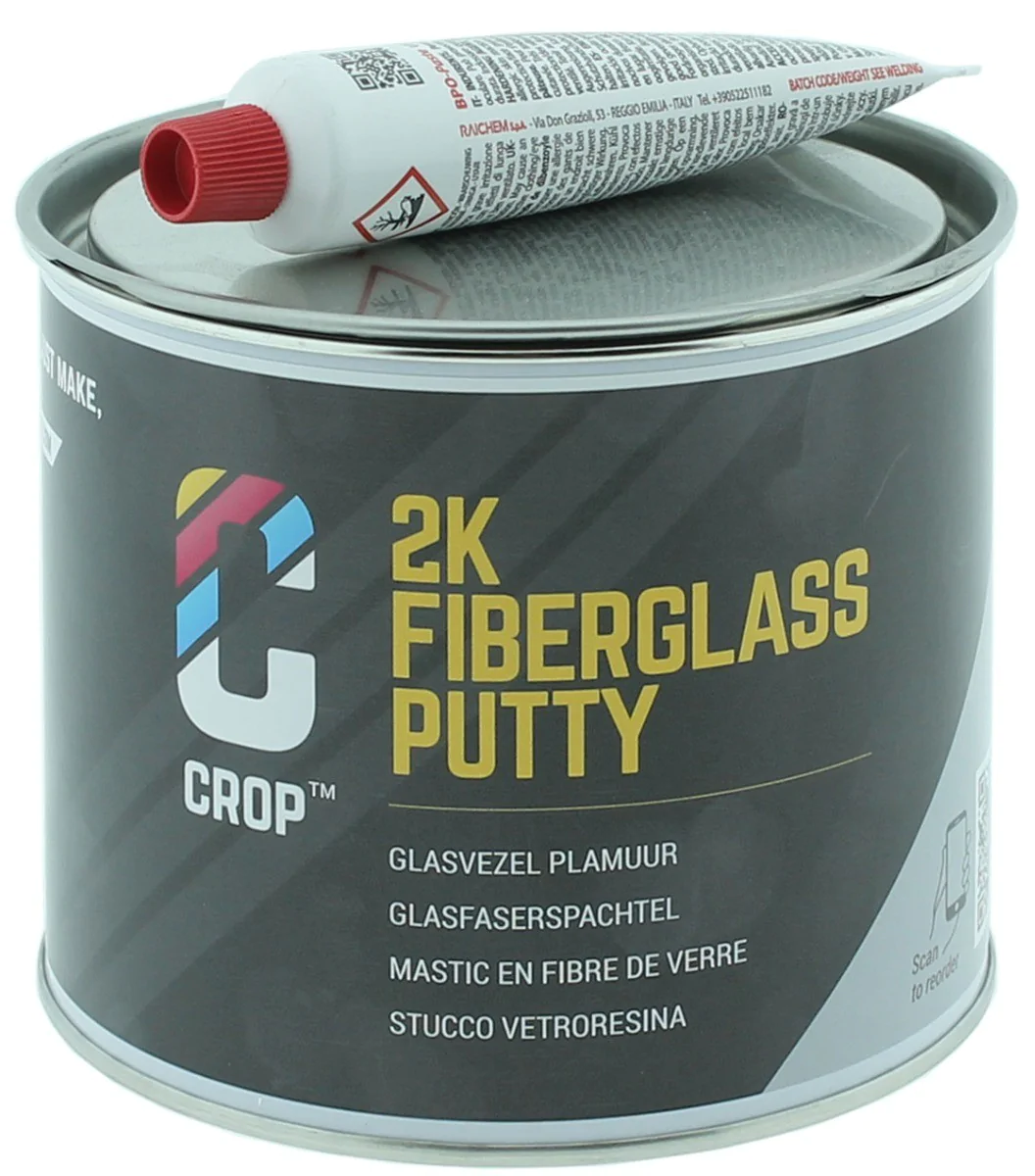
When a flawless, even surface is required for repairs or restoration, choosing a putty with minimal shrinkage is essential—especially if you’re working without silicone-based products. Selecting the right putty formula helps achieve a smooth, professional result that lasts.
Why Minimal Shrinkage Matters
Shrinkage occurs as solvents or resins in a putty cure and evaporate, which can lead to surface imperfections or gaps. Minimal shrinkage ensures that the repaired area stays flush and intact, reducing the need for additional filling or sanding. This is crucial in applications like stone bonding, surface restoration, or automotive bodywork, where the slightest dip can affect the final finish.
Practical Choices for Low-Shrinkage Putty
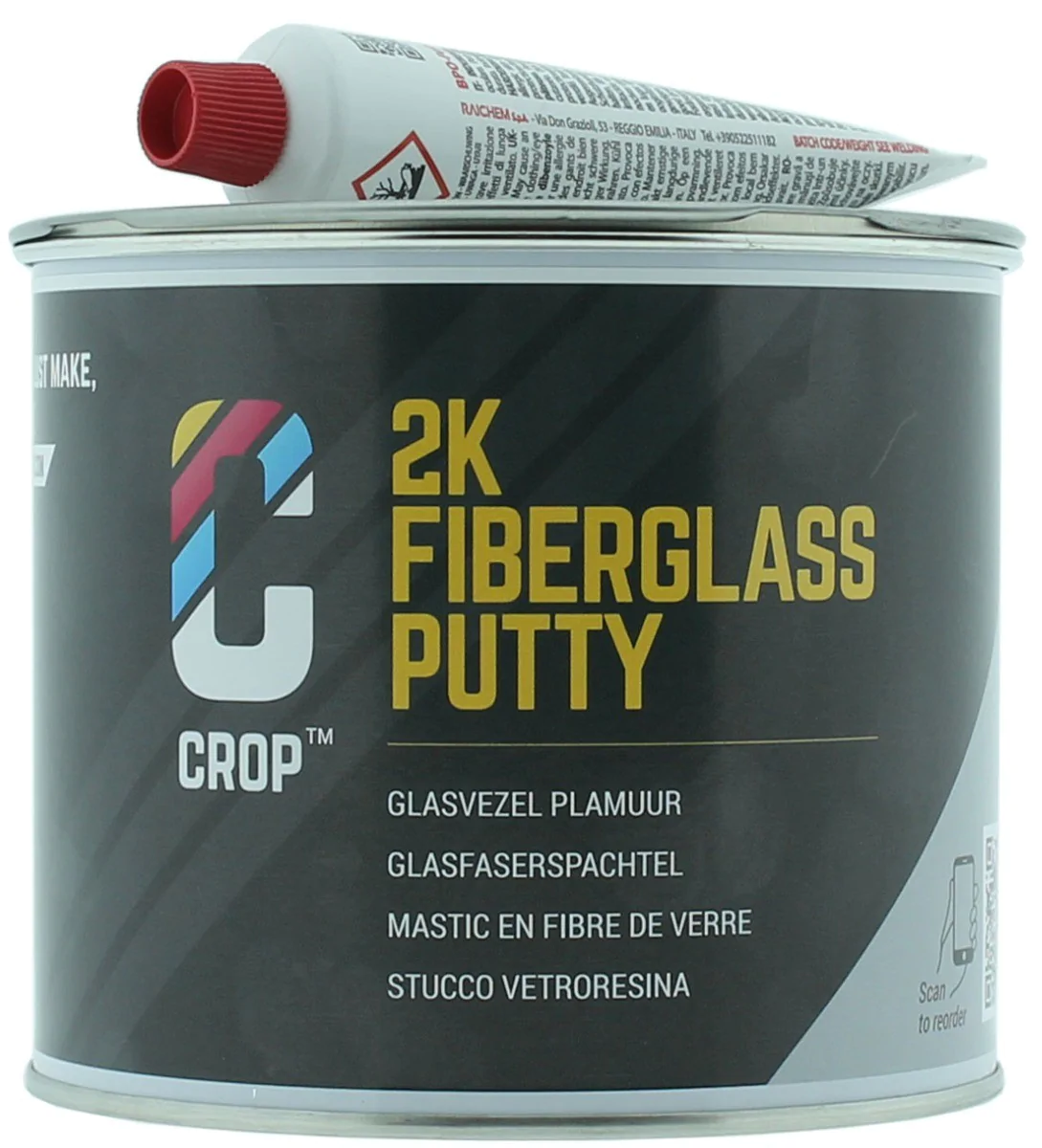
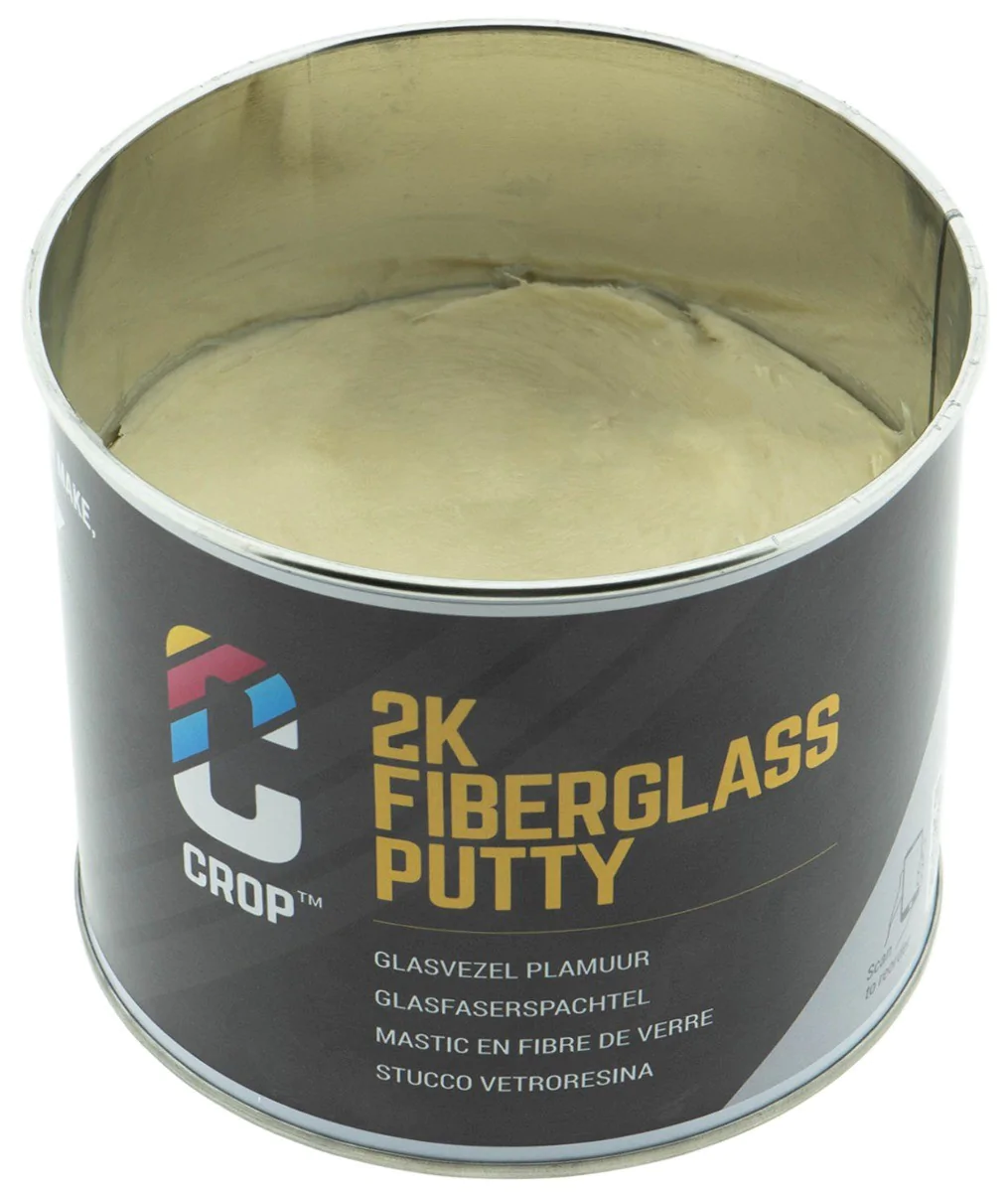
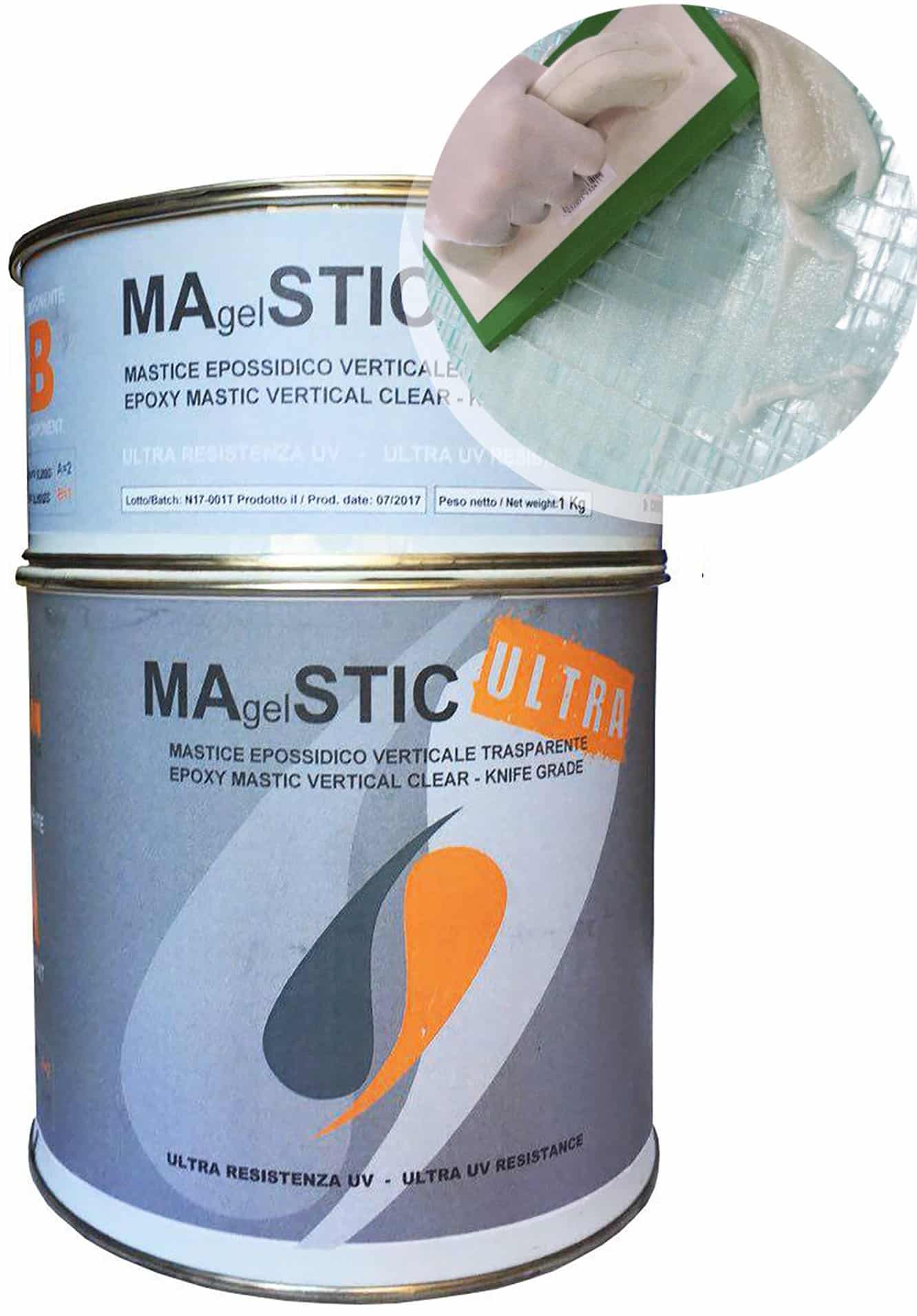
Modern silicone-free putties like “Magelstick” Epoxy Mastic are engineered for minimal shrinkage. Its two-component epoxy formulation keeps the product stable during curing, helping maintain a smooth, level surface. For users working with metals or fibreglass, CROP 2K Fiberglass Putty also offers an effective silicone-free alternative, allowing thick applications and a sandable finish.
- Epoxy-based mastics and polyester putties typically offer lower shrinkage than traditional fillers.
- Proper mixing and application ensure best results—always follow the manufacturer’s instructions for compatibility and curing conditions.
When This Matters Most
Prioritising minimal shrinkage is particularly important if you’re restoring visible surfaces—such as stone, wood, or car panels—or making structural repairs that need to stay level over time. It’s also vital for projects that will be painted or coated, as any shrinkage can show through final finishes.
Related products
Related guides
Choosing the right silicone-free putty with minimal shrinkage ensures both durability and a professional look for your repairs. For more guidance on creating or selecting putty without silicone, explore our main putty-making guide.