 Free shipping on orders over £29,85
  Shipping Tracking!


 Google
 Facebook
← Back to Which resin resists salt corrosion?

Getting the best from your epoxy resin project starts with careful mixing and curing. By taking the right precautions, you can avoid tacky finishes, incomplete hardening and other common pitfalls for a flawless final result.
Accurate Measuring and Mixing
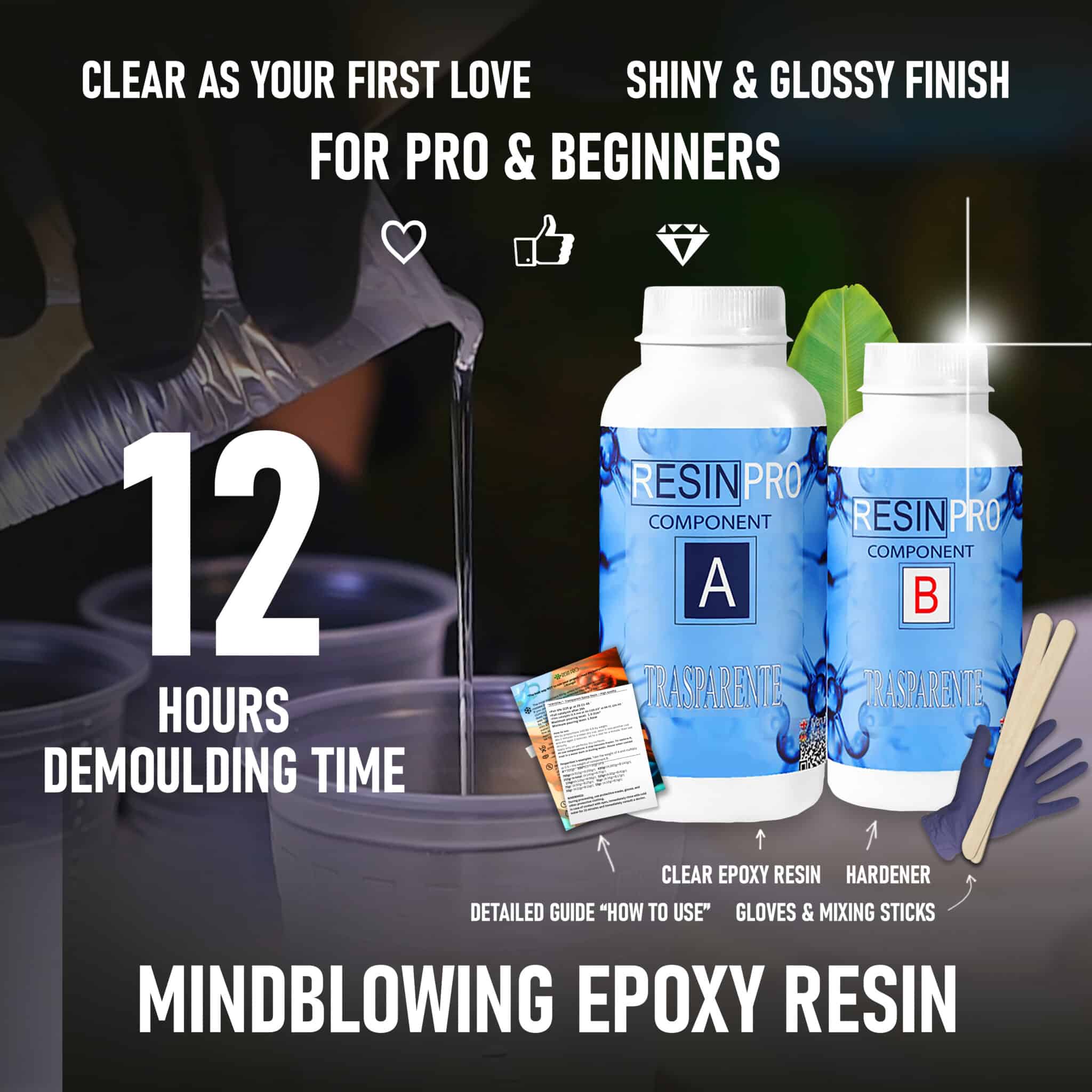
Always follow the manufacturer’s recommended mixing ratios by weight or volume. Deviating from these can result in either a sticky or brittle finish. Use separate measuring containers for resin and hardener, then combine them carefully. For most epoxies like Trasparente, thorough, slow stirring is essential—scrape the sides and bottom of the mixing vessel to ensure a completely uniform blend. Incomplete mixing is a leading cause of curing problems.
Pour Thickness and Surface Preparation
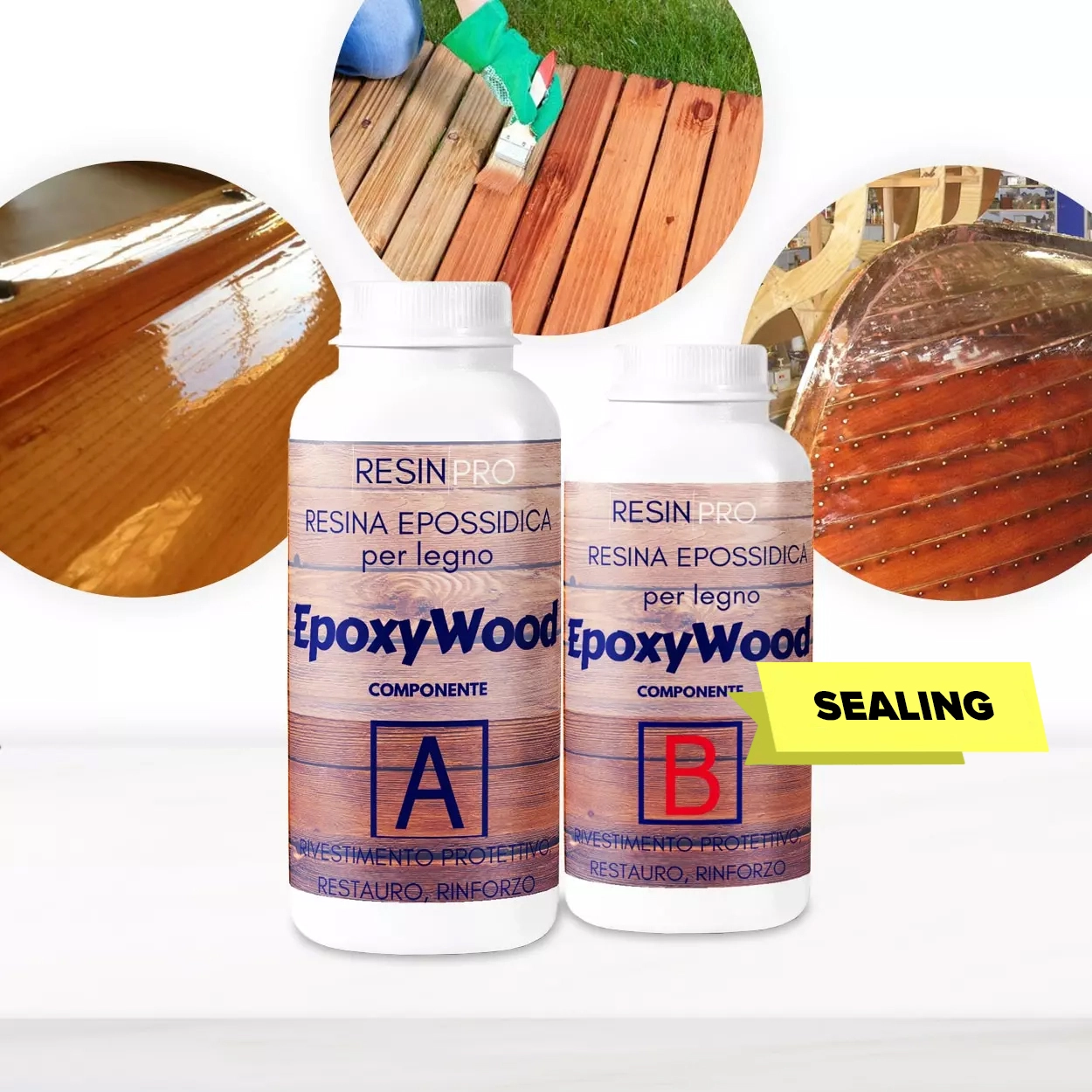
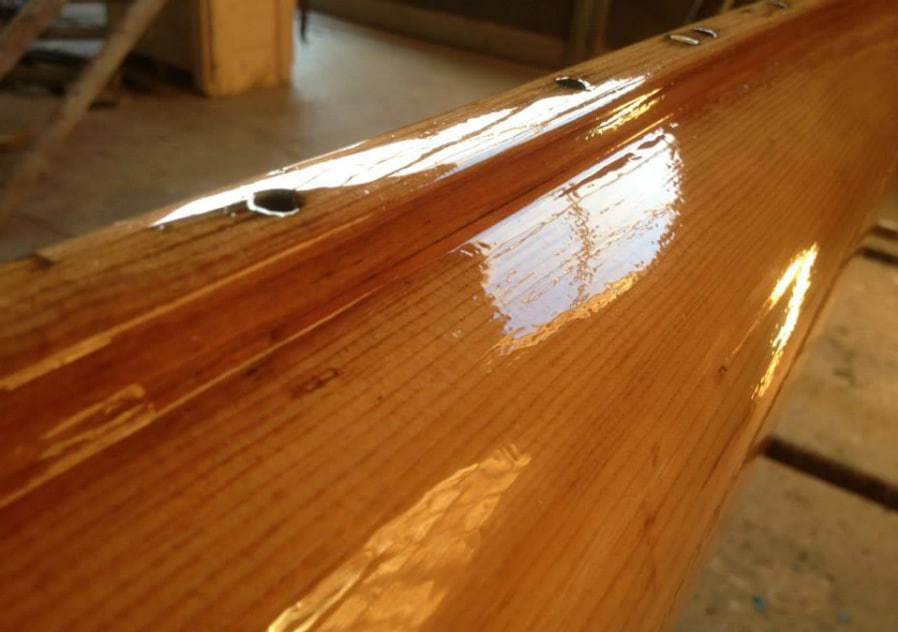
Observe the maximum pour thickness indicated for your resin; for example, Trasparente is suitable for layers up to 2cm. Pouring thicker layers than recommended can lead to overheating or incomplete curing. Make sure all surfaces are dry, clean, and dust-free before application to help the resin cure consistently and bond well. This is especially important for wood restoration projects using products like EpoxyWood.
When This Matters Most
Strict attention to mixing and curing is crucial for artistic castings, furniture coatings, and outdoor repairs—where a compromised cure can mean wasted materials and poor durability. Projects subject to weather or moisture, such as boat repairs or exterior woodwork, particularly benefit from proper resin handling.

Related products
Related guides
Mastering epoxy mixing and curing will help ensure strong, clear, and long-lasting finishes. For broader advice on which resins best resist salt corrosion and outdoor exposure, see our main guide.