 Free shipping on orders over £29,85
  Shipping Tracking!


 Google
 Facebook
← Back to How to create with Erika resin book?
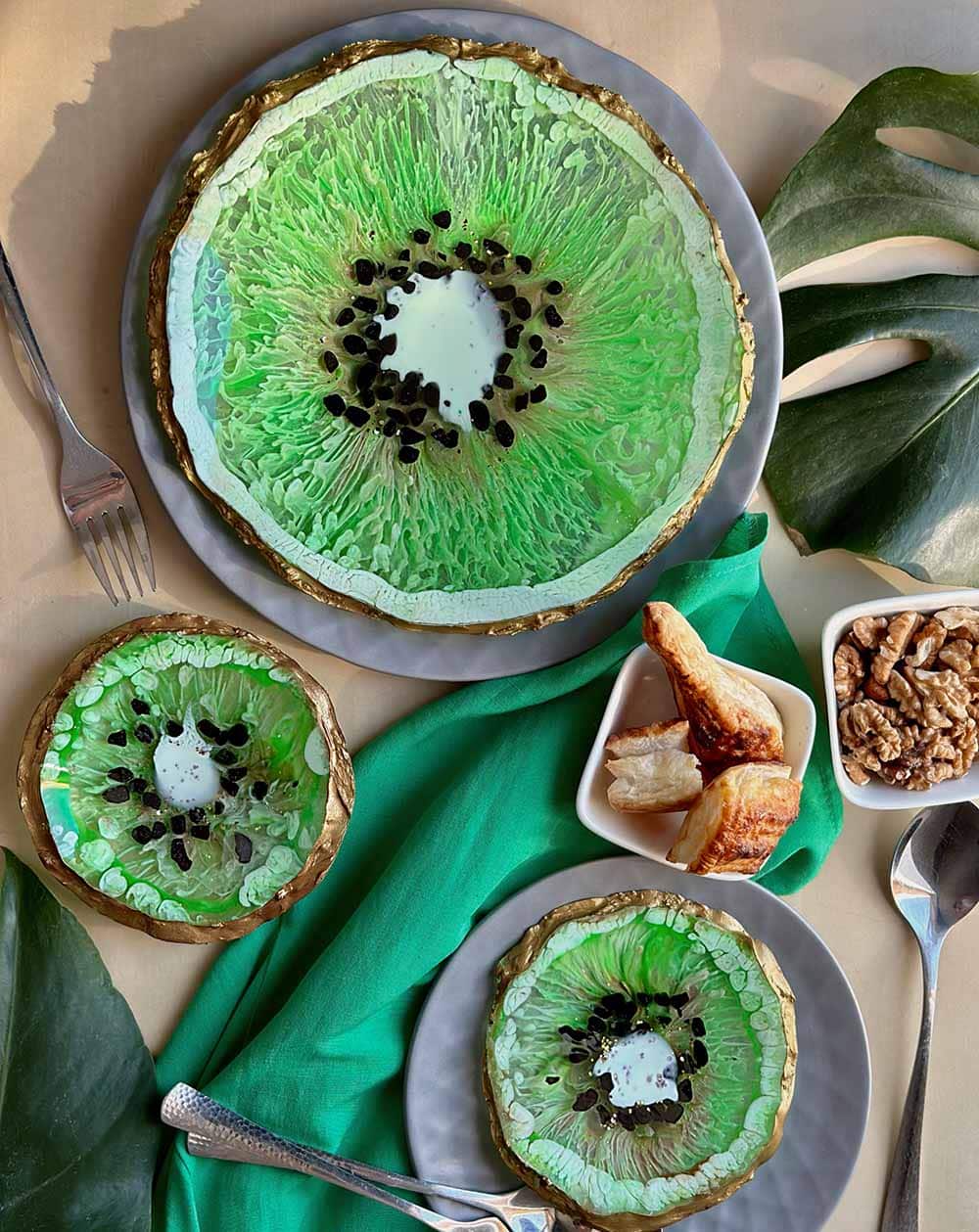
Choosing the right material for your resin art moulds ensures your projects release easily and produce crisp, professional results. Here’s what works well for both hobbyists and experienced resin creators.
Silicone: The Top Choice for Mould Making
Silicone rubber is widely regarded as the leading choice for creating resin art moulds. Its flexibility and non-stick properties make demoulding straightforward while preserving fine details. Whether making coasters, trays or decorative pieces, silicone moulds can be re-used multiple times and handle most epoxy resins without issue.
- Flexible for easy removal
- Retains detail in textured designs
- Resilient for multiple uses
Using Plexiglass and Release Films
For larger mould structures—such as trays, tables or box forms—plexiglass is often combined with an adhesive release film. A glossy release film, such as ‘Shiny Shield’, is applied to prevent the resin from bonding to flat surfaces. This method is popular for making custom, one-off moulds or formwork that can be disassembled after curing.
- Ideal for large or geometric projects
- Allows for bespoke shapes and sizes
- Glossy films help achieve a smooth finish
When this matters: Project scale and repeat use
If you plan on casting the same item many times, a flexible silicone mould is most practical. For unique, one-off pieces like tables or large artworks, constructing moulds from plexiglass with a release film is a flexible, customisable solution.
Related products
Related guides
Whatever project you’re planning from the How to create with Erika resin book?, understanding mould materials sets the foundation for successful, creative results time after time.