 Free shipping on orders over £29,85
  Shipping Tracking!


 Google
 Facebook
← Back to How to stop resin from sticking
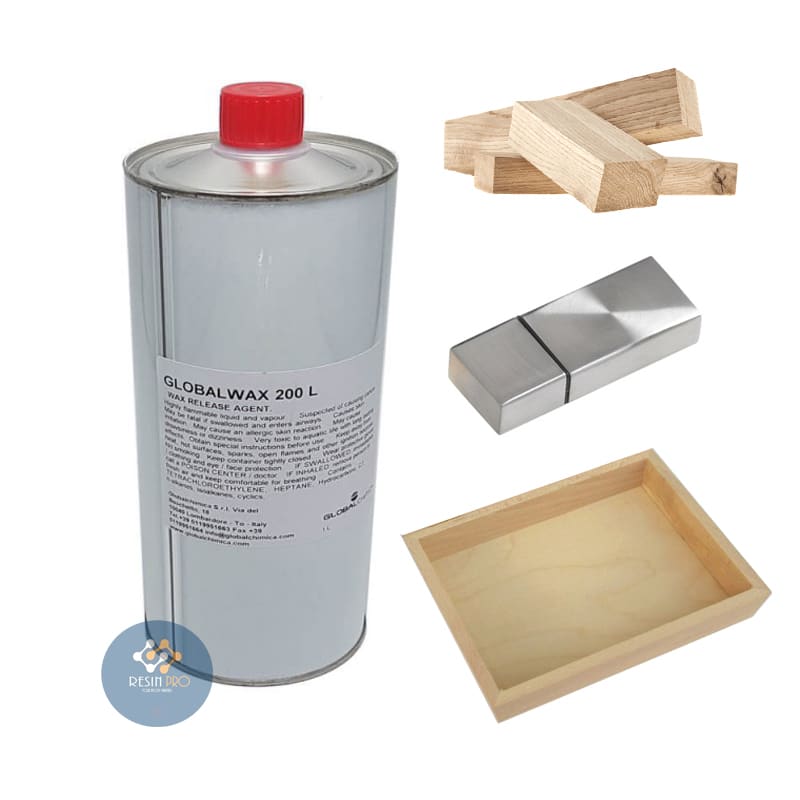
Getting resin to release cleanly from moulds is crucial for a perfect finish—and the right product depends on the material you’re working with. Here’s how to apply release agents across a range of common mould surfaces.
Choosing the Right Release Agent by Surface Type
Moulds can be made from wood, metal, plastic, or even cardboard, each with its own requirements. For maximum versatility, a liquid wax product such as the Global A2 Release Wax forms a fine, wax-based barrier that suits all these materials. Meanwhile, a glossy self-adhesive film, like Shiny Shield, is ideal for lining frames and provides an exceptionally smooth surface for most plastics and woods.
Practical Application Tips
- Wood: Ensure the surface is smooth; apply wax with a soft cloth, let it dry for a few minutes, and buff gently for best coverage.
- Metal: Clean the mould to remove residue before applying a thin, even film of release agent.
- Plastic & Cardboard: Both wax and release films work well. Cut release film to size and press onto the surface, smoothing to avoid air bubbles.
For silicone moulds, a light coat of silicone oil maintains flexibility and ensures a trouble-free release.
When Multi-Surface Application Matters
If you’re experimenting with different mould materials or switching between projects, a release agent that supports multiple surfaces saves time and helps avoid errors. This is especially helpful for workshop settings, educational activities, or small businesses managing varied resin work.
Related products
Related guides
Understanding how to use release agents on different surfaces enables you to tackle diverse resin projects confidently. For more in-depth tips on resin demoulding, visit our full guide on how to stop resin from sticking.