 Free shipping on orders over £29,85
  Shipping Tracking!


 Google
 Facebook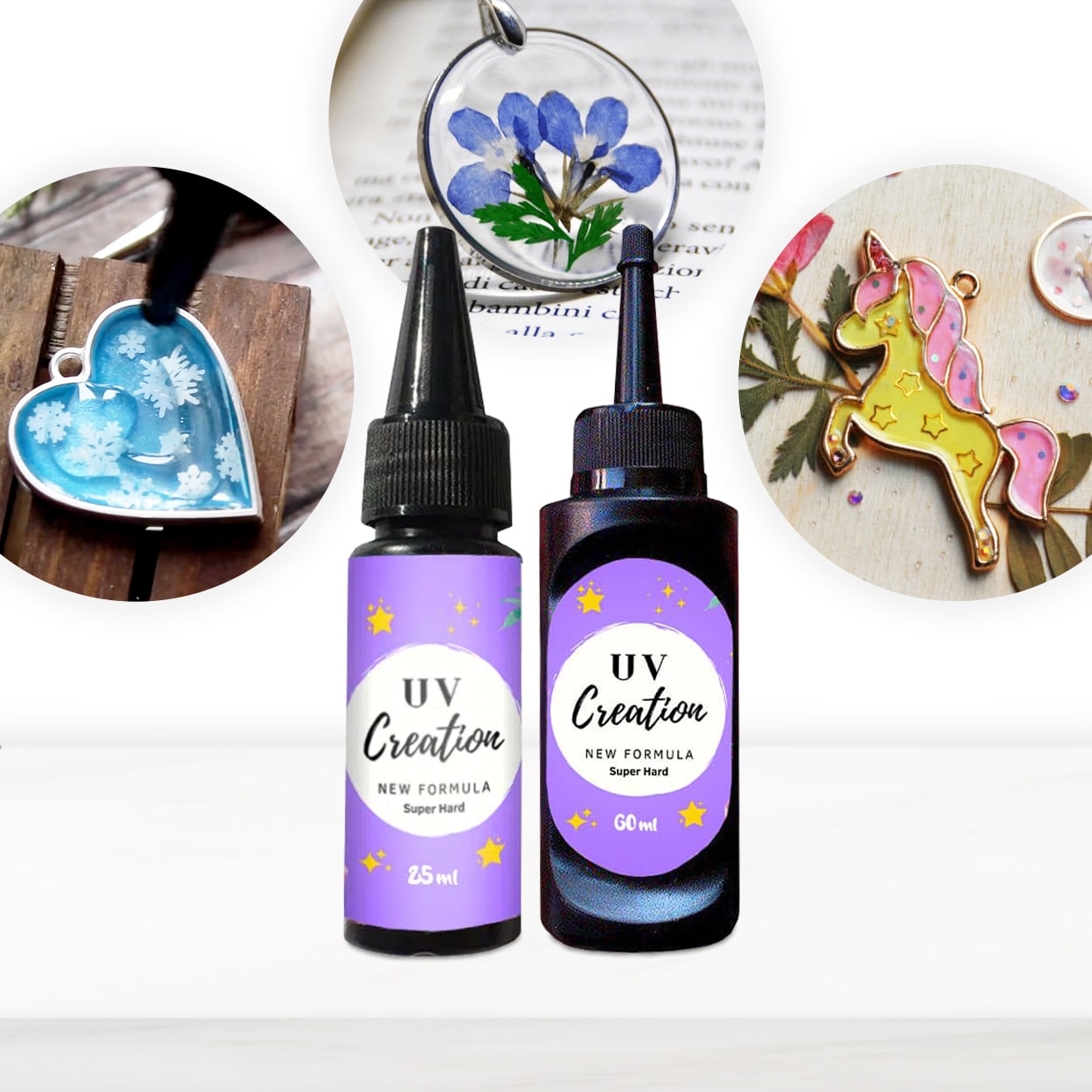
When working with resin, it can be tempting to speed up the drying process with high heat. However, excessive heat is a common cause of defects that can ruin your finished piece.
How Excessive Heat Affects Resin
Applying too much heat when curing resin can result in warping, yellowing, surface distortion or unsightly bubbles trapped within the cast. These defects often occur because high temperatures disrupt the controlled chemical reaction needed for resin to cure evenly. Instead of a flawless finish, you could end up with a cracked, sticky, or irregular piece that is difficult to fix.
For UV-curing resins such as “UV–Creation” Fast Acrylic Resin, the correct use of a UV lamp ensures quick and proper hardening without the risks associated with overheating.
Safe Techniques for Curing Resin
To avoid defects, always follow the resin manufacturer’s guidelines regarding curing time and recommended light or temperature exposure. Epoxy and UV resins each have specific requirements: UV resins typically cure within a few minutes under a suitable UV lamp, while epoxy resins may require hours at room temperature. If bubbles appear on the surface, subtle use of a gas heat gun can help, but keep it moving and avoid lingering on one spot to prevent overheating.
- Apply heat gently and only as directed
- Utilise UV lamps for UV-cured resins
- Cure in thin layers when possible for even results
- Allow plenty of time for natural curing if uncertain
When This Matters Most
Choosing the right curing method is especially important when clarity, finish or structural integrity is crucial—such as when making jewellery or coating 3D prints. In these cases, careful control over heat exposure preserves both the look and the strength of your final piece.
Related products
Related guides
Understanding the risks of excessive heat ensures better results with any resin project. For more advice on safe and effective drying and curing, explore our full guide on how to dry resin.