 Free shipping on orders over £29,85
  Shipping Tracking!


 Google
 Facebook
← Back to Where to buy epoxy resin in Agropoli?

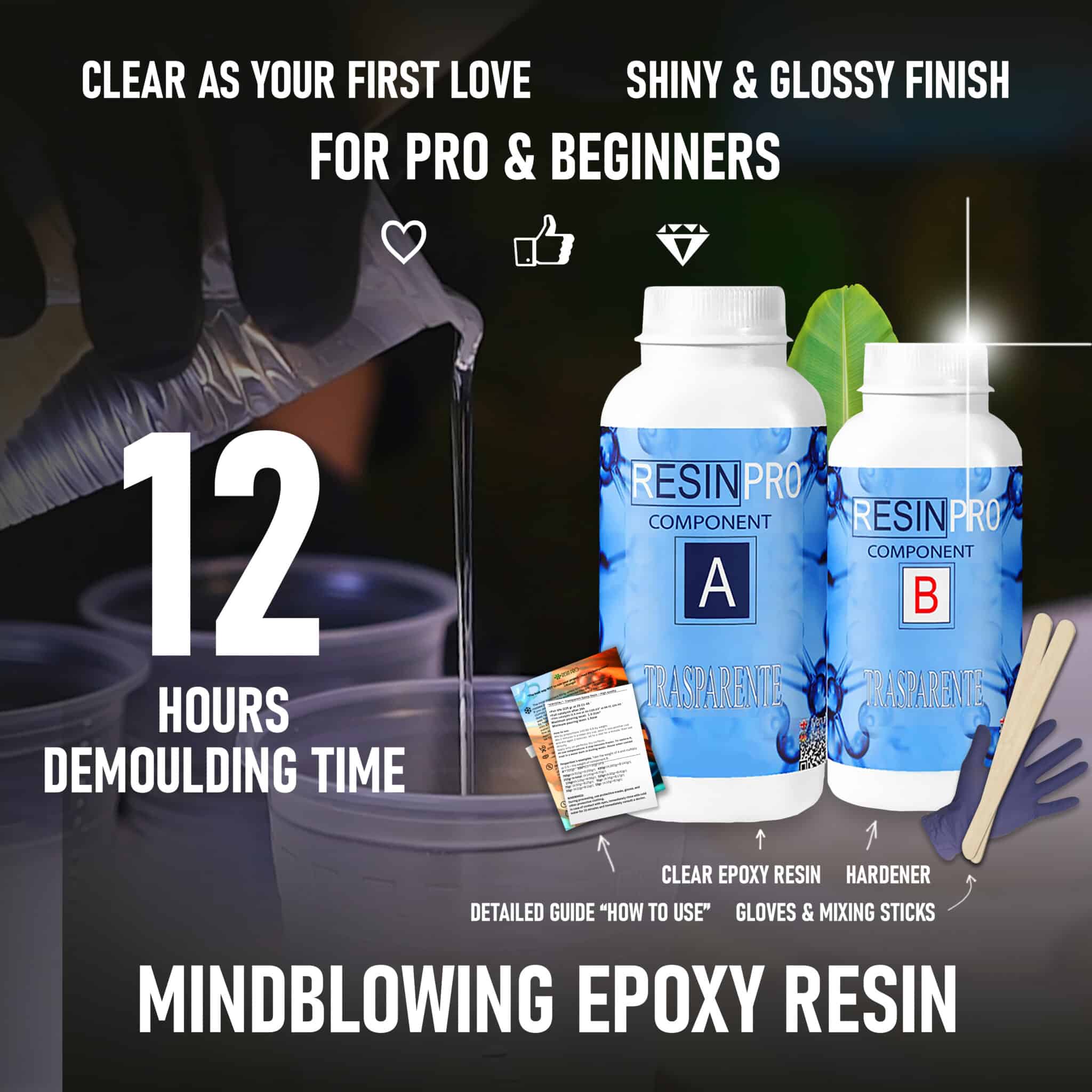
Overheating in epoxy resin cup castings can quickly ruin a project, leading to cracks, discolouration, or a failed cure. Understanding why this happens is key to safe, successful resin pours.
How Epoxy Resin Overheats in Cup Castings
Epoxy resin generates heat (an exothermic reaction) as it cures. In small or confined casts, this heat can rapidly build up for several reasons:
- Poured Thickness: Pouring resin deeper than 2cm in a single go traps heat, increasing the risk of overheating.
- Ambient Temperature: Working in a warm space speeds up the chemical reaction, making overheating more likely.
- External Heat: Using heat guns or other warming tools excessively can hasten curing and push temperatures too high.
If temperature control is ignored, you may notice the resin turns cloudy, yellows, cracks, or even smokes.

How to Prevent Overheating in Cup Pours
For safer, higher-quality results, aim for thinner individual layers—no more than 2cm at a time. Let each layer cool fully before pouring the next. Work in a well-ventilated, cool space away from direct sunlight. Only use a heat gun sparingly to remove bubbles, never to accelerate curing.
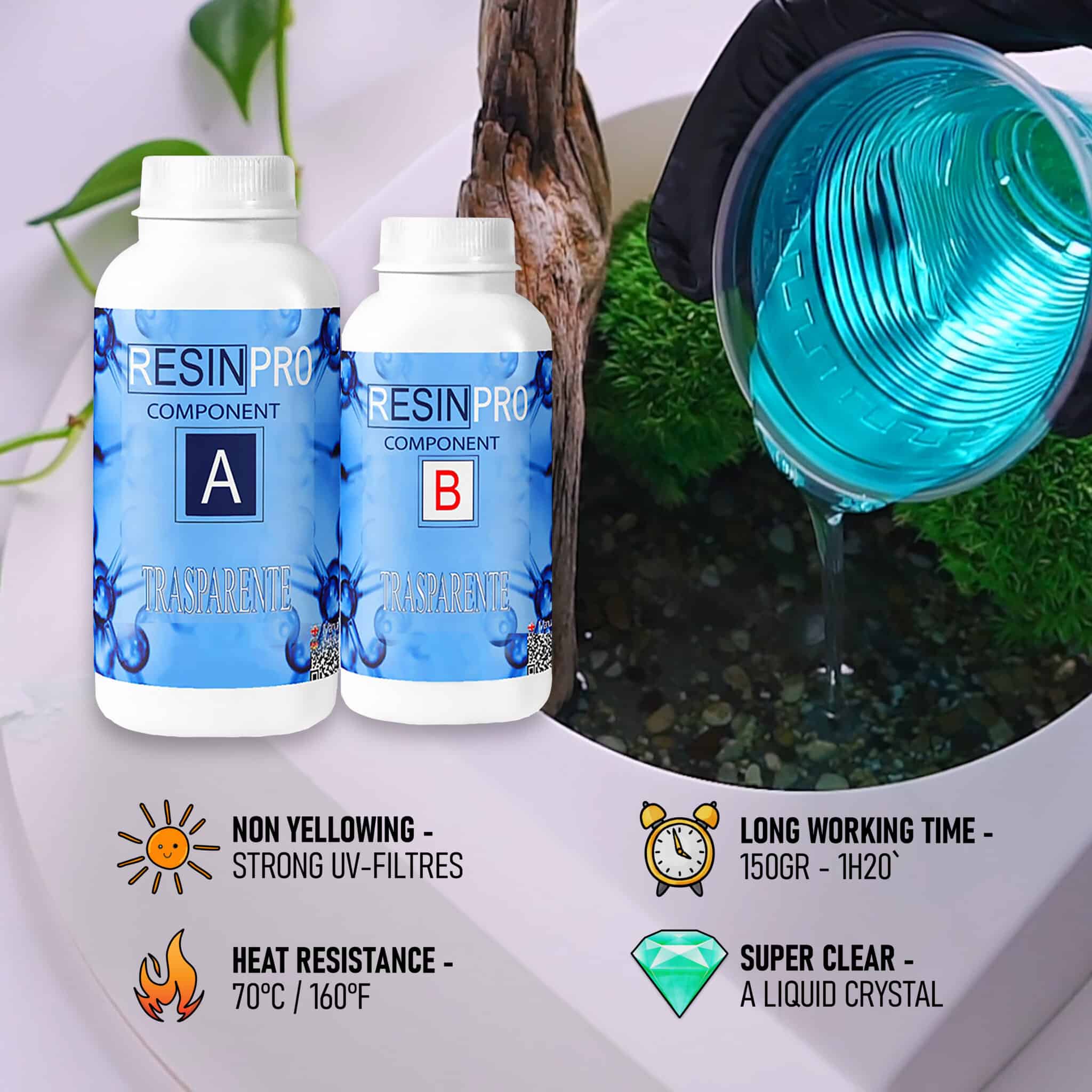
If you need a reliable resin for small pours or embedding, “Trasparente” multipurpose epoxy resin is designed for casting up to 2cm thick, helping you avoid overheating issues with clear and durable results.
When This Matters
Preventing overheating is especially important for crafts, jewellery, or keepsake creations where precision and clarity count. Avoiding excess heat also minimises waste and helps protect your workspace from accidental damage.

Related products
Related guides
Staying mindful of pour depth, ambient conditions, and careful handling is essential for successful epoxy resin casting. For more local advice or to explore suitable options for your next project, visit our hub on where to buy epoxy resin in Agropoli.