 Free shipping on orders over £29,85
  Shipping Tracking!


 Google
 Facebook
← Back to What are epoxy resins?

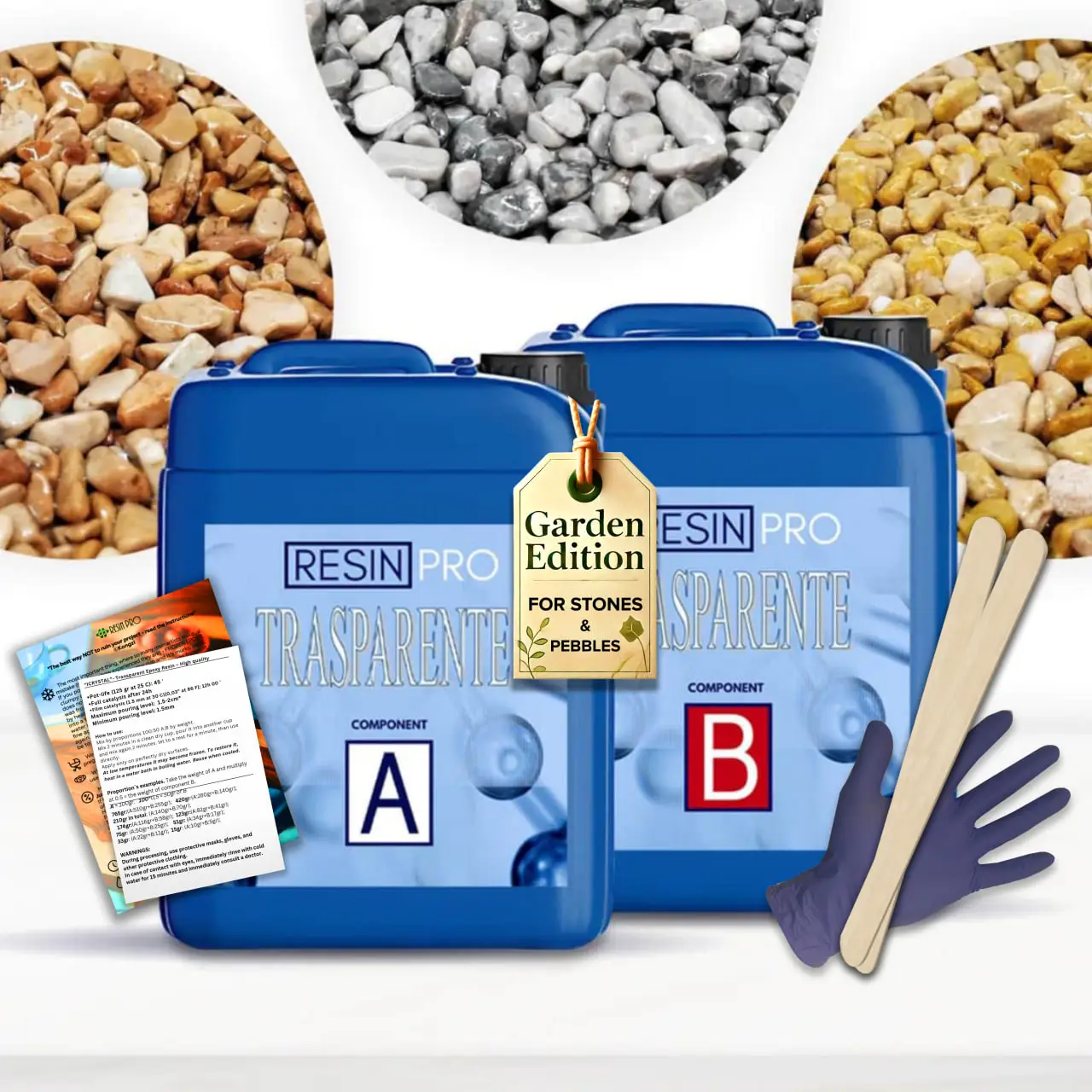
Curing issues and overheating are surprisingly common hurdles when working with epoxy resin, especially for beginners. Understanding what causes these problems is key to achieving smooth, reliable results in your projects.
Common Causes of Faulty Epoxy Curing
Epoxy resin cures through a chemical process that requires precise conditions. If the resin and hardener aren’t measured and mixed according to the recommended ratios, the reaction may not complete properly—leading to tacky, soft, or entirely uncured results. Additionally, each resin product is formulated for a specific maximum layer thickness; pouring layers thicker than advised can trap heat, slow curing, or stall the process altogether.


How Overheating Happens
Epoxy resins generate heat as they cure. Overheating—known as exothermic reaction—can result from pouring resin too thickly, using an incorrect mix ratio, or working in a workspace that is too warm. This not only warps or damages your project but can also make the resin brittle or discoloured. Always pour resin in recommended layer thicknesses (for example, “Trasparente” resin is suitable up to 2 cm per pour) and allow heat to dissipate between layers if needed.
Tips for Reliable Results
- Follow manufacturer guidance for ratio, mixing time, and pour depth.
- Avoid working in high temperatures; cooler environments help control the curing rate.
- Mix thoroughly, ensuring resin and hardener are fully blended before pouring.
- Allow proper curing time between layers if building up depth.

When This Matters
Understanding cure and overheating issues is vital for artists, woodworkers, or DIYers keen to avoid ruined pieces or wasted materials, particularly on detailed or high-value projects where clarity and durability are essential.
Related products
Related guides
Working with epoxy resin can be straightforward once you understand potential curing and overheating issues. Taking some simple precautions helps guarantee great results—learn more about the basics and variety of uses on our main epoxy resin guide.