 Free shipping on orders over £29,85
  Shipping Tracking!


 Google
 Facebook
← Back to How to paint on resin?
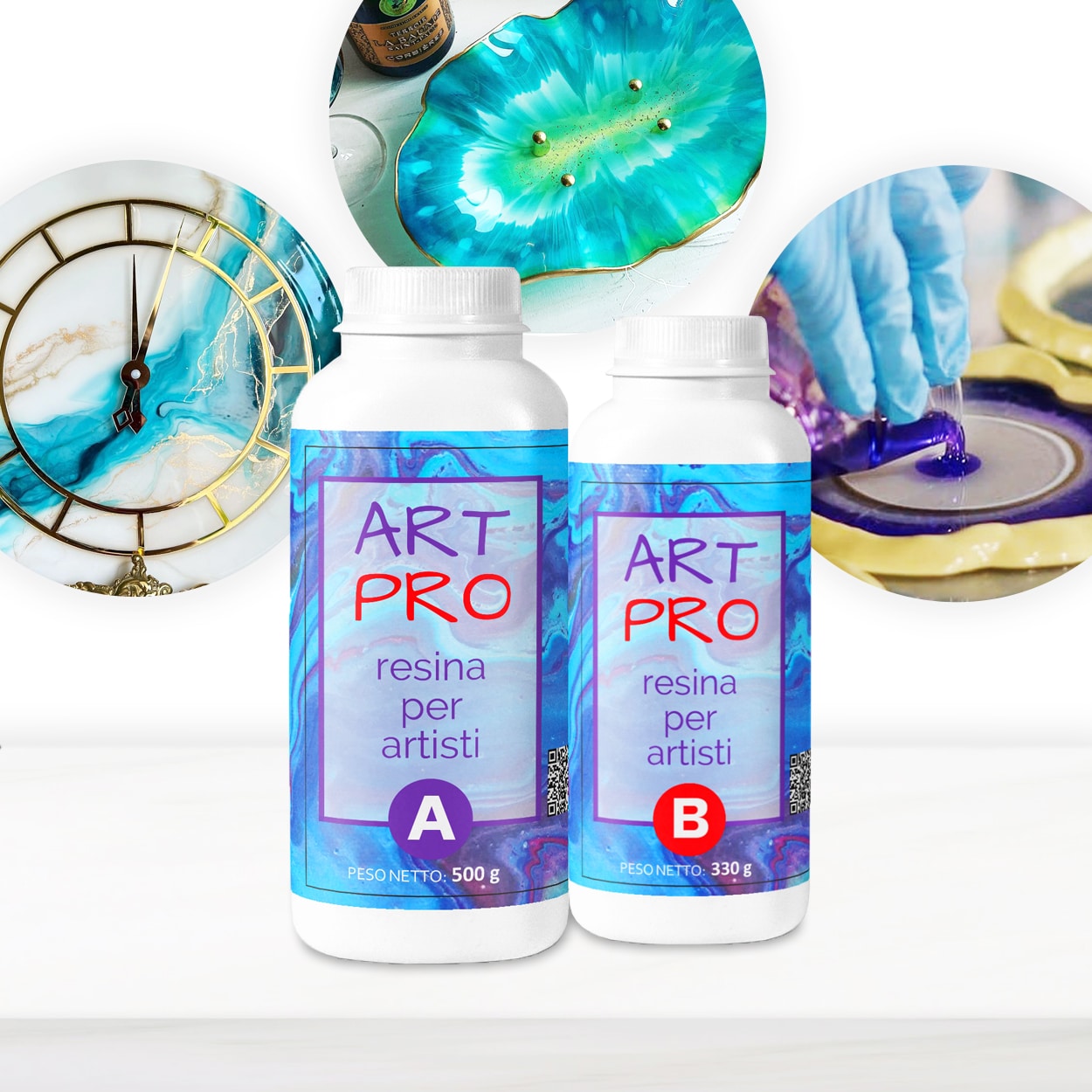

If you’re keen to add painted designs to your resin artwork, timing is everything. Knowing when it’s safe to start painting can make all the difference in achieving vibrant, lasting results on resin surfaces.
Why You Should Wait Until Resin Is Fully Cured
Painting on resin before it cures completely is not recommended. Uncured or partially cured resin remains tacky, which causes paint to adhere unevenly or sink into the surface. This can distort your colours and result in unsatisfactory finishes. Fully cured resin provides a hard, non-porous layer, allowing paint to bond properly and look its best.


How to Tell When Resin Is Ready for Painting
Patience is key—always allow the resin’s full cure time as specified by the manufacturer. For example, products like Art Pro Clear Epoxy Resin may take between 12–24 hours or longer to harden thoroughly, depending on thickness and room temperature. Test by gently pressing a gloved finger on the surface; if it’s firm, smooth, and not sticky, it’s ready for your artwork.
Practical Tips for Painting on Resin Surfaces
- Use clean, dust-free resin for smooth application.
- Choose paint types compatible with resin, such as acrylics or specialised resin paints.
- Consider a light sanding with fine-grit paper to help paint grip, but always wipe away residue before starting.
- Apply paint with quality tools, such as a synthetic bristle brush set, to achieve fine detail or broad effects.

When Does This Matter Most?
Waiting for full cure is essential when you want crisp, durable painted designs, especially for items that will be handled regularly, like coasters or trays. Overlooking this step can lead to flaking, smudging, or colour bleed over time.
Related products
Related guides
By ensuring your resin is properly cured before painting, you set the stage for vivid and durable artwork. For more detail and inspiration, explore our full guide on how to paint on resin.