 Free shipping on orders over £29,85
  Shipping Tracking!


 Google
 Facebook
← Back to How do you put very thick resin on a countertop?
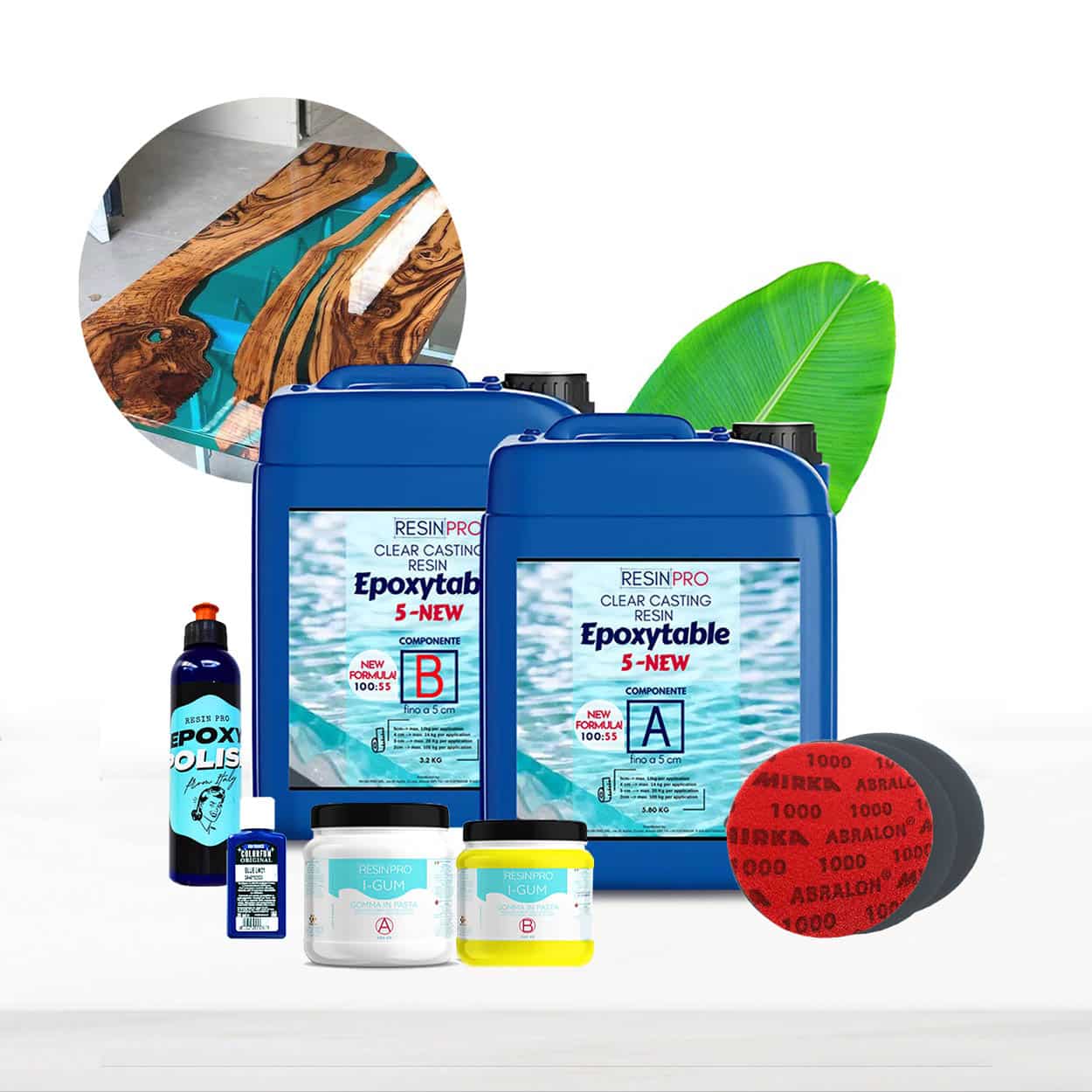
Achieving a flawless, high-gloss finish on resin or plastic projects often relies on selecting the right polishing kit. Specialised creams and pads are crafted specifically for these materials, helping you reveal clear, professional results on surfaces such as countertops and resin tables.
What Makes a Good Polishing Kit for Resin?
Polishing kits designed for plastics and resins typically include a combination of fine polishing creams and a range of abrasive pads. Unlike generic kits, these are formulated to work with softer surfaces and reduce the risk of scratching or hazing your resin piece. For example, the kit found in the River-Table Complete Kit features EpoxyPolish cream and pads across multiple grit levels, allowing you to progress from smoothing to high-gloss with confidence.
Step-by-Step Guide to Polishing Resin Surfaces
- Preparation: Ensure your resin is fully cured and clean of dust and debris.
- Sanding: Start with the coarsest pad (e.g., 360 grit) to remove surface imperfections, gently working your way through finer grits—500, 1000, 2000, 3000, and 4000—to refine the finish.
- Polishing: Apply a small amount of polishing cream to the surface and use a soft pad to bring up the final sheen. Work in a circular motion and avoid excessive pressure to keep the surface clear and even.
- Finishing Touch: Wipe away any residue and inspect the gloss; repeat with a finer pad or more cream if needed for a mirror effect.
When Polishing Kits Matter Most
Polishing kits are invaluable when your aim is to highlight depth and clarity in deep pour resin tables, countertops, or decorative art pieces. Well-polished resin not only looks stunning but is also easier to clean and maintain.
Related products
Related guides
Using a dedicated polishing kit is the key to elevating your resin projects to a professional standard. For guidance on thick resin countertop application and related supplies, explore our main advice on very thick resin for countertops.