 Free shipping on orders over £29,85
  Shipping Tracking!


 Google
 Facebook
← Back to What are synthetic resins derived from?
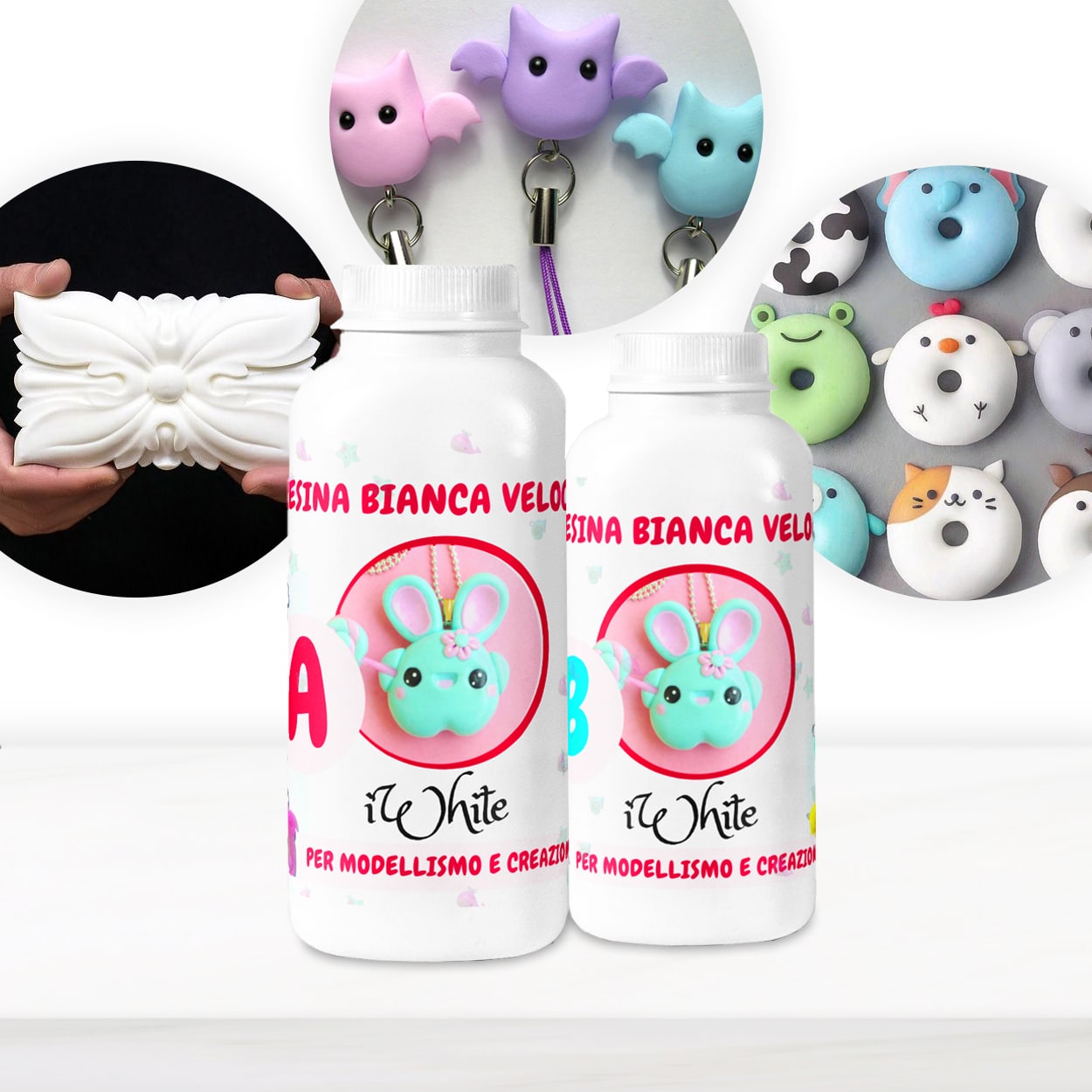

Polyurethane resins are widely used in art, modelling, and manufacturing, offering a balance of speed, detail capture, and versatility. This guide explores their properties and how they differ from other synthetic resin types.
What Are Polyurethane Resins?
Polyurethane resins are synthetic materials created by combining isocyanates and polyols. The resulting two-part system typically cures quickly and forms a durable, solid finish. These resins are especially valued for their ability to replicate fine surface details, making them popular for model making and prototyping tasks.


Practical Applications and Advantages
Polyurethane resins are frequently chosen for projects that require rapid turnaround—such as professional prototyping, small batch manufacturing, and intricate model production. Products like IWhite Polyurethane Casting Resin offer fast setting (typically ready to demould in as little as 30 minutes), excellent fluidity for filling complex moulds, and strong durability once cured. Most are easy to paint or even colour before curing, adding creative flexibility.
Buying and Usage Guidance
- Mixing: Follow recommended ratios (often close to 1:1 by weight), ensuring parts A and B are combined thoroughly for best results.
- Working Time: Polyurethane resins usually have a short working time—plan your workflow in advance.
- Temperature Sensitivity: For optimal curing, most products should be used above 8–10°C.
- Colour Options: Some resins, such as IWhite, can be tinted or painted after curing, while others (e.g., Polyform in beige) are best left uncoloured.

When This Matters
Choose polyurethane resin when you need a fast turnaround, accurate reproduction of fine details, or when working on rapid prototyping and small production runs. They are particularly useful for professionals, hobbyists, and artists requiring sturdy cast pieces in minimal time.
Related products
Related guides
Understanding polyurethane resins helps you select the right material for casting, creative, or manufacturing projects. To learn more about how these and other synthetic resins are derived, visit our main synthetic resin guide.