 Free shipping on orders over £29,85
  Shipping Tracking!


 Google
 Facebook
← Back to What material is resin?
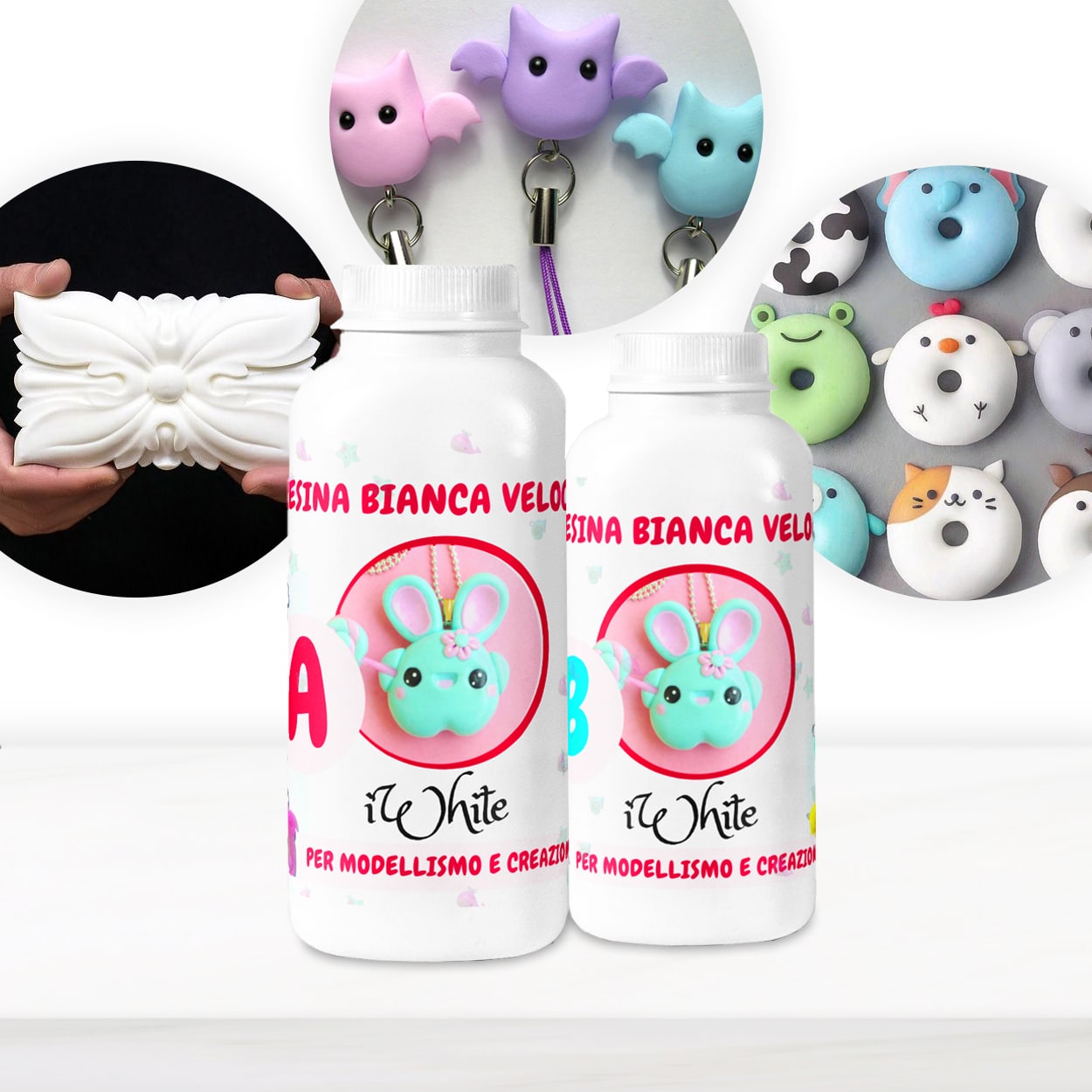
Polyurethane resins are a go-to choice for those needing fast-setting, detail-capturing results in casting and prototyping. Here’s what makes them unique and how to make the most of their rapid working properties.
What Makes Polyurethane Resins Stand Out?
Polyurethane resins cure much more rapidly than most epoxies, often setting within just 30 minutes. Their highly fluid consistency allows them to flow into intricate moulds, capturing fine details with minimal bubbles. These characteristics make them highly popular for professionals and hobbyists alike who value speed and surface precision.
Typical Uses and Practical Guidance
- Fast prototyping, especially for model makers who require quick turnarounds
- Detailed casting of miniatures, charms, or bespoke components
- Any project where crisp details and a smooth finish are essential
To use a polyurethane system like “IWhite” – Polyurethane Casting Resin, simply mix the two components as directed, pour into your prepared mould, and allow it to set. Once cured, the piece can be painted or pigmented to your preference. Always work with care and ensure good ventilation.
When This Matters: Choosing Polyurethane Over Epoxy
Polyurethane resins are especially valuable if your project relies on rapid results or has complex shapes that require excellent flow and surface detail. They outshine epoxy in speed, making them the better pick for production moulds, prototypes, and short-run artistic designs. For longer working times or specific chemical resistance, you might still consider epoxies for suitable applications.
Related products
Related guides
Whether you’re crafting models, creating unique pieces, or needing swift results, polyurethane resins offer a practical solution. To explore how other materials compare, visit our main guide on what material is resin for a broader overview.