 Free shipping on orders over £29,85
  Shipping Tracking!


 Google
 Facebook
← Back to What variables affect catalyst curing time?
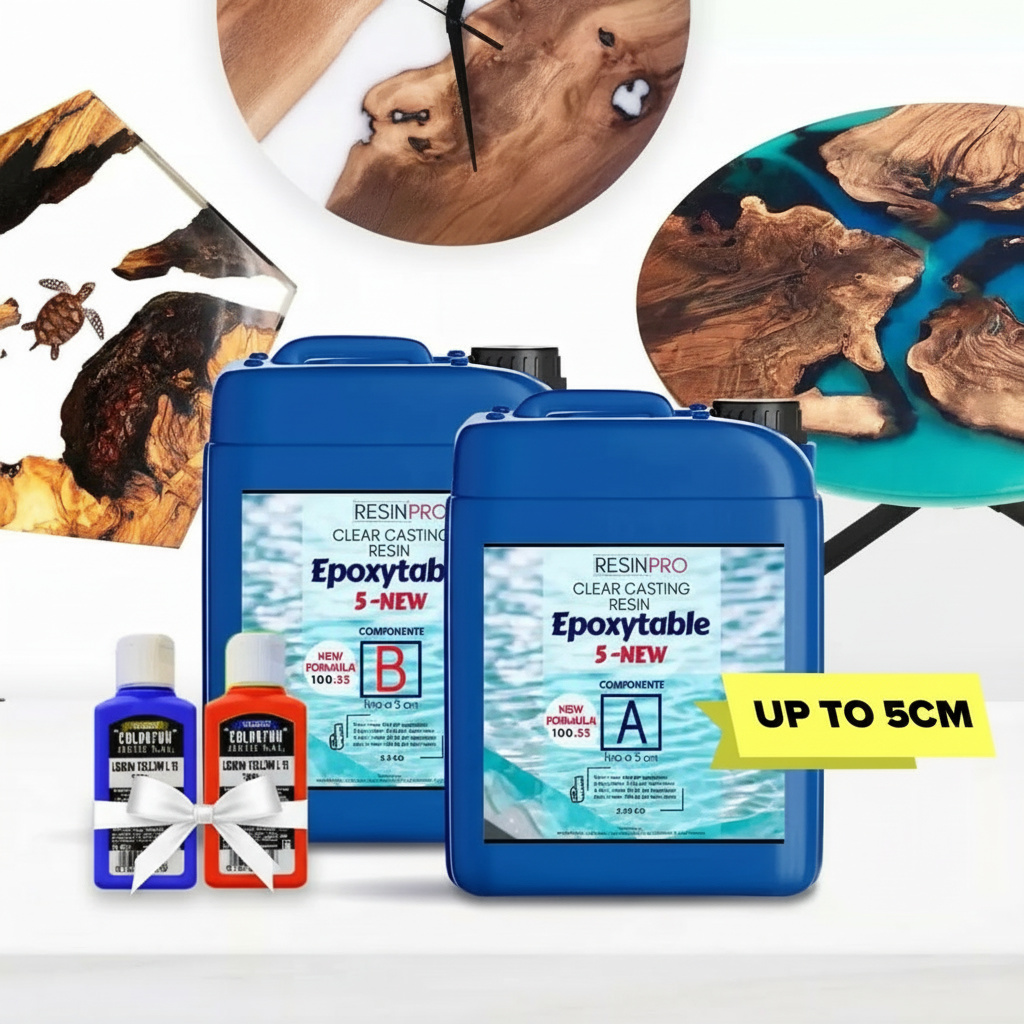
When tackling large resin casting projects like tables or countertops, it’s tempting to pour as much epoxy as possible in one go. However, using EpoxyTable 5-Five resin for layers thicker than 5cm in a single pour raises specific challenges you should be aware of for best results.
Why Layer Thickness Matters in Deep Pour Projects
Pouring too thick a layer of epoxy—over 5cm—with EpoxyTable 5-Five can lead to overheating, incomplete curing, or even warping and distortion. This resin is specially designed for pour depths between 2 and 5cm per layer. Exceeding that can cause a rapid build-up of heat inside the mass, resulting in potential defects or a compromised finish. For safe, crystal-clear results, always respect the manufacturer’s recommended maximum pour depth.
Practical Tips for Multi-Layer Casting
If your project requires a total thickness above 5cm or weighs more than 8kg per layer, cast the resin in multiple stages. Allow each layer to partially set before adding the next—this layering technique helps control heat and ensures strong bonding. Typically, waiting several hours between pours is advisable, but always check the resin’s guidelines for optimal intervals. For projects requiring pours beyond 5cm, consider using an even deeper-casting formula like Epoxytable 10-Ten, which is designed for depths up to 10cm.
When This Matters Most
- River tables and artwork: Large, thick resin projects are especially sensitive to overheating and should always use multi-layer casting.
- DIY tabletops: Following the proper layering method avoids unexpected curing problems and ensures a long-lasting, flawless finish.
Related products
Related guides
By understanding the best approach to thick resin pours, you’ll achieve professional, safe results with your EpoxyTable 5-Five projects. For deeper casting requirements or more advice on resin behaviour, visit our main page on catalyst curing variables.