 Free shipping on orders over £29,85
  Shipping Tracking!


 Google
 Facebook
← Back to What is Epoxy Resin ED and Its Characteristics?

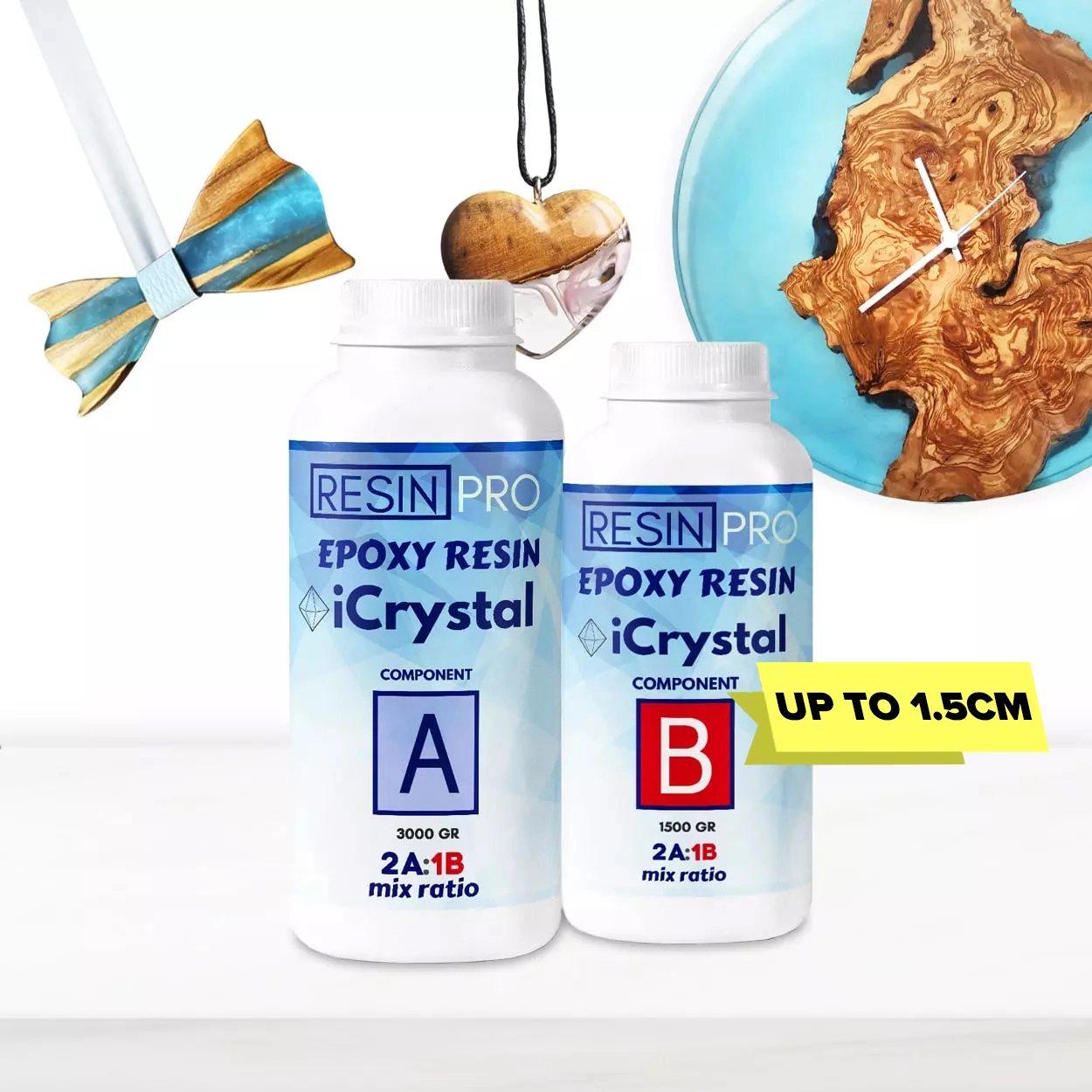
Epoxy resin casting can generate significant heat, especially in thicker applications. Preventing overheating is crucial for clarity, safety, and a successful cure. Here’s how to keep your resin projects trouble-free.
Why Epoxy Resins Overheat
When mixing epoxy resin and hardener, a chemical reaction produces heat. If too much resin is poured at once, especially beyond the recommended thickness, this heat can build up quickly. Overheating may lead to yellowing, cracking, or even dangerous smoking and fuming. The risk rises in warm environments or if heat is applied artificially during curing.


Best Practices for Safe Casting
- Stick to the Maximum Pour Thickness: Always follow manufacturer guidelines—many general casting resins such as “Trasparente” are designed for up to 2cm per layer, while deep-pour products like “Epoxytable 10-Ten” can handle up to 10cm in one pour.
- Layer Carefully: For thicker projects, pour in multiple stages. Allow each layer to cure before adding the next to control heat.
- Avoid External Heat Sources: Don’t use heat guns, torches, or hot water baths during curing, as they can accelerate reactions and trigger overheating.
- Use Suitable Moulds & Environment: Choose moulds with good heat resistance and maintain room temperature as recommended by your resin supplier.
When This Matters Most
Overheating is a real concern for deep pours, large surface projects, or casting in warm weather. Always check your resin’s datasheet before beginning, and select a product that matches your intended pour thickness.

Related products
Related guides
By understanding how epoxy resin reacts during casting and applying the right techniques, you’ll achieve clear, professional results without the pitfalls of overheating. Explore more about safe and effective resin use on our main Epoxy Resin ED and Its Characteristics page.