 Free shipping on orders over £29,85
  Shipping Tracking!


 Google
 Facebook
← Back to How much does it cost to coat a marble staircase with resin?
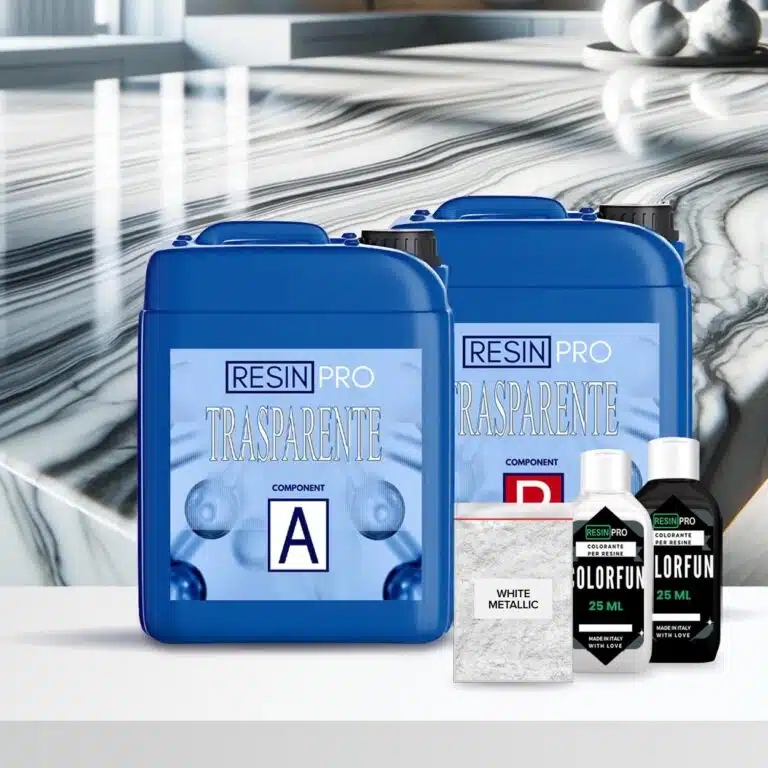
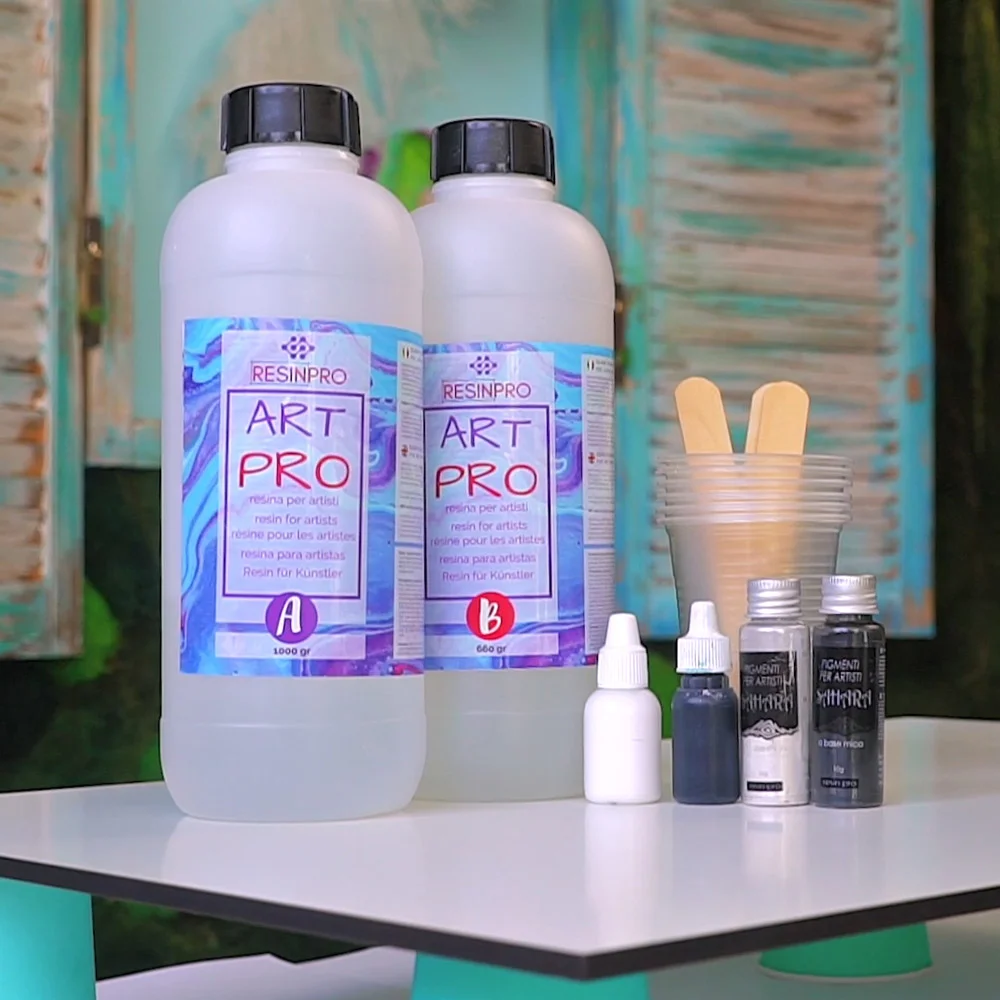
Yellowing is a common concern with resin-coated marble, especially in sunlit areas. By choosing the right products and following a few practical steps, you can preserve your surface’s clarity for years to come.
Selecting a UV-Resistant Resin
Start by choosing an epoxy resin formulated with robust UV protection. Products like the “Trasparente” Epoxy Resin Kit and EpoxyTable 5-Five are designed to resist yellowing by including special UV filters. For marble staircases or decorative panels, these resins deliver a durable, glossy finish while providing peace of mind against discolouration.
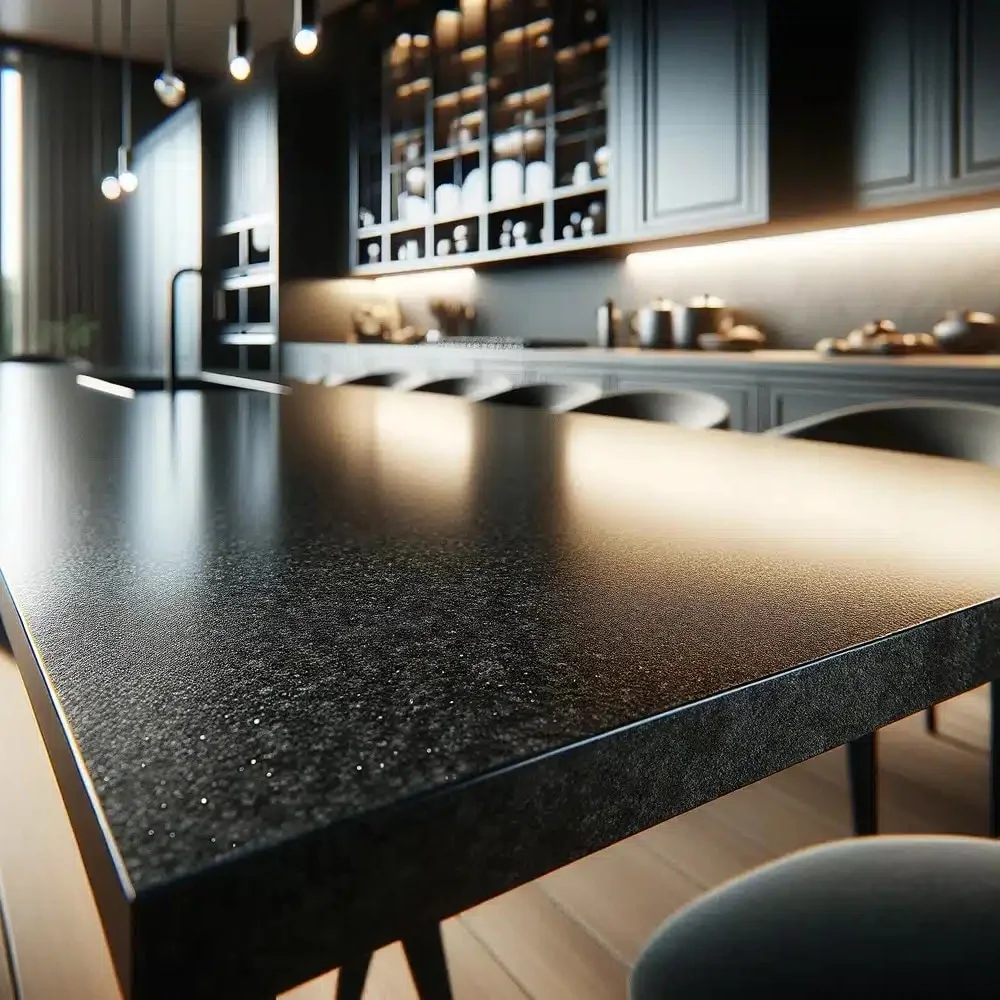
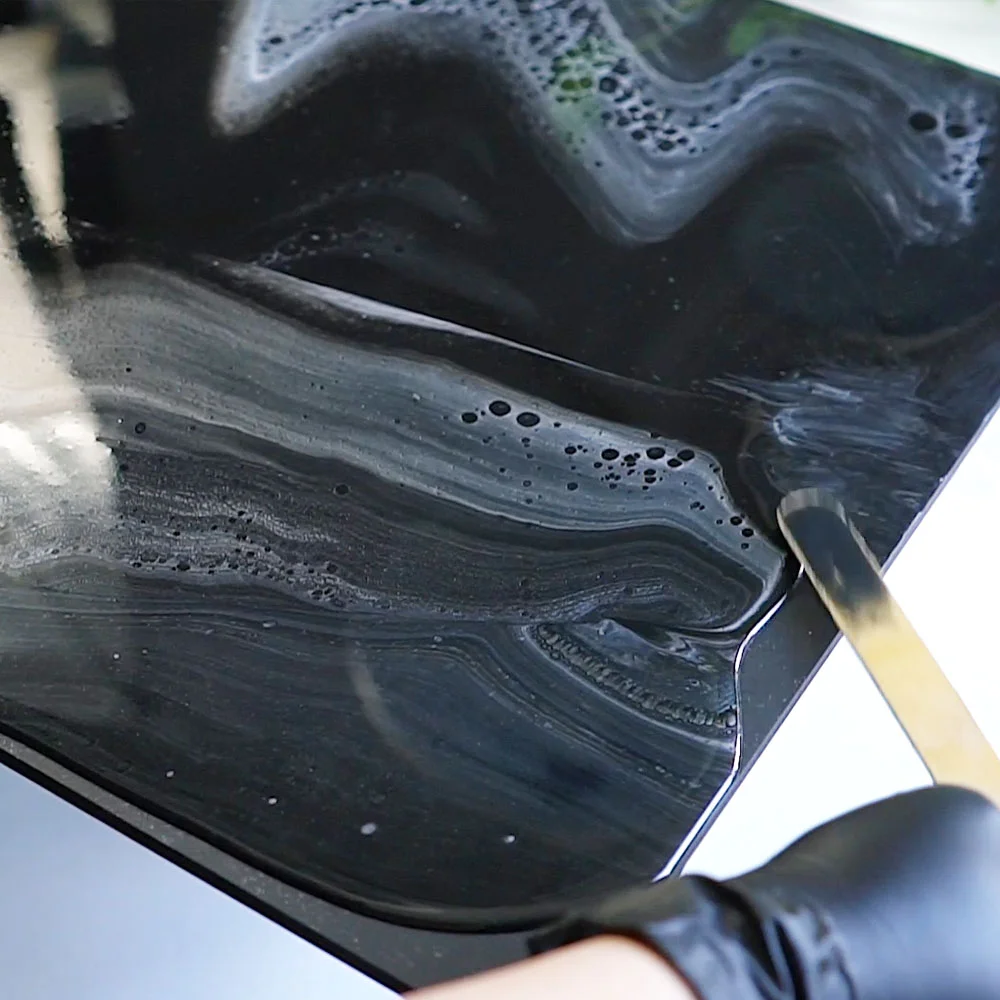
Application Tips for Longevity
To maximise clarity, ensure your workspace and marble surface are clean and free from dust before application. Apply resin in even coats, following the manufacturer’s mixing and curing instructions precisely. Avoid application in direct sunlight, as curing under strong UV can cause premature ageing of the surface.
- Mix resin and hardener thoroughly to avoid soft spots.
- Use a foam roller or brush for smooth, bubble-free application.
- Allow each coat to cure fully before applying subsequent layers.
When This Matters Most
Yellowing prevention is crucial for marble in well-lit spaces, such as staircases or countertops exposed to natural light. Using a resin designed for UV stability is especially important where long-term clarity and aesthetic quality are priorities.
Related products
Related guides
With the right UV-stable resin and careful application, you can maintain the lustre and clarity of your resin-coated marble. If you’re planning a more extensive project, explore products suited for cost-effective coverage and protection on our main guide about coating marble staircases with resin.