 Free shipping on orders over £29,85
  Shipping Tracking!


 Google
 Facebook
← Back to How to Apply Resin in a Shower
For anyone looking to apply resin in a shower area, proper surface preparation is the single most important factor for achieving secure, long-lasting adhesion. Skipping key prep steps can lead to peeling, bubbling or early breakdown of the coating, especially in damp conditions.
Why Is Surface Prep Essential?
Bathrooms and showers expose surfaces to constant moisture, temperature swings, and detergents. Resin needs a dry, stable, and clean foundation to bond tightly—if grime, grease or old coatings are left behind, adhesion suffers. By carefully preparing every surface, you help your resin form a robust, seamless barrier against water ingress and daily wear.
Step-by-Step Guide: Preparing Your Shower Walls
- Clean Thoroughly: Remove soap scum, oils and limescale with a degreasing cleaner. Rinse and let dry fully.
- Check for Soundness: Repair cracks or damaged grout. Resin bonds best to stable, even surfaces.
- Lightly Abrade: Gently sand tiles, cement, or painted surfaces to provide ‘tooth’ for adhesion. Wipe away dust with a damp cloth and allow to dry.
- Prime if Needed: For particularly smooth or non-absorbent areas, apply a suitable primer to promote resin grip.
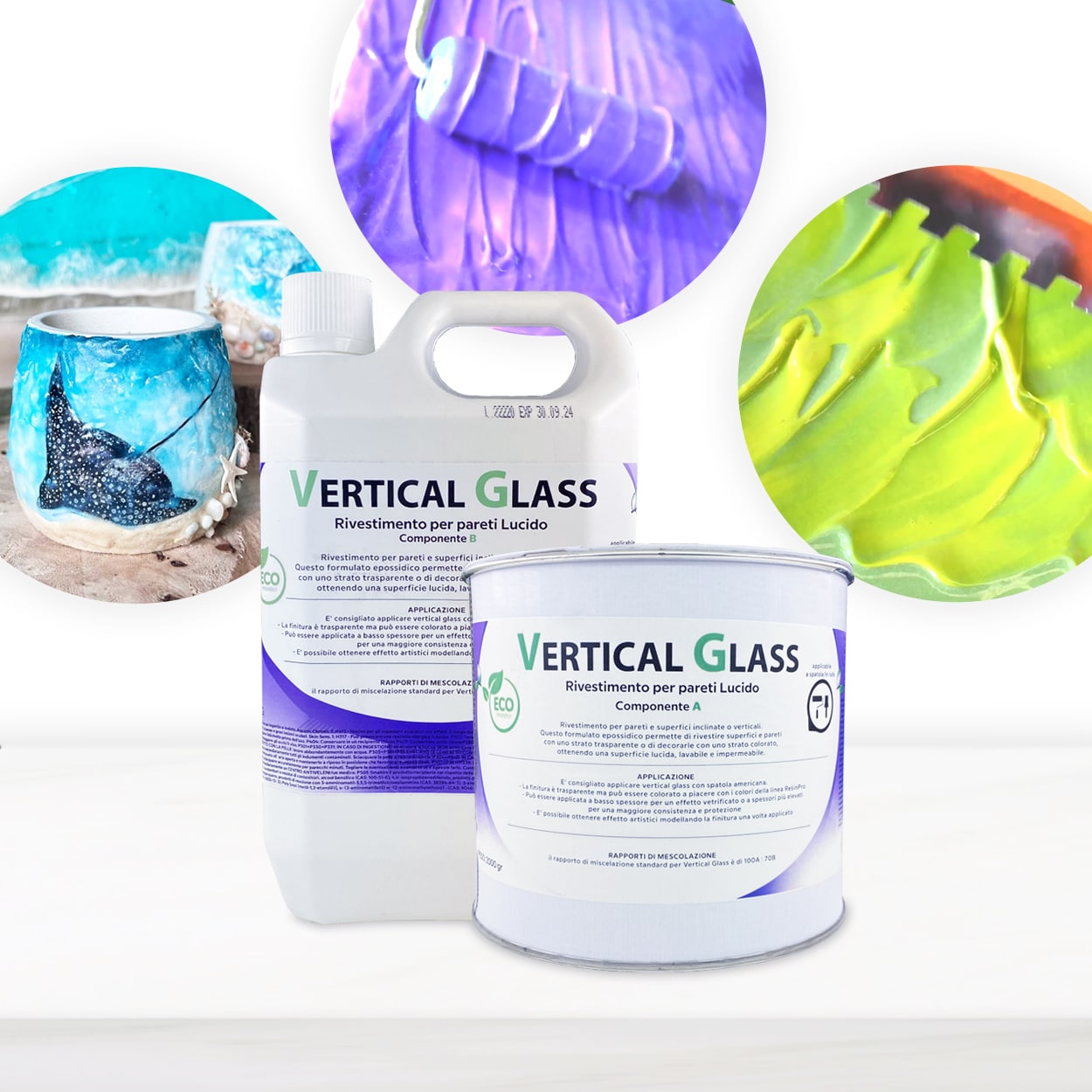
When ready, you can select a wall covering such as “Vertical Glass” resin wall coating, which is designed for easy application on vertical and sloping surfaces, making it ideal for showers.
When This Matters Most
Meticulous preparation is crucial for wet areas, awkward corners, and over old tiles. Showers endure extreme use and humidity, so even minor shortcuts in surface prep can result in rapid coating failure.
Related products
Related guides
Expert preparation sets the foundation for attractive, long-lasting resin work in shower environments. For a full overview of applying resin in your shower, explore our comprehensive guide.