 Free shipping on orders over £29,85
  Shipping Tracking!


 Google
 Facebook
← Back to What is the thermal dissipation factor in resins?

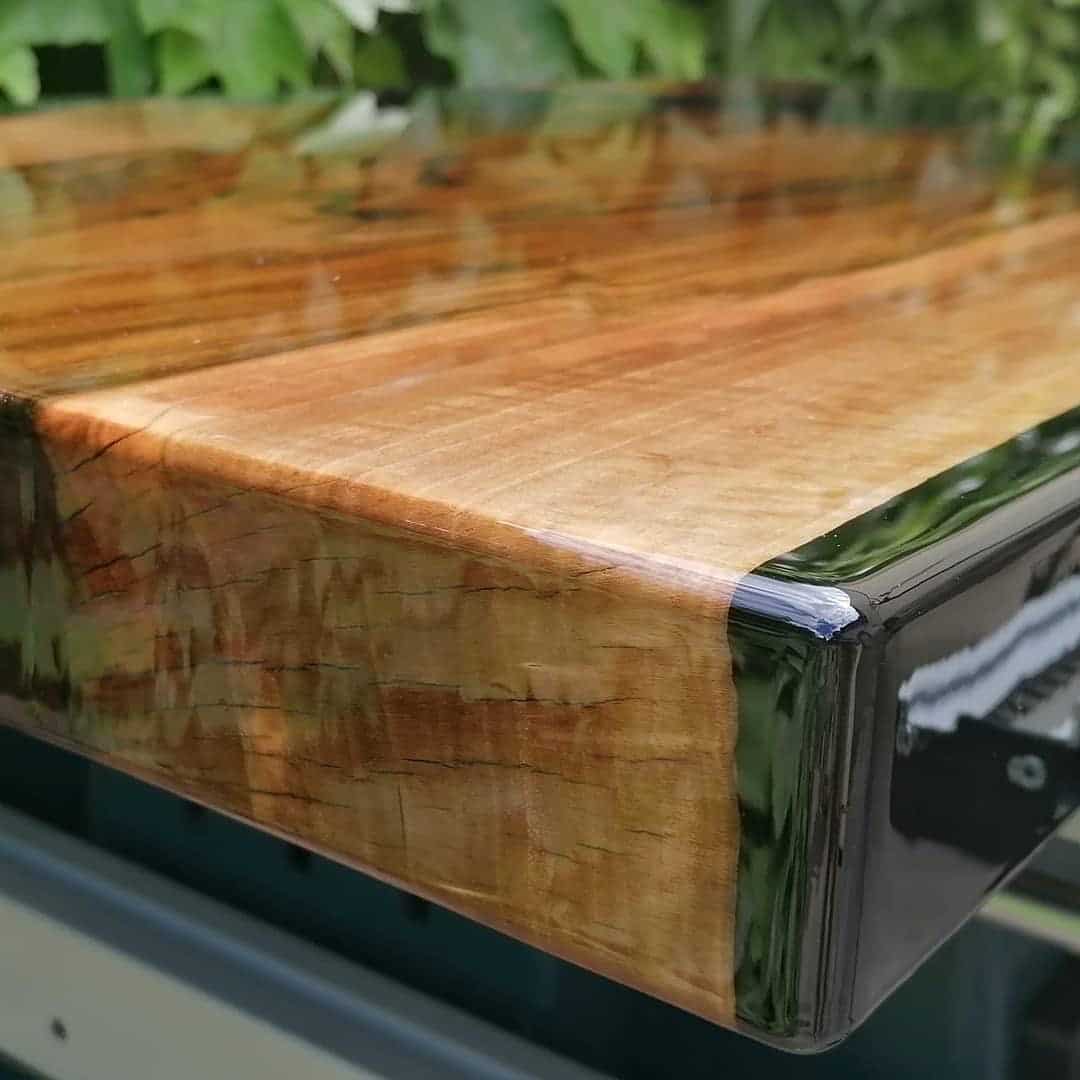
The reaction profile of an epoxy resin describes how the material behaves as it cures, influencing both working time and thermal build-up. Grasping this will help you select the right resin and avoid issues like overheating or incomplete curing in your casting projects.
Why the Reaction Profile Matters
The reaction profile indicates how quickly and intensely a resin generates heat during curing—the exothermic reaction. Thicker pours or larger projects tend to build up more heat, which impacts how deep you can safely cast in a single go. If heat dissipation is not managed, you risk yellowing, cracking, or compromised clarity.
- Slow-curing, low exothermic resins like Epoxytable 10-Ten are designed for deep pours up to 10cm, minimising overheating.
- Medium-depth casts (2–5cm) are typically best served by a resin such as EpoxyTable 5-Five with a controlled curing profile.
- For shallow or detailed projects, a faster-curing formula like Trasparente (up to 2cm) keeps working time manageable.


Choosing the Right Resin for Your Pour
Selection depends on the maximum pour thickness and project size. Deep casting (above 5cm or with sides over 100cm) calls for a resin with low exothermic reaction to prevent heat build-up. Attempting thick pours with standard resins may cause excessive heating, leading to bubbles, warping, or incomplete curing.
- Deep pours (up to 10cm): Use a specialised solution like Epoxytable 10-Ten.
- Medium pours (2–5cm): EpoxyTable 5-Five offers excellent stability for tables and large art pieces.
- Thin layers (under 2cm): Trasparente provides clarity and quick setting for artistic and DIY work.
Always check the manufacturer’s advice on recommended pour depth and layer in stages if near the maximum.
When the Reaction Profile is Especially Important
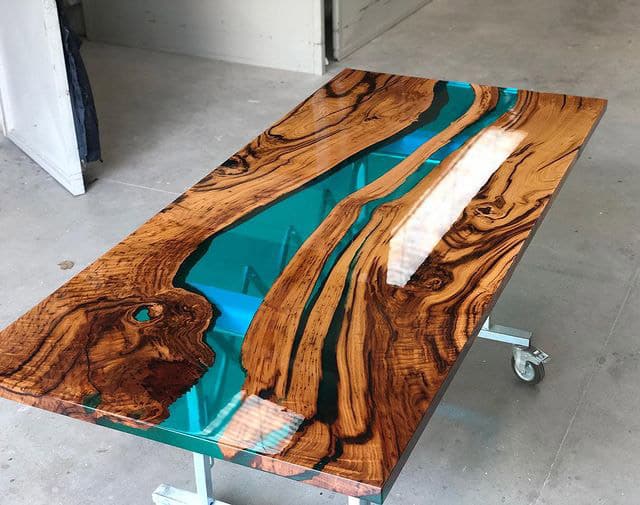
The reaction profile should be a key consideration for any large resin casting—such as river tables, thick art blocks, or embedded objects. In these applications, controlling heat prevents surface distortion, yellowing, and internal flaws, ensuring your work remains stable and clear.
Related products
Related guides
Understanding the reaction profile of your chosen resin allows you to approach casting projects with confidence. To explore how thermal properties affect broader epoxy applications, see our main guide on thermal dissipation in resins.