 Free shipping on orders over £29,85
  Shipping Tracking!


 Google
 Facebook
← Back to What is the catalyst in resin used for?
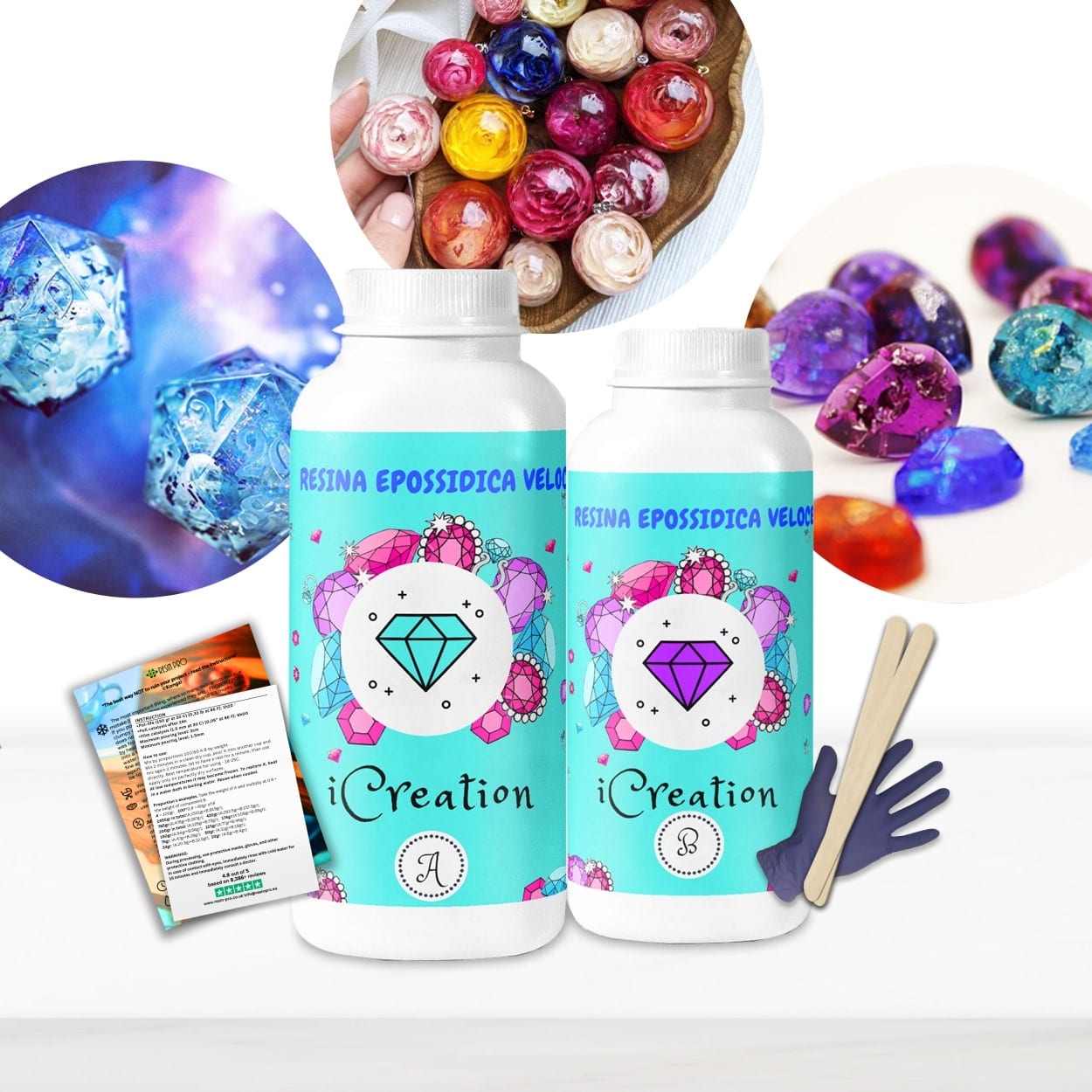
The reaction speed of resin – in other words, how quickly it cures and hardens – is a key factor in many creative and practical projects. Choosing the right set time helps you manage workflow, achieve the desired finish, and avoid common mishaps.
What Affects Resin Reaction Speed?
Resin reaction speed depends mainly on its formula and the ratio of resin to catalyst or hardener. Fast-set epoxies use a more reactive catalyst blend or a higher proportion to accelerate curing, reducing demould and handling time. Environmental factors like room temperature and humidity also play a role – warmer conditions typically lead to quicker curing, while cooler spaces can extend working times.
- Product type: Fast-curing resins incorporate specially formulated catalysts.
- Mix ratio: Correct mixing ensures the intended reaction speed and finish.
- Ambient temperature: Warmer temperatures generally decrease cure time.
Choosing a Fast-Curing Resin
If you need rapid results – such as for jewellery, crafts, or layered projects – a purpose-made fast-setting resin can transform your process. For example, ICreation Fast Epoxy Resin demoulds in just 6 hours, with full cure in 12 to 24 hours. This allows you to complete projects in record time, ideal for small castings, art, or where time is critical. Always follow the recommended mixing ratios for best results and to ensure a clear, strong finish.
When Quick Reaction Speed Matters
Fast-curing resins are invaluable if you need rapid turnaround or want to minimise dust and contamination settling into surfaces during curing. They are also useful for busy workshops and for batch production, helping you keep pace with orders or ideas.
Related products
Related guides
Understanding how resin reaction speed impacts your project allows you to select the optimal product and achieve a perfect result. For more on how catalysts shape resin performance, see our main guide: What is the catalyst in resin used for?