 Free shipping on orders over £29,85
  Shipping Tracking!


 Google
 Facebook
← Back to How to stop resin from sticking
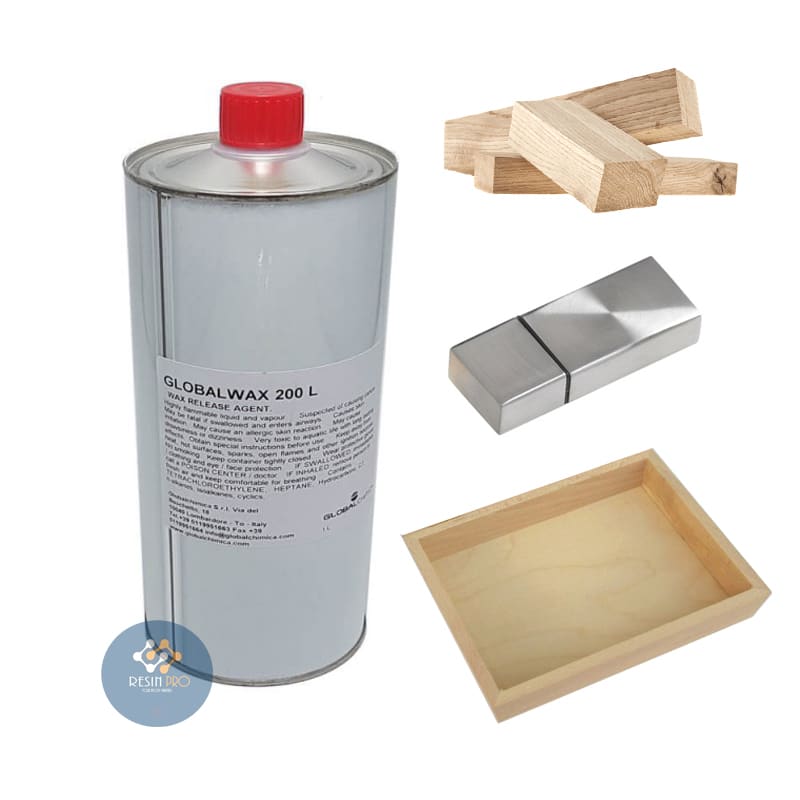
Release products such as waxes, films, and oils are essential in resin casting, helping to avoid the frustration of resin sticking to moulds. But are these solutions universal for any resin type?
Compatibility Across Different Resins
The majority of release agents found on the market are tailored for use with epoxy resin, as it’s the most commonly used in DIY and professional crafts. However, some products, like the Global A2 Release Wax, specifically mention compatibility with polyurethane and acrylic resins as well. Always check the product’s details for supported materials before use, especially if you’re working with less common resin types. Using a release product outside its recommended scope may result in incomplete protection or difficult demoulding.
Choosing the Right Release Solution
Each resin and project can require a slightly different release approach. For example, waxes provide a removable barrier suitable for many hard surfaces. Self-adhesive films like “Shiny Shield” cater well to flat or framed projects and are favoured when a glossy finish is desired. Silicone oils, on the other hand, are perfect for maintaining the flexibility of silicone moulds while aiding release.
- For deep casting or high-temperature pours, ensure the agent can withstand your resin’s curing conditions.
- If using polyurethane or acrylic resins, confirm the product’s suitability as not all agents cover these types.
When This Matters
Compatibility is especially important if you’re working with custom moulds, mixing several resin types, or experimenting with new brands. If in doubt, perform a small patch test on an inconspicuous part of your mould to ensure clean release.
Related products
Related guides
Selecting a release agent that matches your resin type not only protects your moulds but also guarantees easier project completion. For more tips on preventing resin sticking, visit our main guide on how to stop resin from sticking.