 Free shipping on orders over £29,85
  Shipping Tracking!


 Google
 Facebook
← Back to What is Epoxy Resin ED and Its Characteristics?

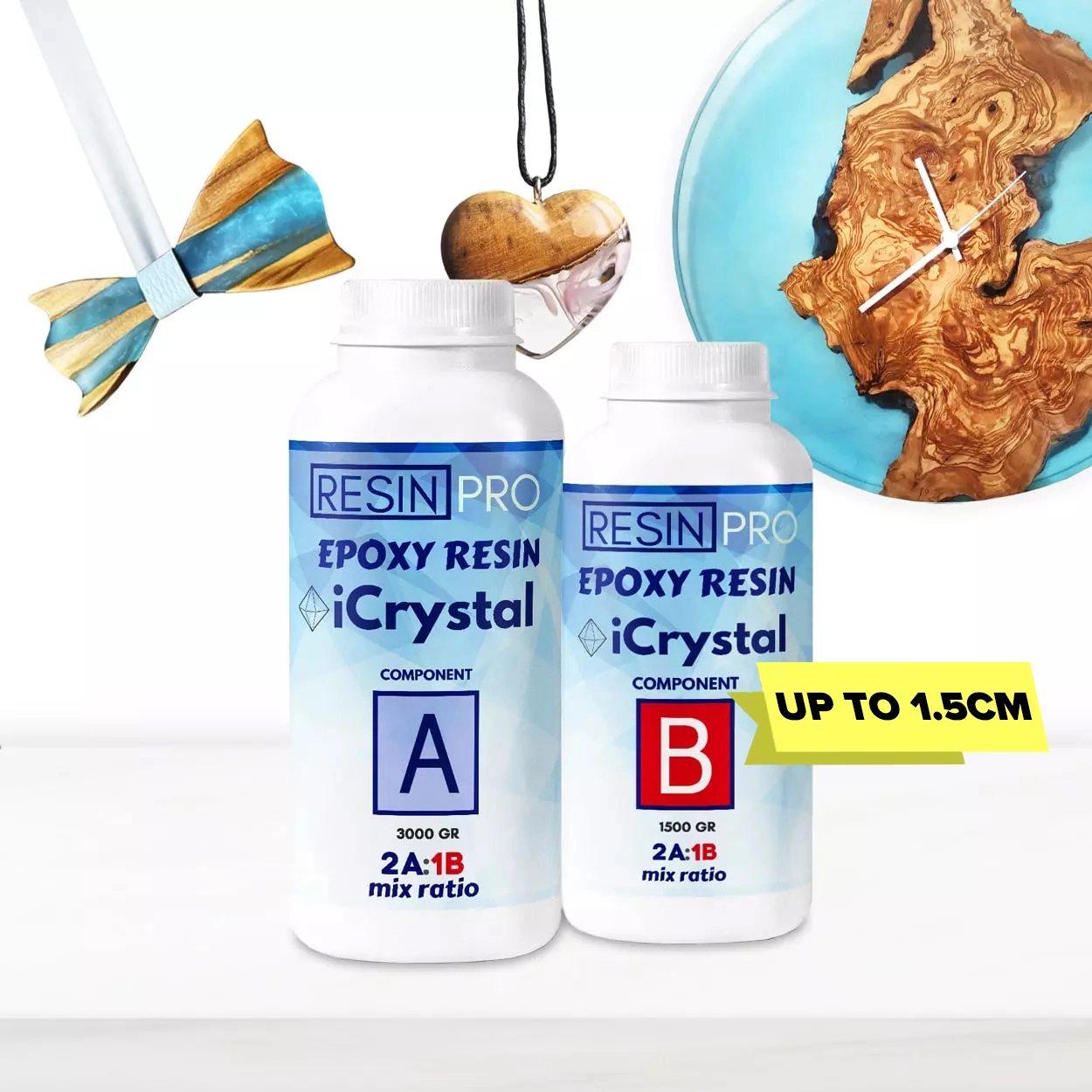
Choosing the right epoxy resin and pour thickness is key for successful casting projects. Each resin type has its own safe maximum thickness for a single pour to avoid overheating and ensure clarity.
Understanding Maximum Pour Thickness
Epoxy resins are designed for different casting depths, depending on their formulation. If you pour too thick a layer, the resin may overheat as it cures, risking cloudiness or cracks. Here are the safe maximum single pour thicknesses for three popular options:
- Icrystal: Up to 1.5cm per layer – best for jewellery, thin coatings, or detailed art.
- Trasparente: Up to 2cm per layer – ideal for small to medium moulds, crafts, and shallow surfaces.
- Epoxytable 10-Ten: Up to 10cm per layer – chosen for large tables and thick castings where greater depth is needed.


Practical Tips for Layered Pouring
For casts requiring greater thickness than a single layer allows, it’s best to work in multiple stages. Allow each layer to partly cure (usually until it is tack-free) before pouring the next. This approach helps maintain clarity and reduces the risk of excessive heat build-up, especially with larger volumes. When working with deep pours, consider using a product tailored for depth such as Epoxytable 10-Ten for the best results.
When Pour Thickness Limits Matter
Maximum pour thickness becomes crucial for river tables, cast sculptures, or projects needing a bubble-free, crystal finish in a single layer. Overpouring with the wrong product can cause curing issues or visual defects—always check the recommended limits before starting your project.

Related products
Related guides
Knowing the proper layer thickness for each epoxy resin helps you achieve flawless results and get the most from your material. For more details on resin types and their unique characteristics, visit our main page on what is Epoxy Resin ED and its characteristics.