 Free shipping on orders over £29,85
  Shipping Tracking!


 Google
 Facebook
← Back to How much epoxy resin is needed to make a table?
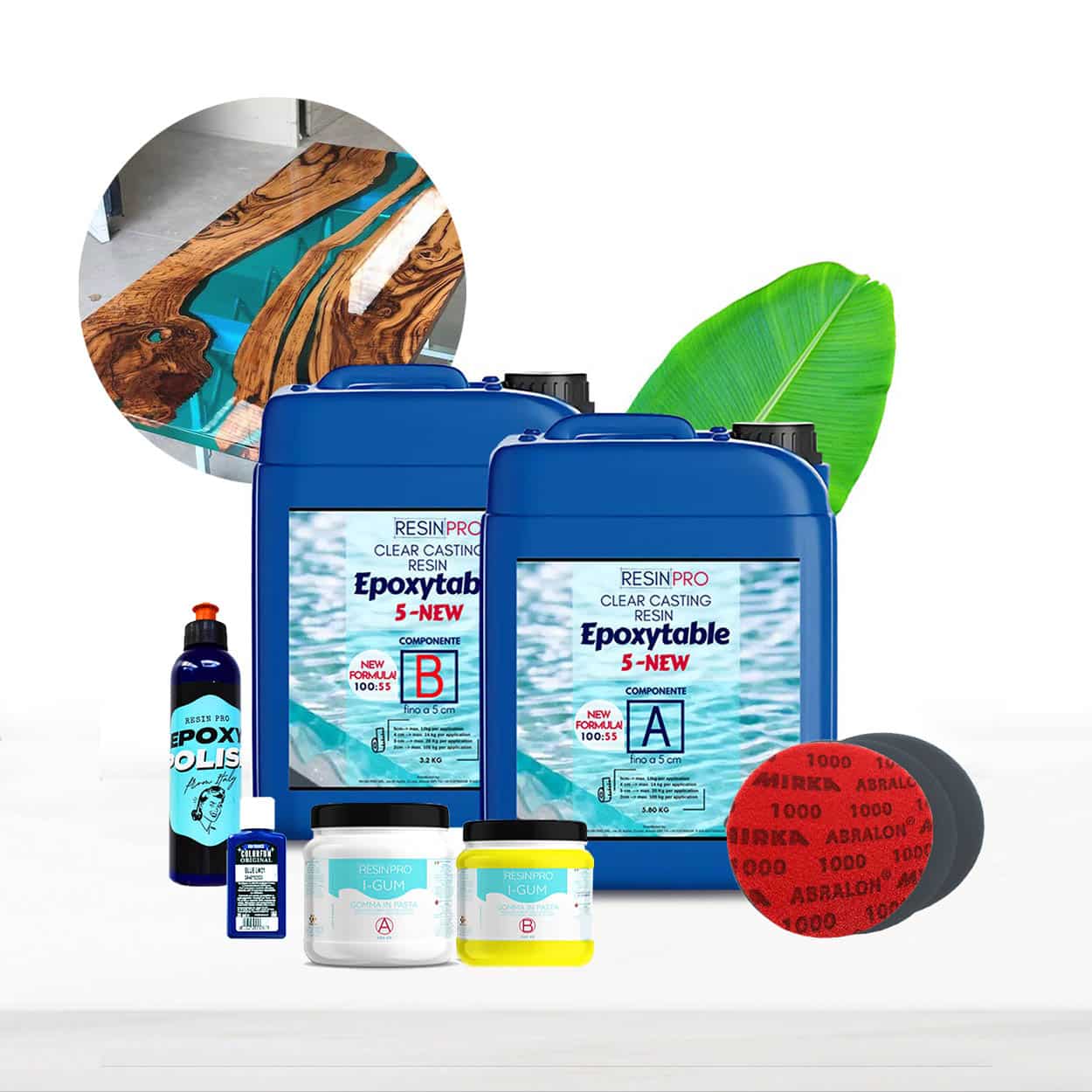
When planning to create an epoxy resin table, the depth of your pour and the overall table size have a direct impact on how much resin you’ll need and which type to use. Understanding these factors helps you achieve a flawless finish and a safe, durable result.
Choosing Resin by Depth
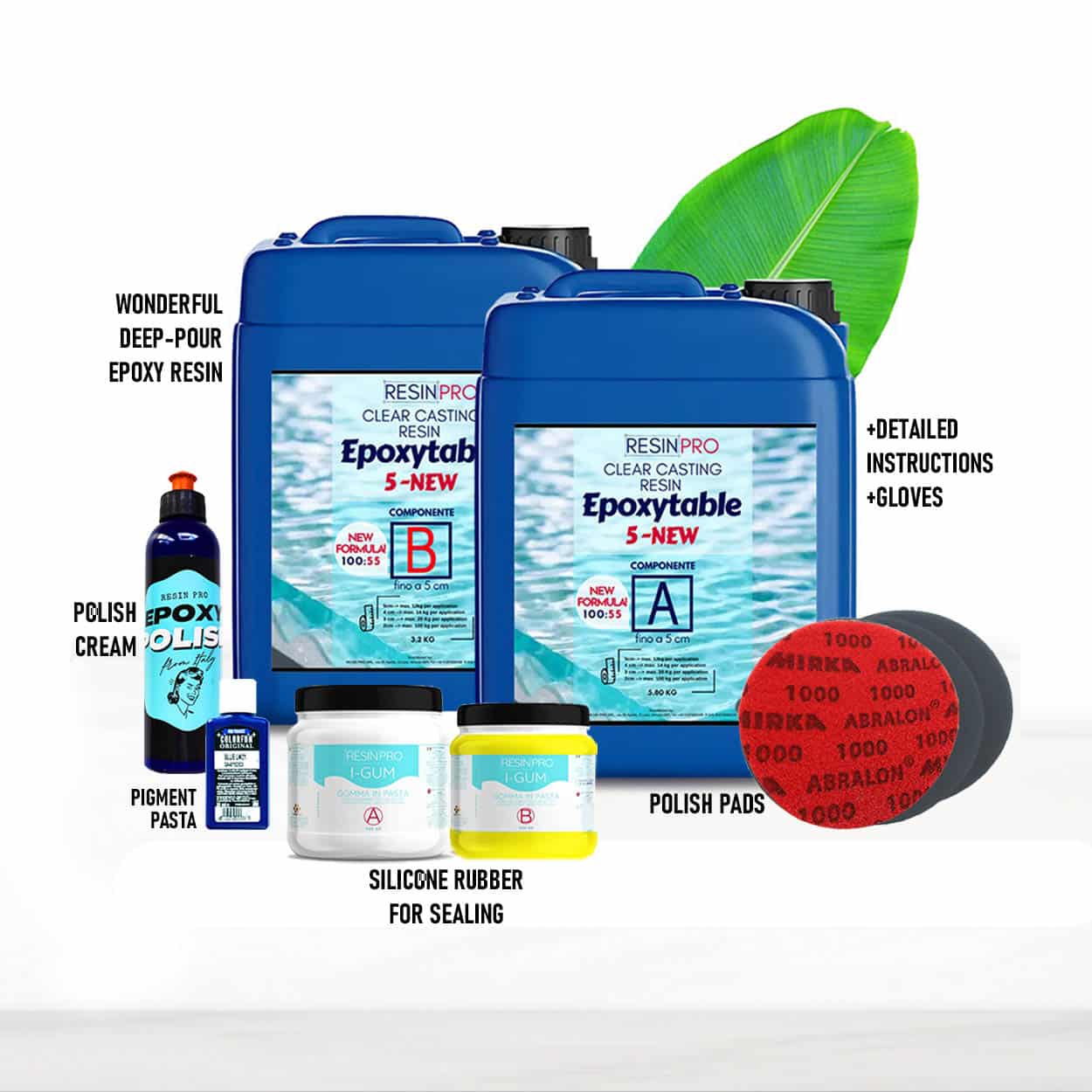
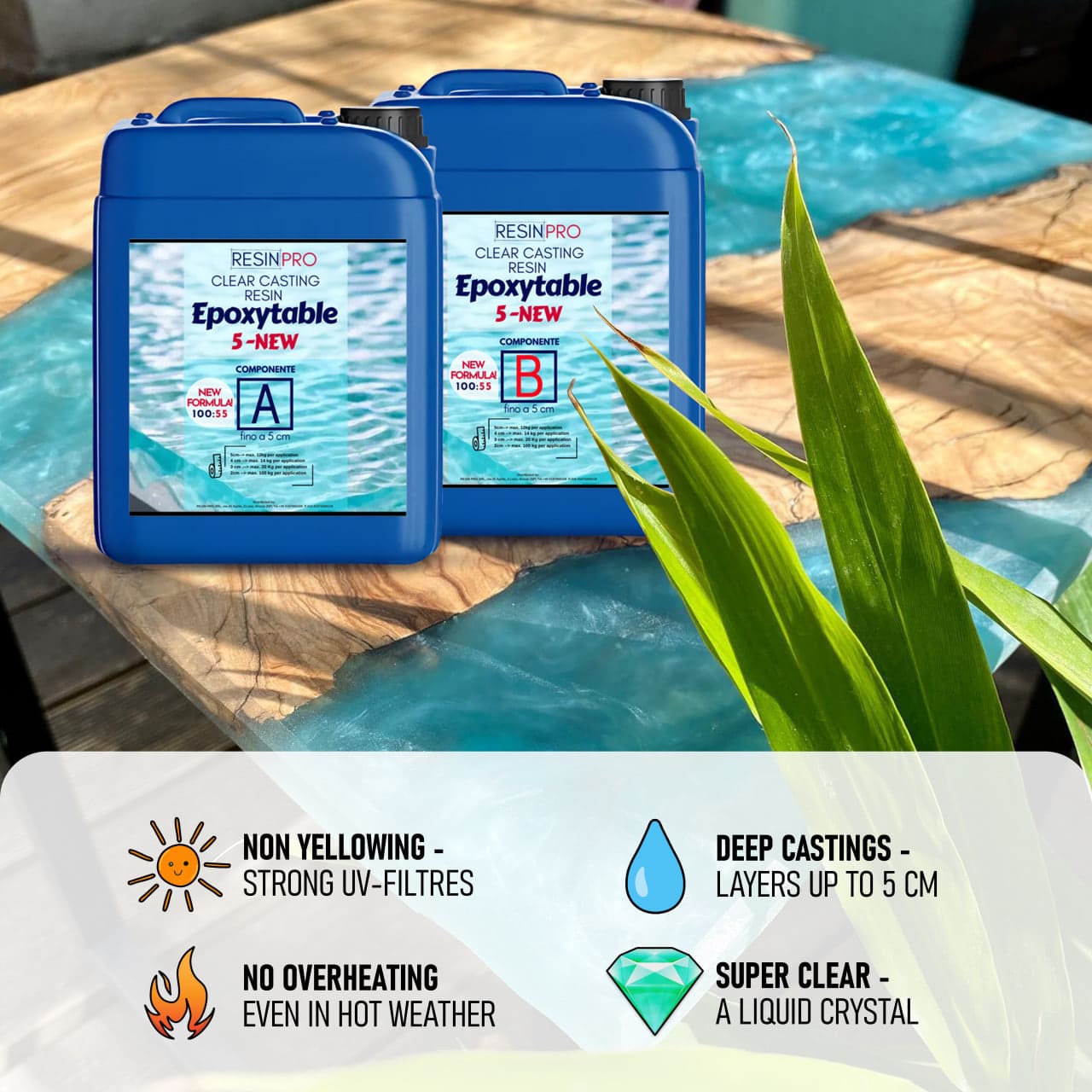
The thickness of each resin layer is crucial. For shallow pours or detail work up to 2cm, a multipurpose resin like “Trasparente” provides a clear, level surface suitable for small tables or surface coatings. If you require a deeper pour—for example, a river table centre—choose a deep-cast resin. Products such as the EpoxyTable 5-Five are designed for up to 5cm depth in a single pour, minimising risks of overheating or bubbles.


Scaling Resin for Project Size
Table size is key for calculating total resin volume. For standard tables (e.g. 0.5 m² area, 2-5cm thickness), kits like the River-Table Complete Kit provide enough resin and essential materials. For larger surfaces or very deep pours, consider layering the resin according to manufacturer’s instructions—often with a gap of several hours between layers to prevent heat build-up and ensure clarity.
When Resin Depth Matters Most
- If your project requires flood-coating (thin surface layer only), a standard casting resin is ideal.
- For dramatic effects or filling deep voids (river tables), use a resin rated for deep pouring.
- Always check maximum recommended pour thickness per product to avoid failed results.
Related products
Related guides
Getting the right resin depth and quantities is fundamental to a smooth, successful table project. For a step-by-step breakdown or to calculate exact resin needs, visit our main guide on how much epoxy resin is needed for tables.