 Free shipping on orders over £29,85
  Shipping Tracking!


 Google
 Facebook
← Back to How long does it take for resin to dry?
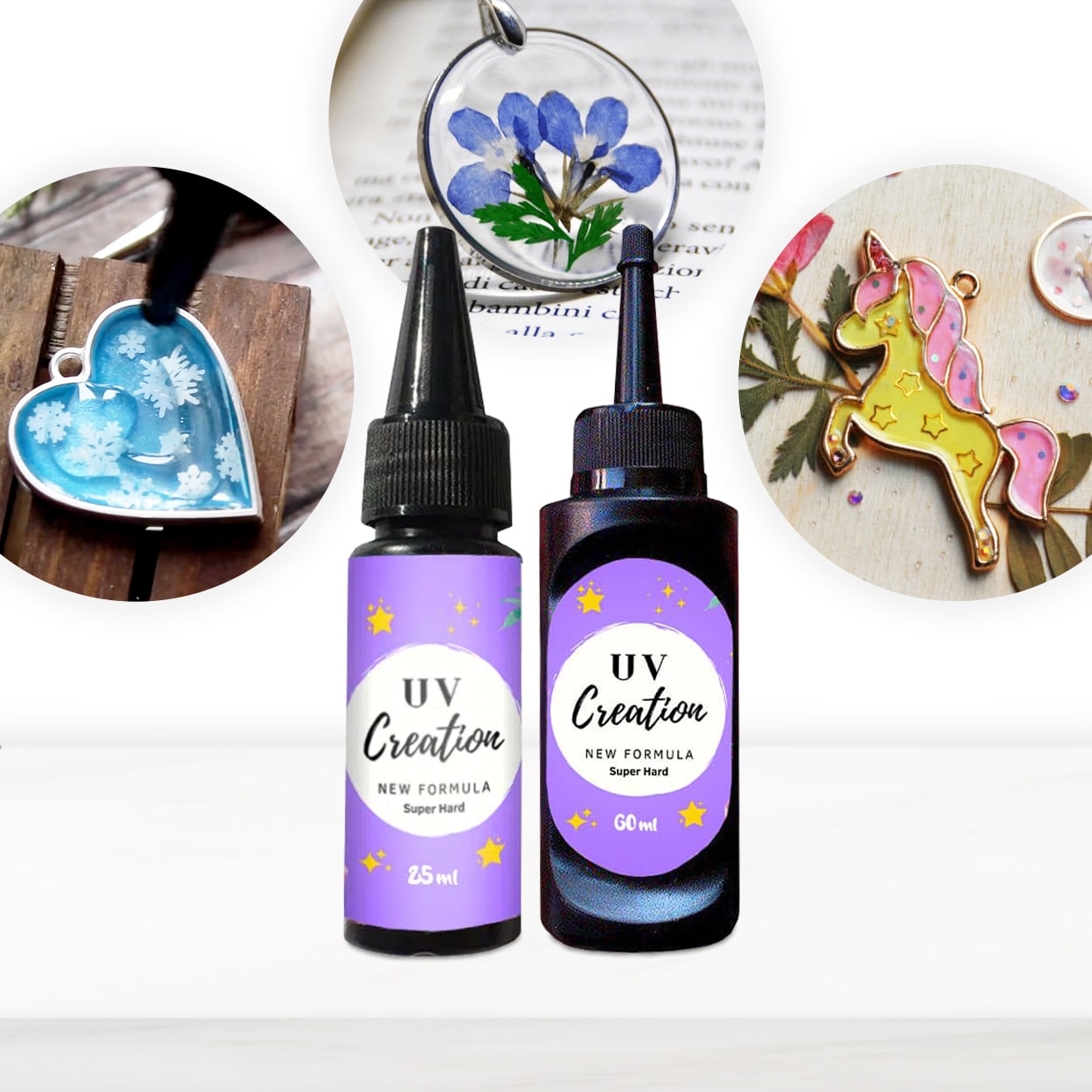
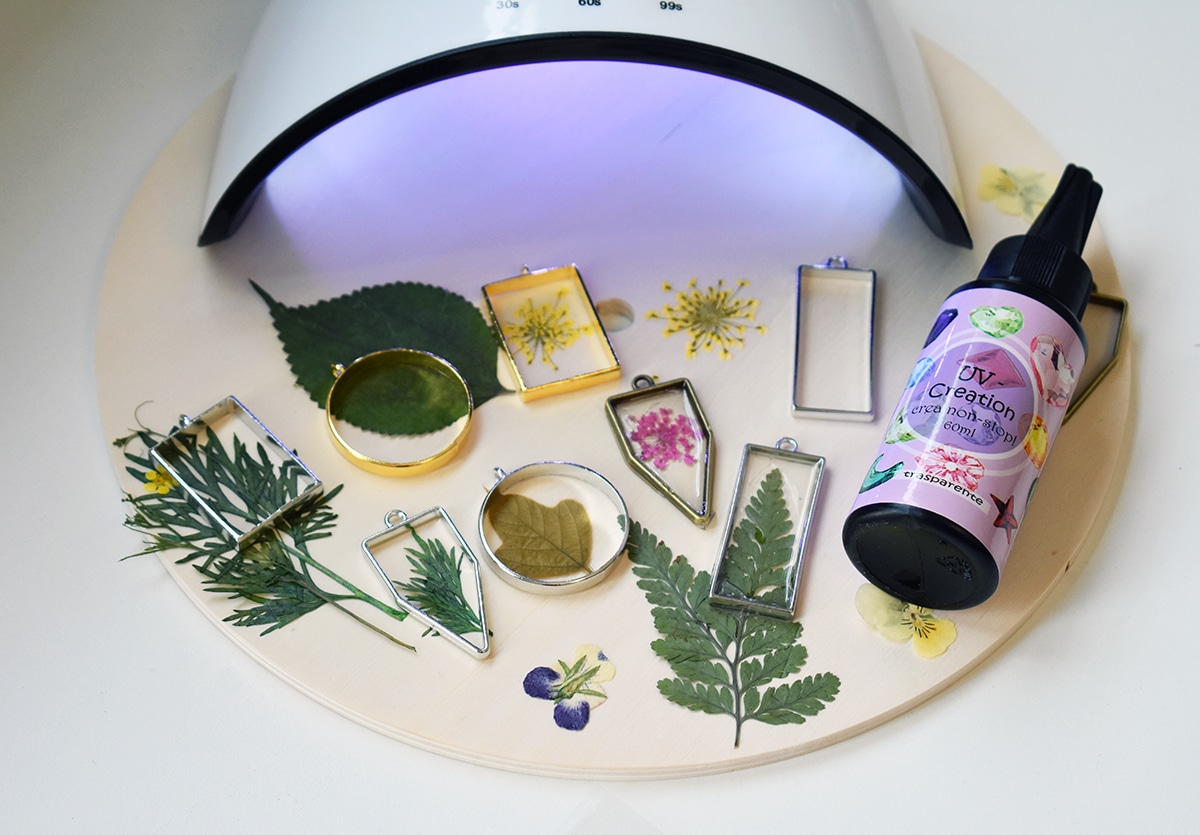
The time it takes for resin to dry – or cure – depends on several important factors. Understanding these can help you achieve consistent and high-quality results, whether you’re casting, coating, or creating.
1. Resin Type and Curing Method
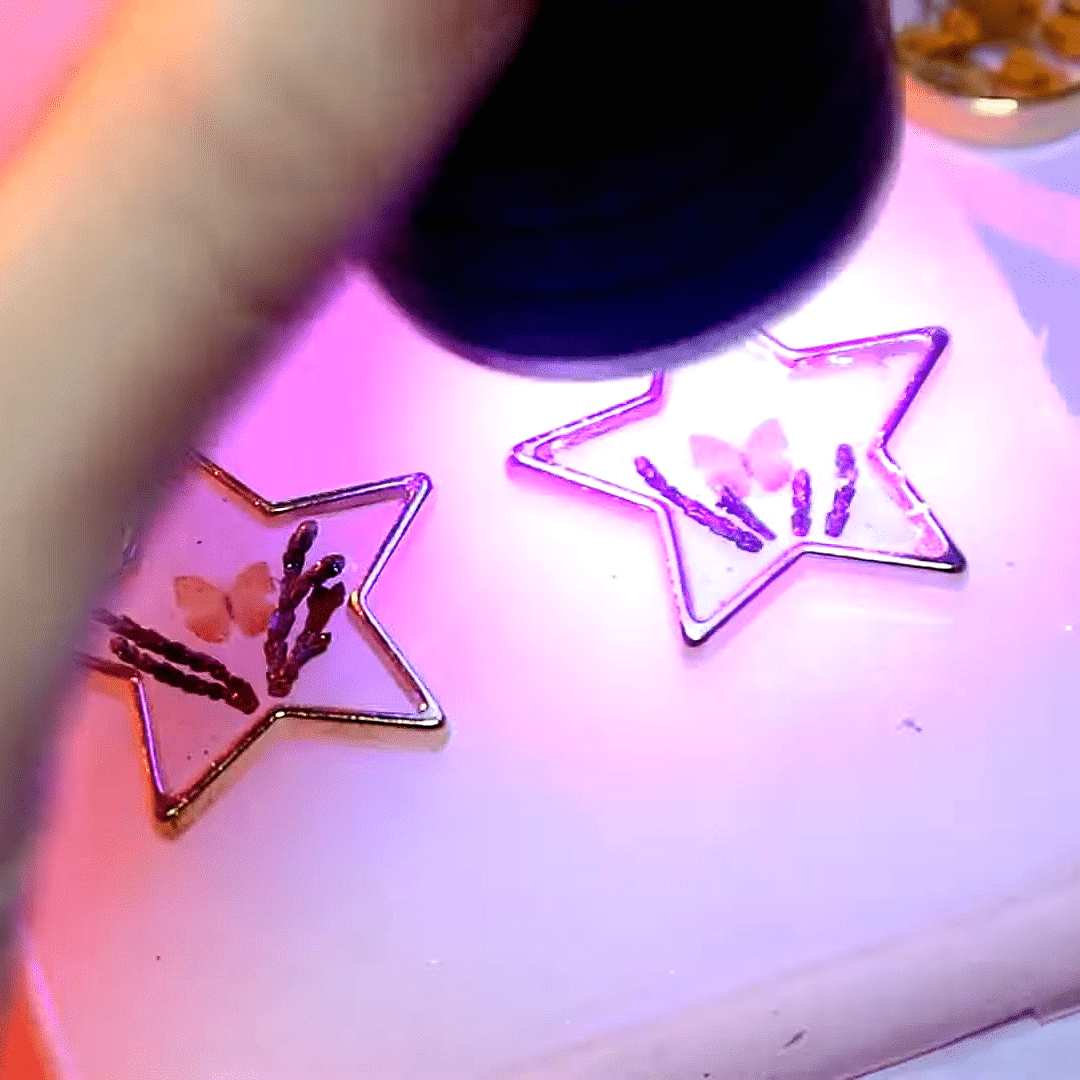
Different resins have their own drying profiles. UV-curable resins, like UV–Creation, can harden in just a few minutes when exposed to the correct lamp. In contrast, traditional two-part epoxy resins such as ICreation or Icrystal typically require several hours to demould and may need up to 24 hours for a full cure. Always check the manufacturer’s instructions for the optimal curing process.

2. Temperature and Layer Thickness
Ambient temperature has a direct impact on drying times. Warmer conditions usually speed up the curing, while cold settings slow it down. Additionally, thicker layers generate more heat as they cure, which can influence hardening speed – but pouring too deep at once can trap bubbles or cause imperfect finishes. Many resins, such as Icrystal, recommend a maximum layer thickness per pour to ensure an even set.
When This Matters
- If you’re on a tight schedule or making multiple castings, knowing how each factor influences drying allows you to plan efficiently.
- Projects requiring fast results, such as craft fairs or jewellery orders, may benefit from rapid-curing options like UV resin or fast epoxies.
- For best results, work in a temperature-controlled space and avoid exceeding recommended layer thicknesses.

Related products
Related guides
By considering factors like resin type, curing method, temperature, and thickness, you can tailor your approach for any project. For specific drying times and further information, see our guide on how long resin takes to dry.