 Free shipping on orders over £29,85
  Shipping Tracking!


 Google
 Facebook
← Back to How much does two-component resin cost?
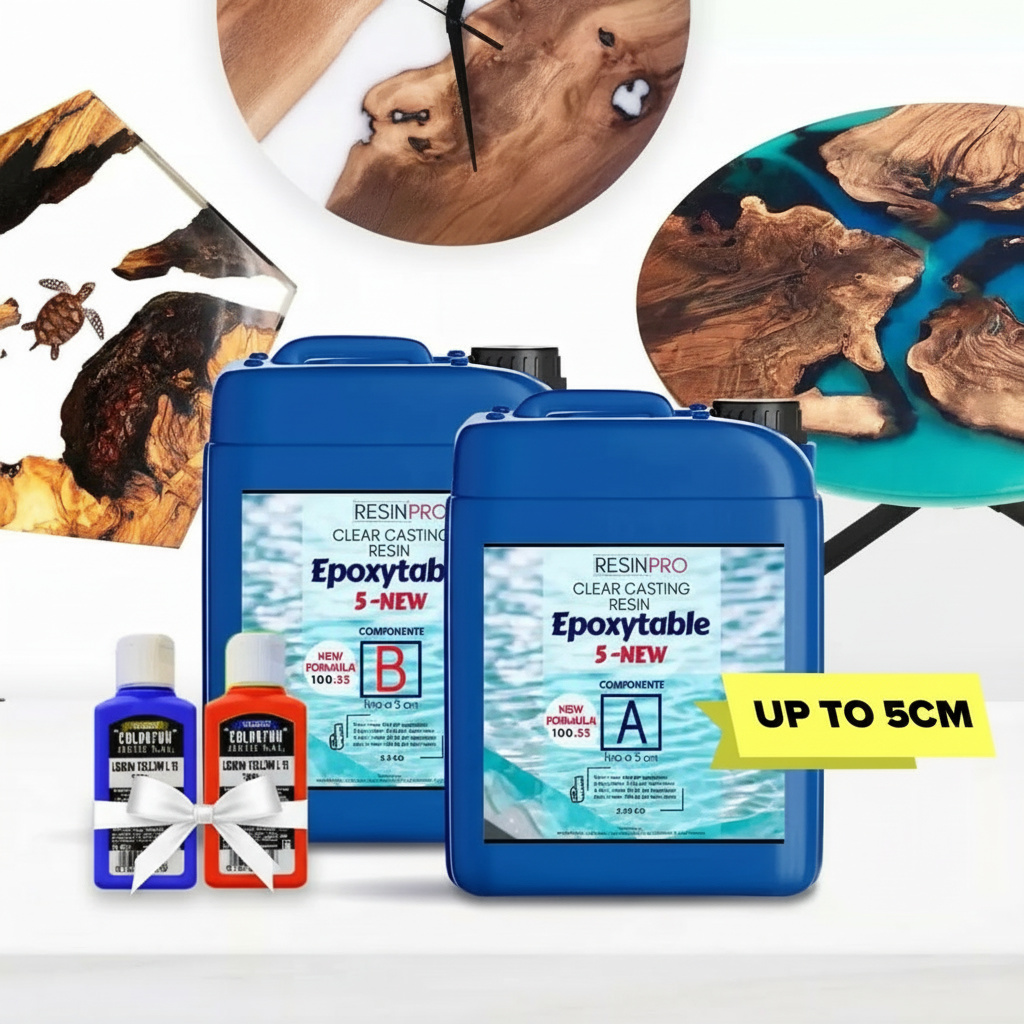
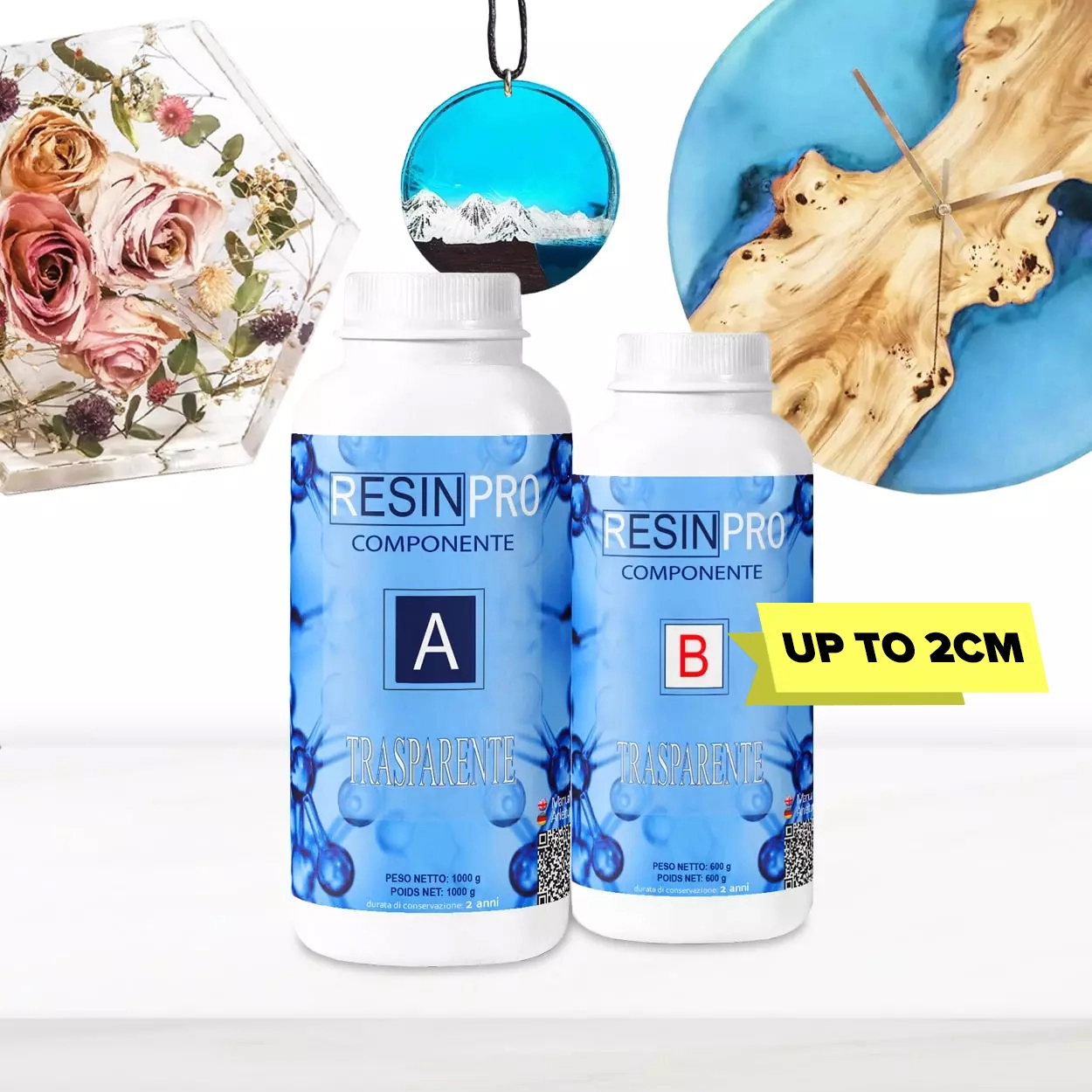
When costing up a resin project, it’s natural to wonder why prices differ between table and jewellery resins. The answer lies in their design, application, and scale.
Why Deeper Pour Resins for Tables Usually Cost More
Resins formulated for deep pours, such as those used in resin tables or river tables, are engineered to allow large volumes to cure clearly without overheating. These typically enable pouring layers between 2-10cm in one go, and require careful chemistry to prevent issues like cracking or bubbling. As a result, products like “EpoxyTable 5-Five” command a higher price per litre than resins intended for smaller crafts.
Jewellery and Small Project Resins: Designed for Detail
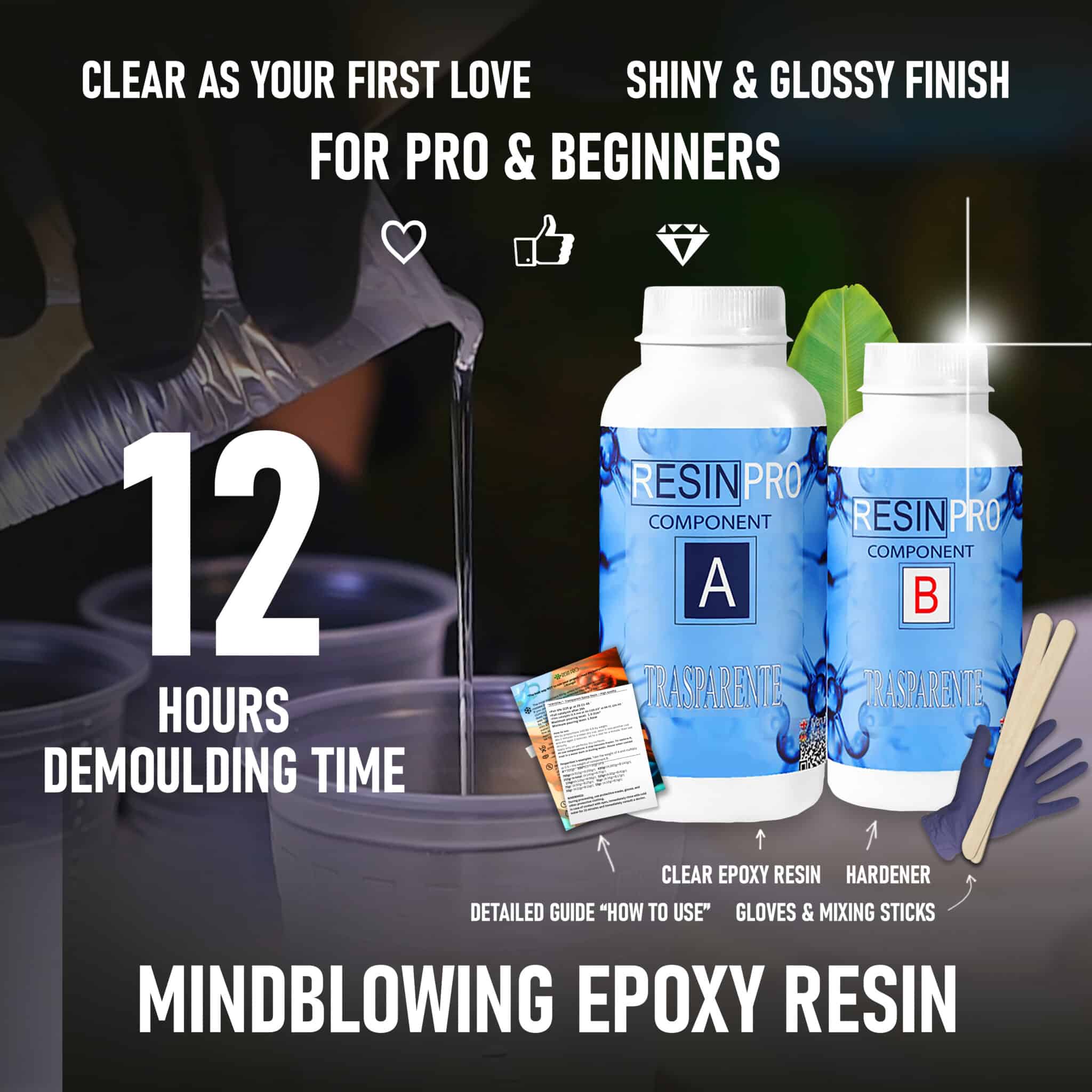
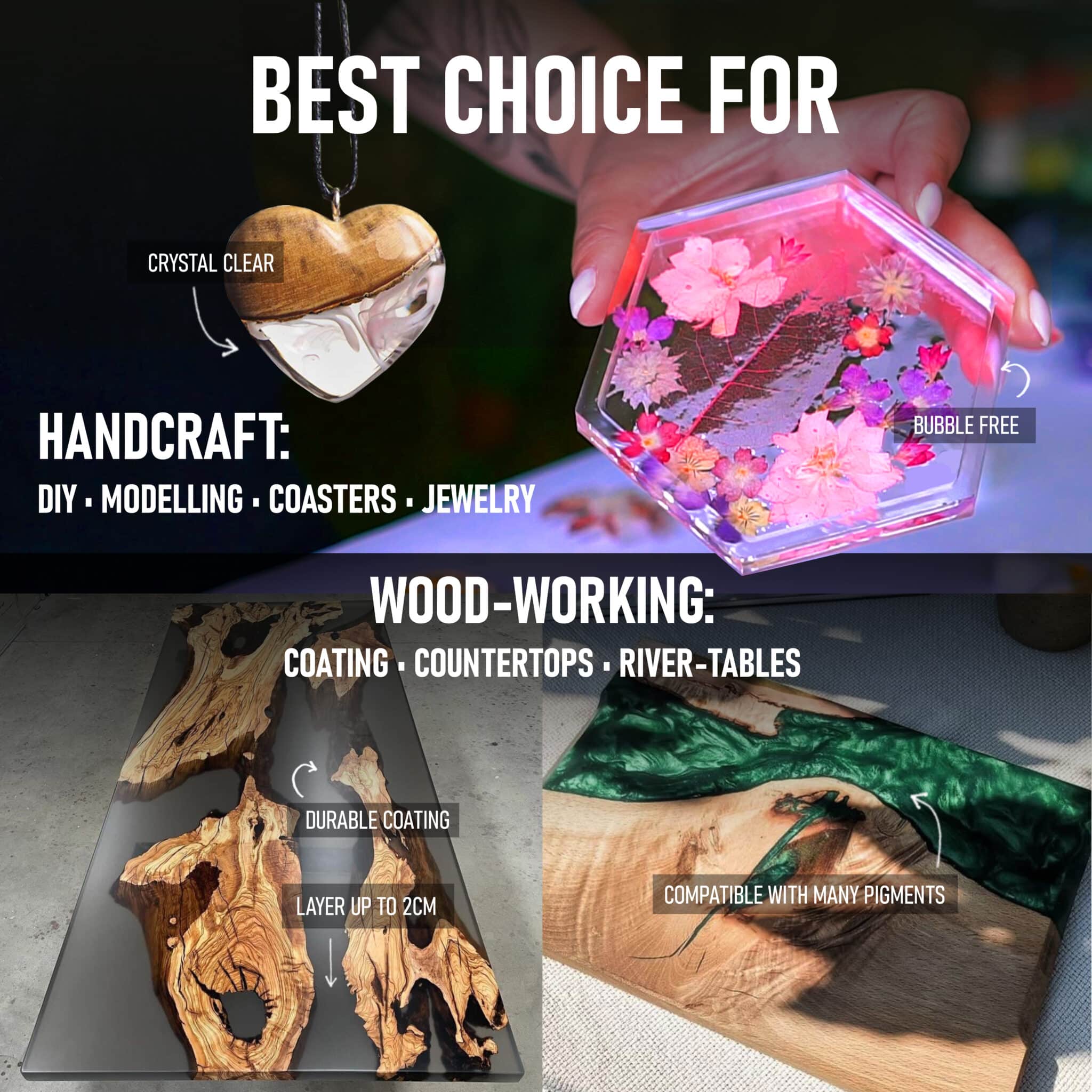
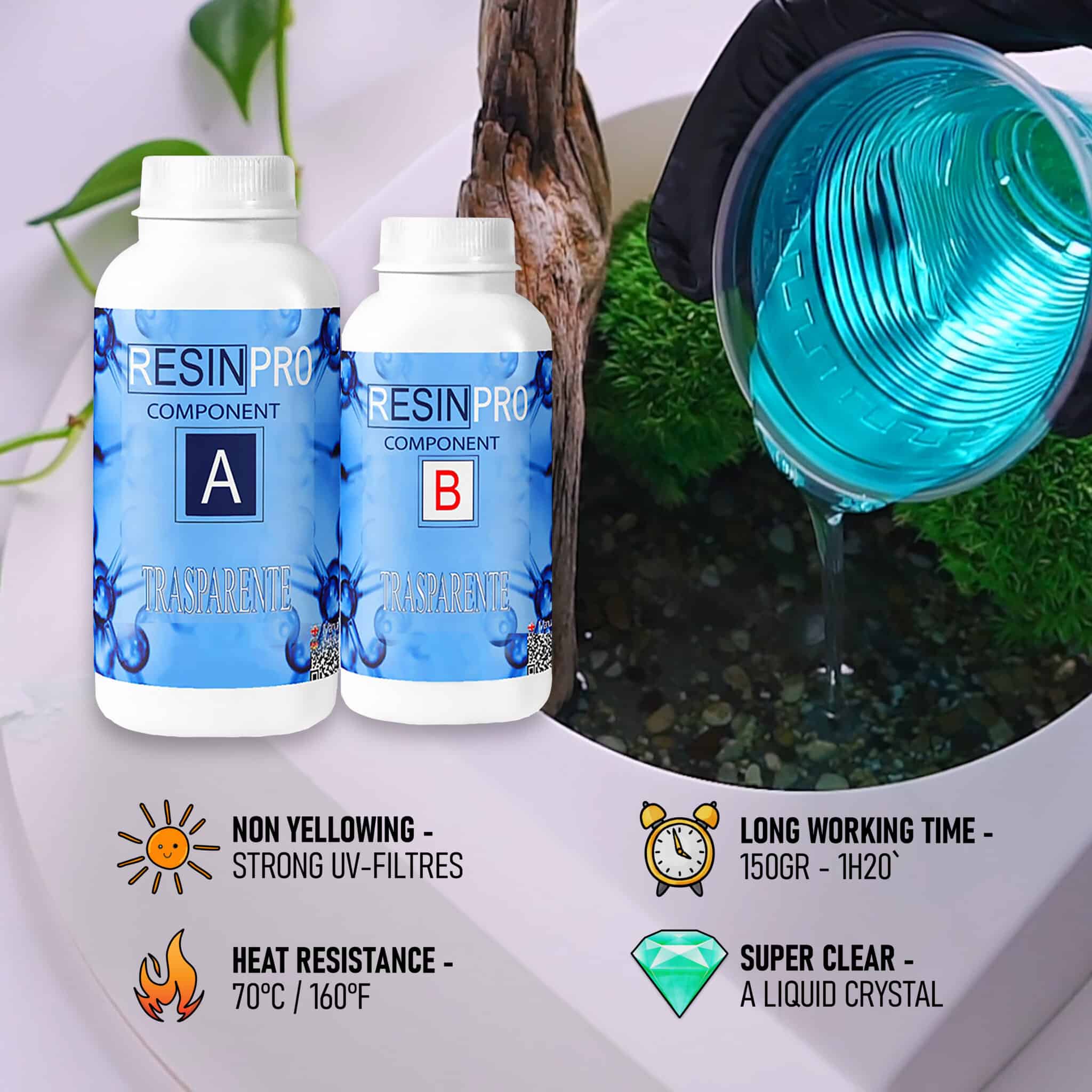
Jewellery and small casting projects need resins optimised for thin layers—typically 1-2cm or less. These formulations, such as “Icrystal” and “Trasparente”, cure quickly, are easier to measure out, and are generally packaged in smaller, more affordable quantities. For detailed work, they offer crystal clarity and simplicity without the complex engineering of deep pour resins.
Choosing the Right Resin for Your Project
- For deep tables and large river pours (2cm–10cm): opt for specialised deep-pour resins.
- For jewellery, coasters, or art up to 2cm thick: general casting or jewellery resins are more cost-effective.
- Always check the recommended maximum pour depth—using a table resin for tiny items can be wasteful, while a jewellery resin in a thick pour could overheat or remain tacky.
When This Matters
The price and formulation differences are most relevant when scaling up your projects. If you’re moving from pendants and small moulds to making tables or countertops, expect a shift in resin type—and budget requirements.
Related products
Related guides
Understanding the price differences between table and jewellery resins helps you choose the most suitable and cost-effective option for your next crafting or furniture project. For a full overview of two-component resin pricing, see our main FAQ on costs and considerations.