 Free shipping on orders over £29,85
  Shipping Tracking!


 Google
 Facebook
← Back to How does the resin come out in the bathroom corners?
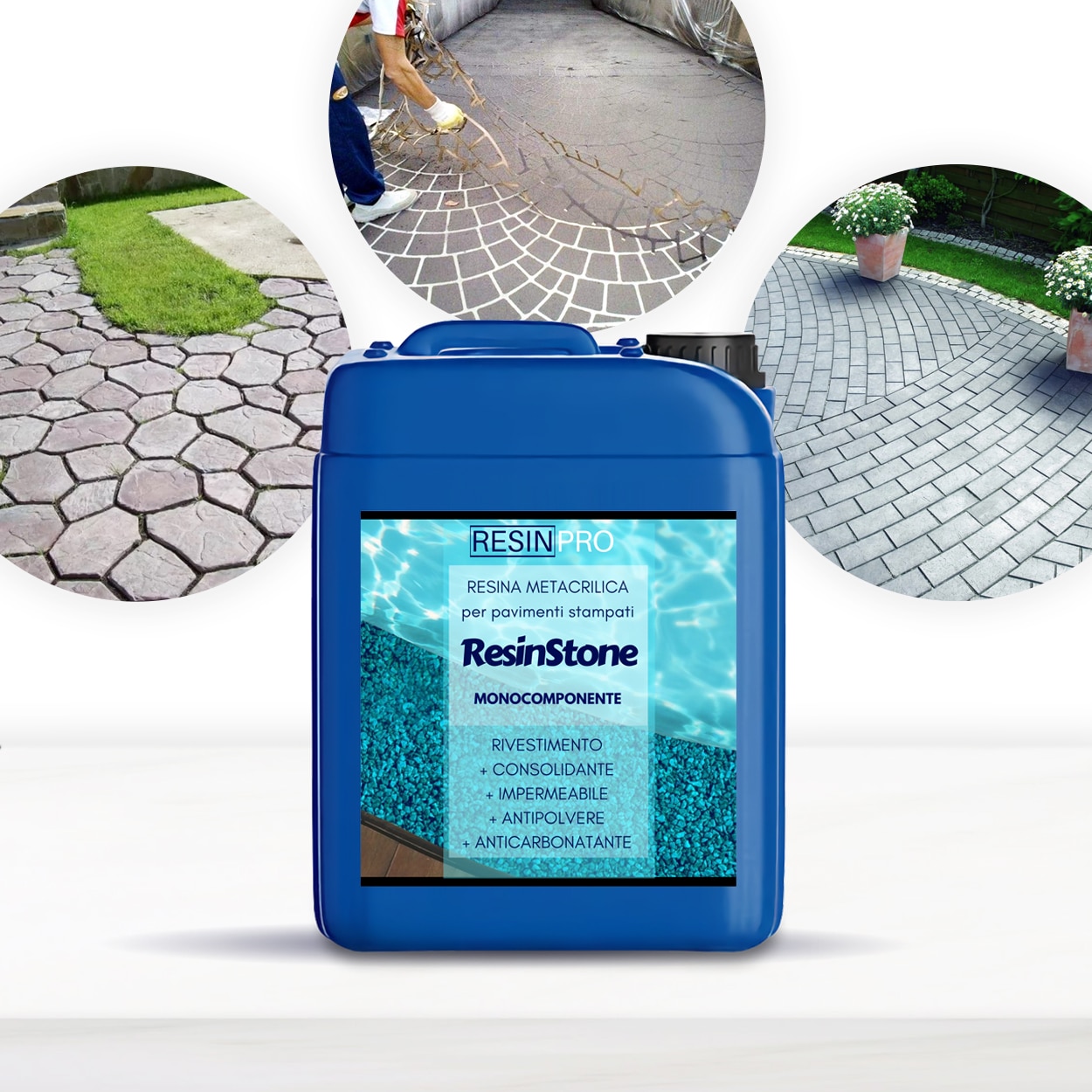
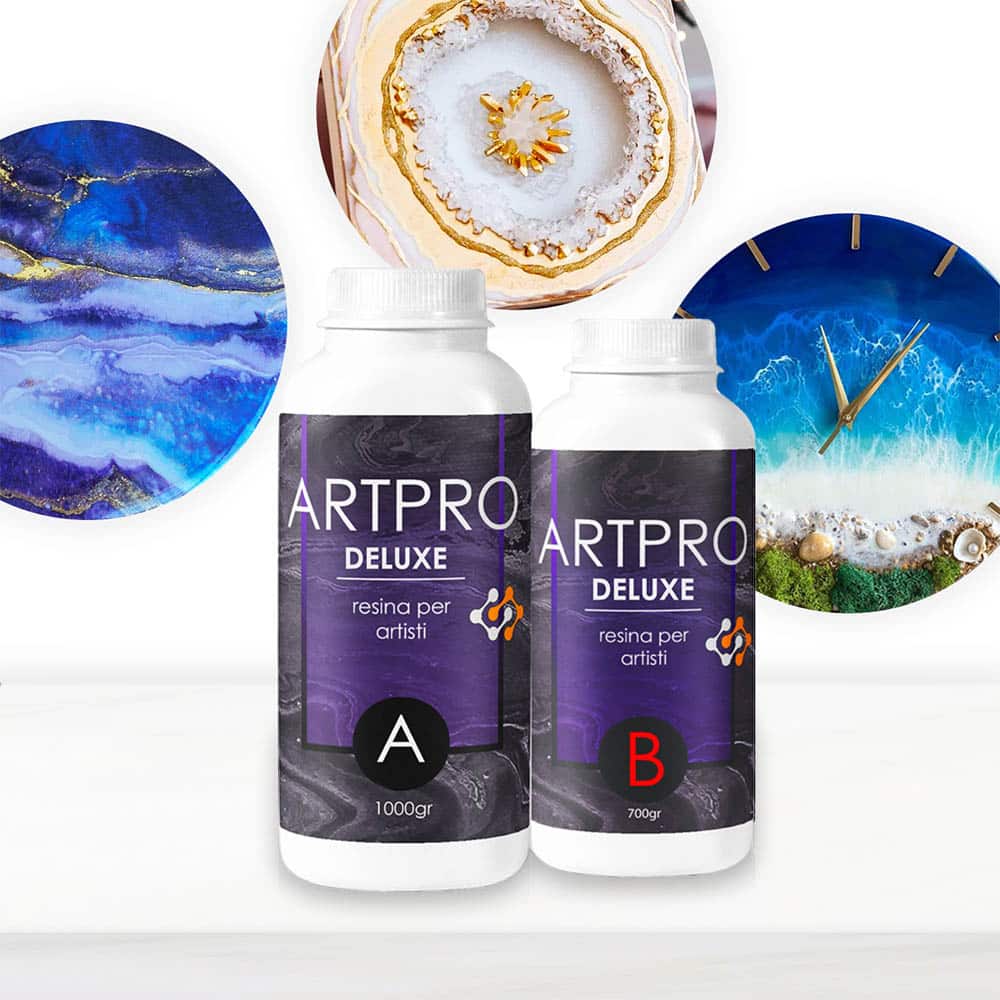
Sealing the edges of your bathroom floor is essential to prevent water ingress and prolong the life of both your flooring and substructure. Choosing the right resin makes all the difference, especially in tricky corners or where water exposure is frequent.
Top Resin Choices for Bathroom Floor Edges
If your bathroom floor is concrete, a methacrylic resin like Resinstone offers reliable waterproofing and mechanical protection. Its breathable nature helps reduce trapped moisture, which is vital in damp spaces. For decorative needs or where you desire a more artistic finish, ultra-high viscosity epoxy resins—such as Art Pro Deluxe—can provide both clarity and lasting resilience.


Practical Application and Best Results
To effectively seal bathroom edges, start with a clean, fully dry surface. Methacrylic resins are typically easy to apply by pouring or with an airless spray, ensuring deep penetration into concrete edges and corners. For detailed finishes or smaller areas, high-viscosity epoxies give controlled coverage that won’t easily spread or drip, helping you achieve sharp, undistorted lines even on vertical surfaces.
- Always read resin instructions.
- Avoid application on moist substrates for best adhesion and effectiveness.
- Allow each coat to fully cure before exposing the area to water.
When This Matters
Edge sealing is especially important in bathrooms prone to frequent splashes or in homes with young children. Well-sealed corners prevent water from creeping underneath tiles or flooring, reducing the risk of lurking mould or gradual damage over time.

Related products
Related guides
By selecting a suitable resin for your bathroom floor edges, you lay the groundwork for a long-lasting, water-resistant space. For further guidance on protecting every corner of your bathroom with the right resin, find more insights on the main FAQ page.