 Free shipping on orders over £29,85
  Shipping Tracking!


 Google
 Facebook
← Back to What is the thermal dissipation factor in resins?

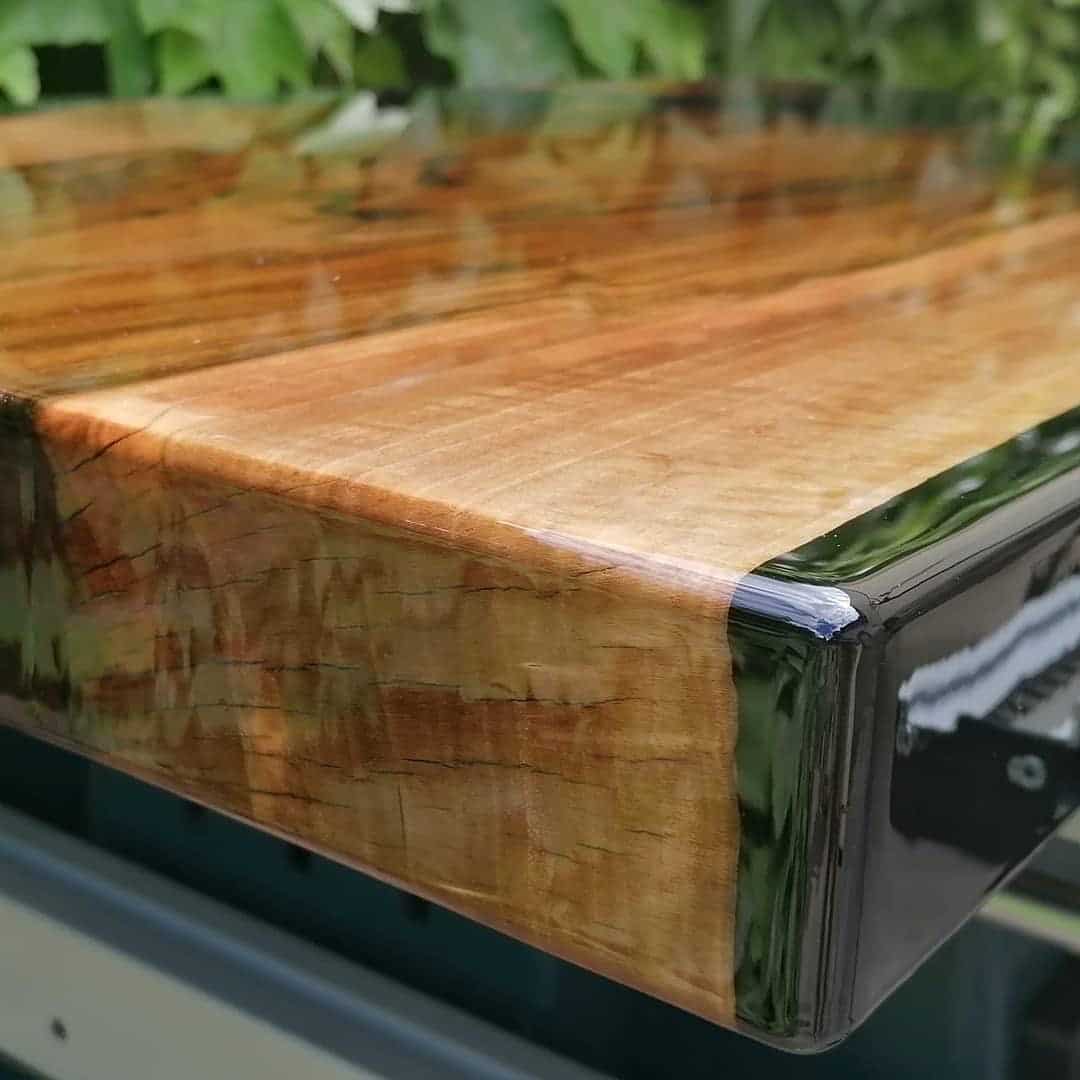
Poured resin needs careful attention to thickness. Exceeding the recommended depth can have a major impact on the outcome of your project, leading to issues like excessive heat, cracking, or even a failed cure.
Why Thickness Matters With Resin
Resins are designed to cure correctly only within certain thickness limits. If poured too thick, the chemical reaction that cures the resin can become overly intense, causing an unsafe build-up of heat (exotherm). This not only raises the risk of the resin cracking as it cools, but may also lead to yellowing or cloudy discolouration.


Common Problems From Over-Thick Pours
- Cracking or Warping: Excess heat puts mechanical stress on the resin, making cracks or deformations more likely.
- Discolouration: Rapid curing caused by too much heat can yield a yellow or cloudy appearance.
- Incomplete Curing: Thicker layers can trap heat or air, leaving the centre tacky or soft even after hours.
Practical Guidance: How To Pour Resin Safely
Always check your chosen resin’s maximum recommended layer thickness. For deep pours up to 10cm, a specialised resin such as “Epoxytable 10-Ten” is best, as it’s designed to reduce overheating. For smaller projects or thinner layers, stick to products with lower pour limits to avoid exotherm problems. If your project needs greater depth than recommended, work in multiple layers, allowing each to cool and harden fully before adding the next.
When This Matters Most
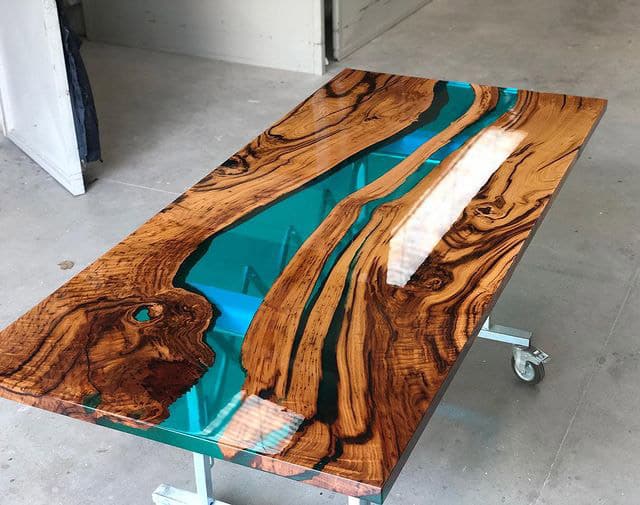
If you are casting river tables, thick decorative blocks, or any large project, improper layering can ruin the finish and even create safety hazards. The correct resin and pouring technique are crucial for reliable, clear results.
Related products
Related guides
Pays to be precise—keeping within your resin’s recommended pour thickness will ensure solid results and help you avoid issues with heat or curing. For more about managing heat in resin work, see our article on the thermal dissipation factor in resins.