 Free shipping on orders over £29,85
  Shipping Tracking!


 Google
 Facebook
← Back to Which is more durable: a resin or plastic cabinet?

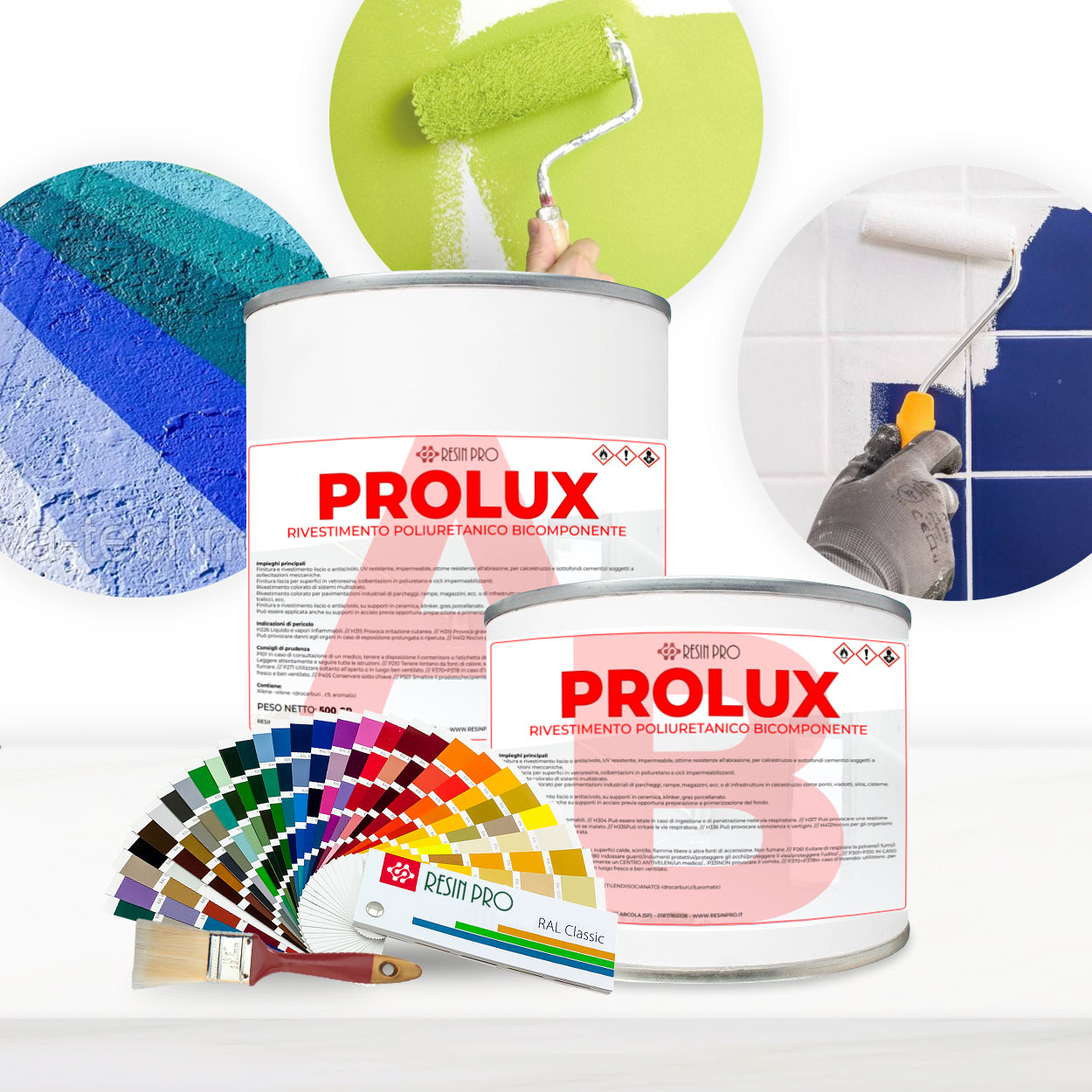
When considering cabinets for home or workplace use, understanding how each material handles heat exposure is vital, especially for kitchens or workshops. Let’s explore how resin cabinets measure up to standard plastic ones in heat resistance, and why that matters for your space.
Understanding Heat Resistance
Resin cabinets, particularly those made with epoxy or polyurethane coatings, generally outperform standard plastic in their ability to withstand heat. Many typical plastics used in cabinets can begin to warp or degrade at moderate temperatures, whereas quality resin surfaces offer resistance up to roughly 70°C. This can make them far better suited for storage near warm appliances or in sunny spots.
Choosing the Right Solution for Your Needs
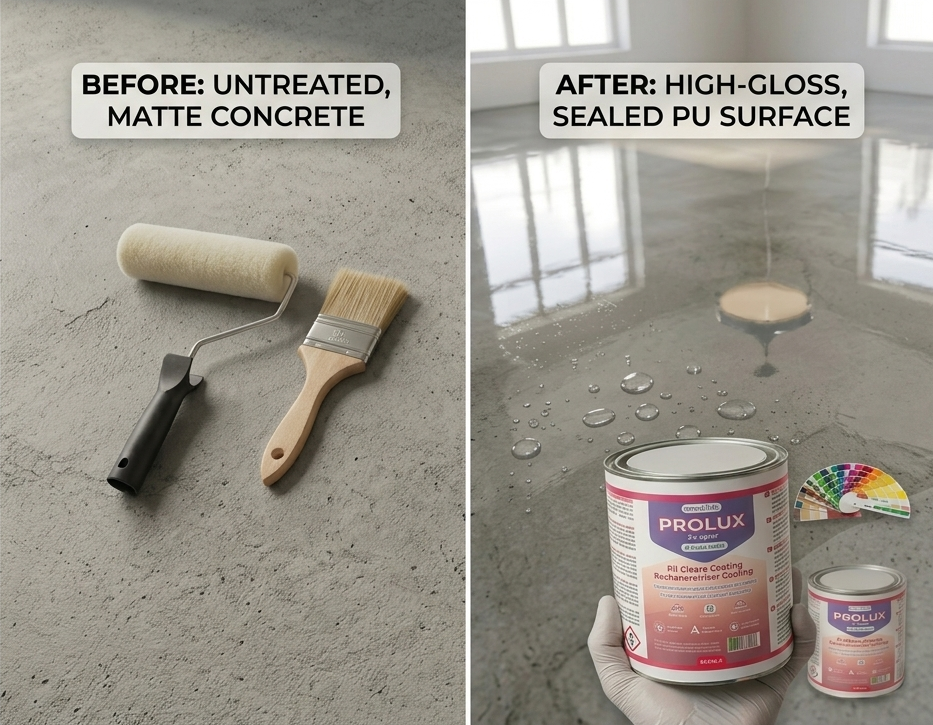
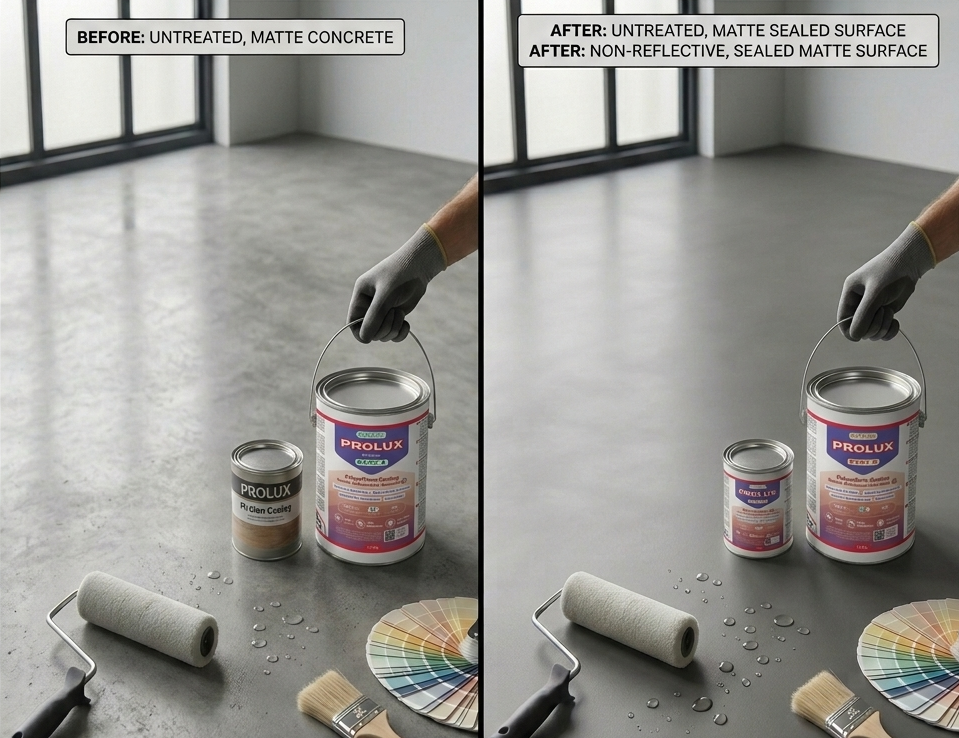
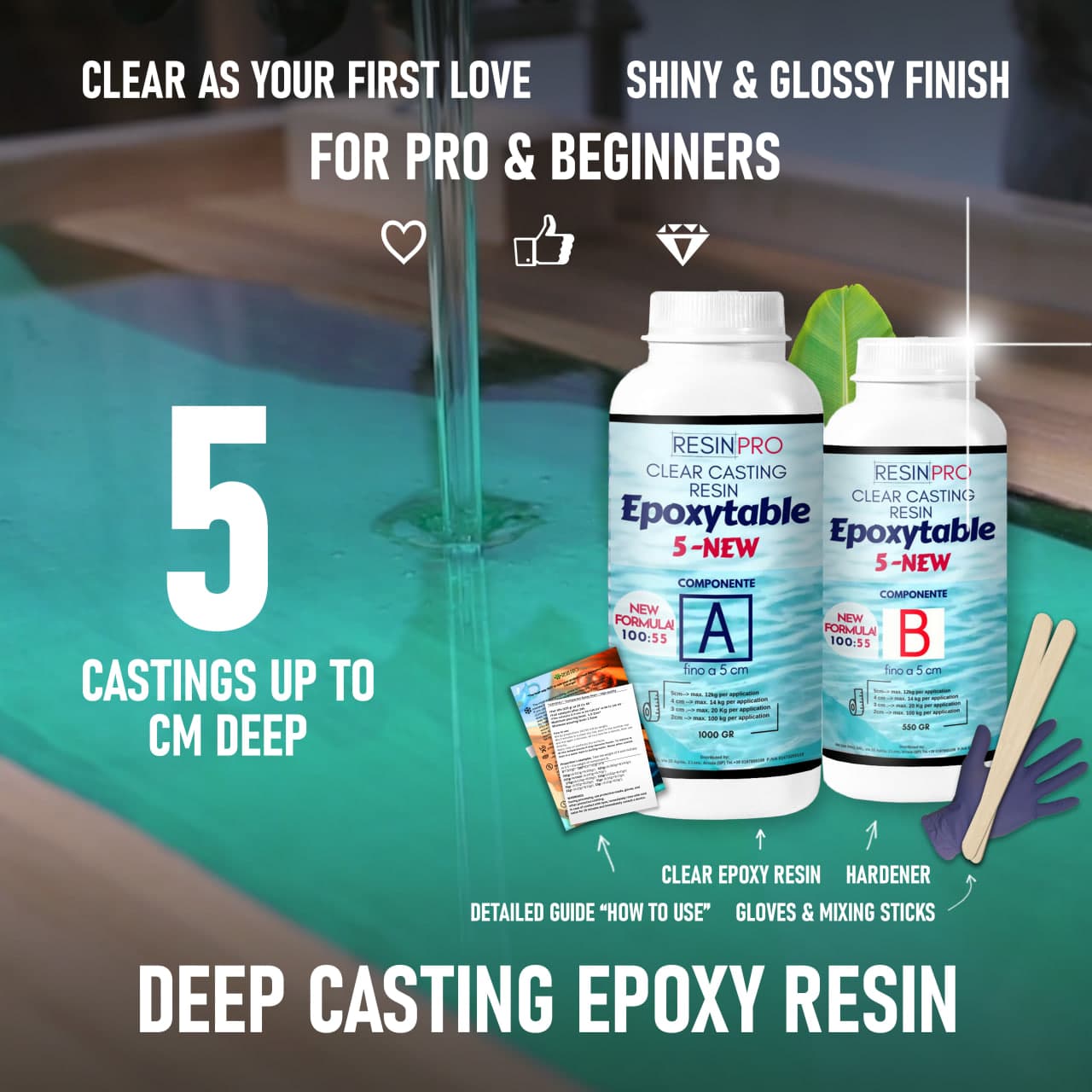
If your cabinet may face hot cookware, direct sunlight, or exposure to heat-generating tools, materials matter. A resin-coated system, like the Prolux PU coating, offers enhanced surface protection not only against heat, but against abrasion and UV rays too. For bespoke cabinetry requiring both durability and a refined look, epoxy resins used in projects like EpoxyTable 5-Five can provide both structural and temperature resistance benefits.
When This Matters Most
- Kitchen and utility room cabinets placed near ovens or hobs
- Workshop storage facing frequent tool use
- Custom furniture exposed to sunlight or occasional heat
In these settings, opting for resin finishes can minimise the risk of distortion, retaining both appearance and function over time.
Related products
Related guides
While both resin and plastic choices have their place, resin’s superior heat resistance is a key advantage where consistent or high temperatures are a concern. To learn more about resilience and overall cabinet durability, see our insights on resin versus plastic durability.