 Free shipping on orders over £29,85
  Shipping Tracking!


 Google
 Facebook
← Back to How can I apply resin to a wall?
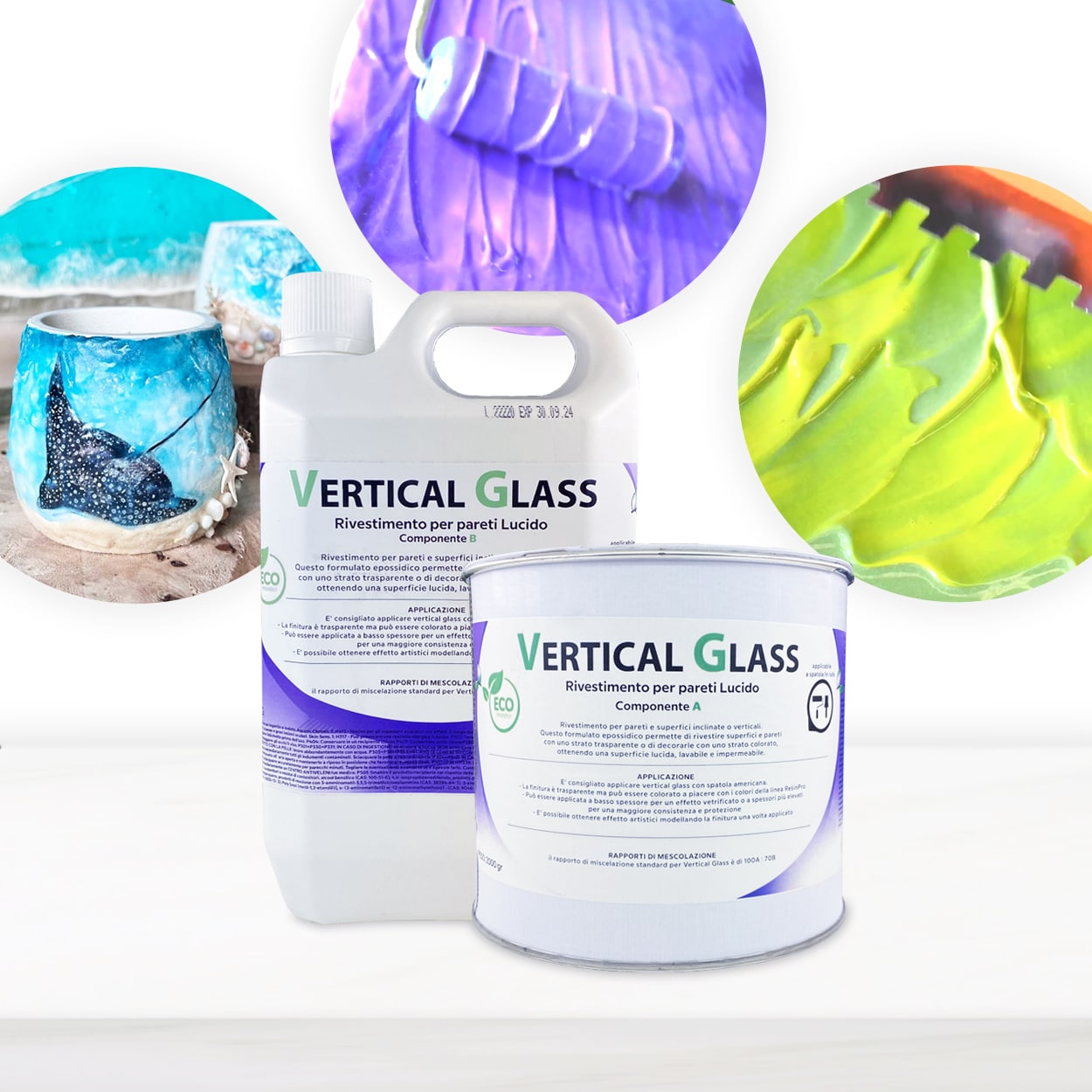
Getting the thickness of each resin layer right is essential for attractive, durable wall finishes. Proper technique helps avoid drips and ensures your decorative vision comes to life.
Recommended Layer Thickness for Walls
When applying resin to vertical surfaces, thinner is better. A thin, even coat—just enough to cover the wall without excess build-up—is ideal. Thick applications on walls can lead to sagging or runs before the resin sets. For decorative wall coatings like the Vertical Glass system, aim for layers around 1–2 mm at a time. Allow each layer to cure before applying the next for the best finish.
Techniques for Achieving Smooth Layers
Use appropriate tools, such as short-pile rollers, spatulas, or brushes, to control the amount of resin per stroke. These tools help create a uniform coat and minimise excess material on vertical surfaces. Applying multiple thin layers, rather than a single thick one, reduces the risk of trailing or unevenness. A roller like those found in our resin application kit can make the job easier, especially for larger areas or detailed edge work.
When Does Layer Thickness Matter Most?
Layer thickness particularly matters if you’re working with decorative effects, metallic pigments, or want a durable, washable wall finish in kitchens or bathrooms. Thin layers help designs stay crisp and prevent colour bleed, while maintaining excellent adhesion and a smooth, glossy result.
Related products
Related guides
Controlling your resin layer thickness is key to flawless, long-lasting wall coatings. For more advice on surface preparation and decorative effects, see our main guide on how to apply resin to a wall.