 Free shipping on orders over £29,85
  Shipping Tracking!


 Google
 Facebook
← Back to With 1 kg of resin, how many square meters can you cover?
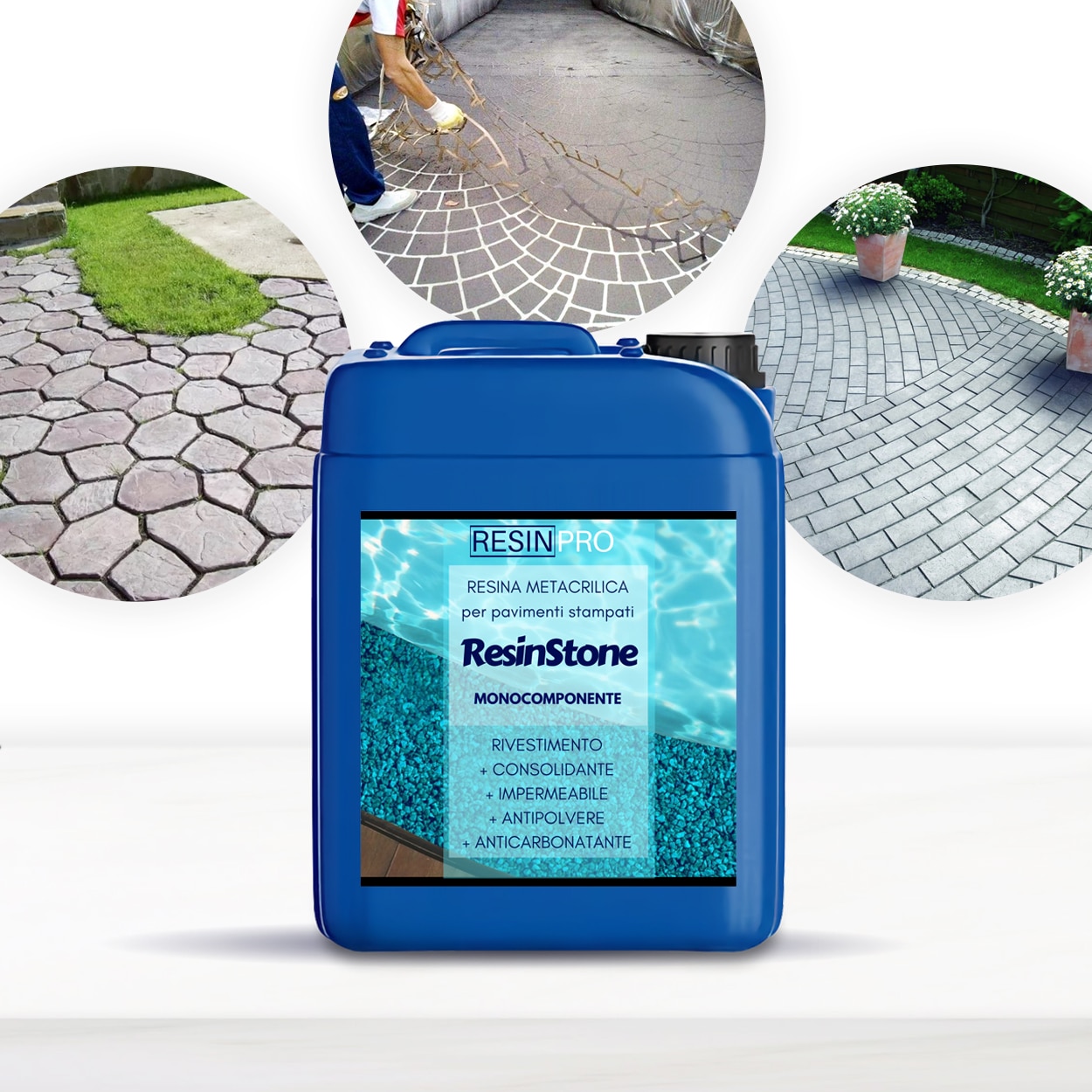
If you are considering using Resinstone for surface protection or enhancement, it’s essential to match the resin to the underlying material. Here’s what you need to know about applying Resinstone to non-absorbent surfaces.
What Is Resinstone Most Suited For?
Resinstone is specifically formulated for absorbent bases such as concrete, where it penetrates deep into the surface, providing long-lasting sealing and robust protection. Its performance relies on this capillary penetration, making it ideal for driveways, garages, stamped floors, and outdoor paths constructed with porous materials.
Considerations for Non-Absorbent Surfaces
When dealing with non-absorbent surfaces—such as glazed tiles, dense stone, or existing coatings—Resinstone may not perform as intended. Lack of absorption can hinder adhesion and durability. In such cases, a different primer or a dedicated resin system might be required, and it’s best to contact the manufacturer or supplier for specific recommendations before starting your project.
Practical Guidance and Buying Tips
- For best results, always select a product suited to your substrate—concrete and similar absorbent materials are ideal for Resinstone.
- If your base is non-absorbent, seek tailored advice from the ResinPro team to discuss alternatives or necessary preparatory steps. This helps ensure you achieve a durable finish and avoid costly rework.
When This Matters
This consideration is crucial if you are looking to protect or upgrade existing surfaces like tiles, sealed concrete, or old resin finishes. Using the correct product or surface preparation method can make all the difference in longevity and visual appeal.
Related products
Related guides
Resinstone excels on absorbent materials such as bare concrete. For guidance on ensuring the best coverage and performance, especially on challenging bases, explore more about surface preparation and resin coverage on our main FAQ page.