 Free shipping on orders over £29,85
  Shipping Tracking!


 Google
 Facebook
← Back to How do you reinforce an airplane cart with a resin structure?
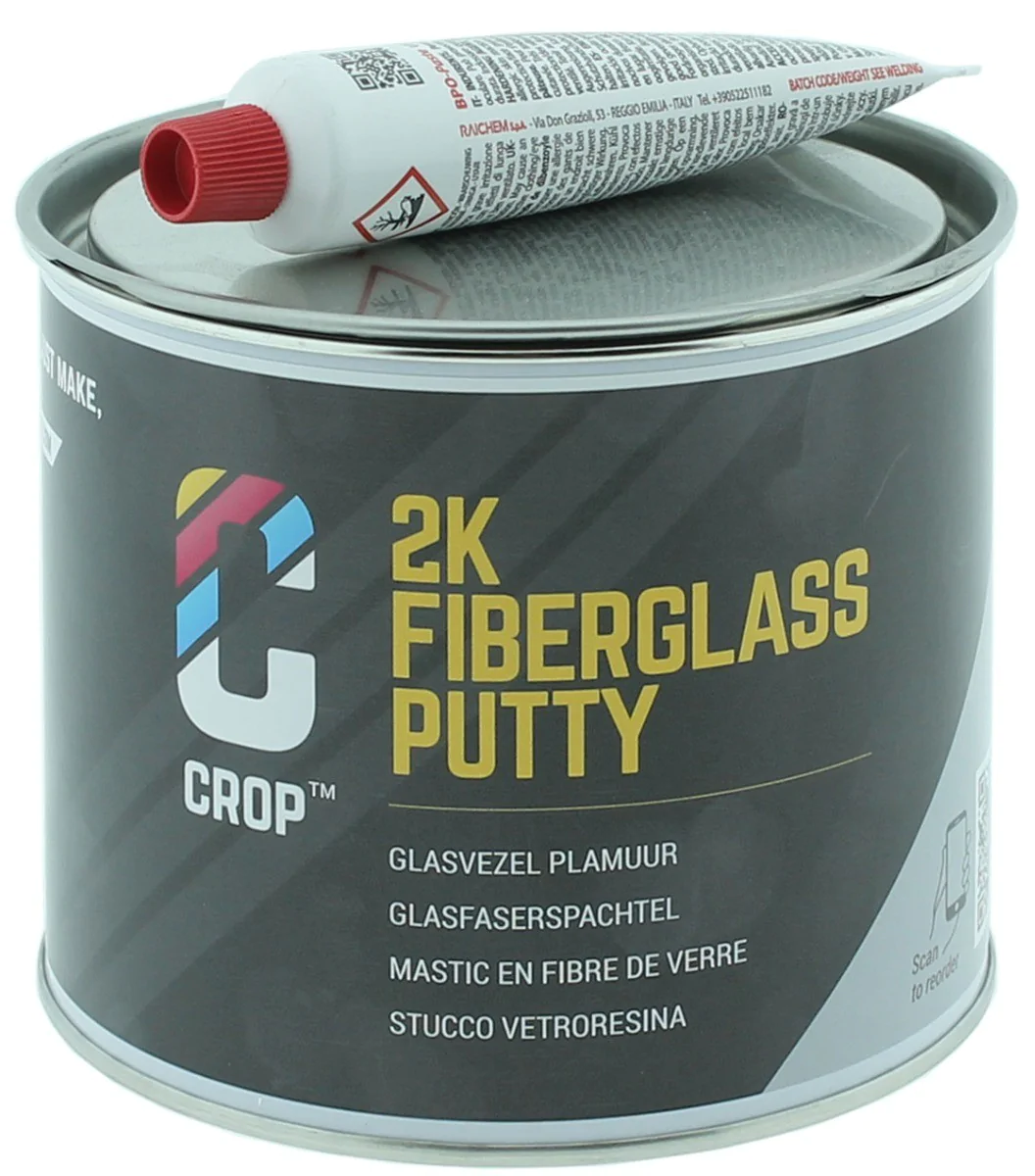

Choosing a resin structure that stands up to moisture, water, chemicals, and corrosion is essential when reinforcing demanding components such as an airplane cart. Robust resistance ensures longevity and reliability in both industrial and everyday projects.
Understanding Resin Resistance
Epoxy and polyester resins, especially those reinforced with fibreglass or carbon fibre, are commonly used for their resistance to environmental factors. When fully cured and properly applied, these resins help protect composites from water ingress, common chemicals, and the effects of corrosion. Fibre reinforcement provides additional mechanical stability, making the structure less vulnerable to physical and chemical wear.


Practical Application for Lasting Protection
For projects exposed to moisture and chemicals, such as reinforcing an airplane cart, select a product specifically engineered for strong bonding and impact resistance. For instance, CROP 2K Fiberglass Putty offers excellent moisture and chemical resistance along with ease of sanding for a seamless finish. Proper surface preparation and accurate mixing are vital for a reliable outcome. When using a resin repair kit, always follow the full application and curing instructions to maximise each layer’s protective capabilities.
When This Matters Most
Water and chemical resistance become critical in environments subject to frequent cleaning, outdoor exposure, or operational spillages. Reinforcing equipment like carts, worktops, or bodywork with suitable resin systems can help prevent gradual material breakdown and costly repairs in the long term.

Related products
Related guides
By selecting and applying appropriate resin materials with proven resistance properties, structures like airplane carts benefit from longer service life and greater reliability. Explore more ways to reinforce composite components in our main guide on reinforcing airplane carts with resin structures.