 Free shipping on orders over £29,85
  Shipping Tracking!


 Google
 Facebook
← Back to How do you use epoxy putty for iron?
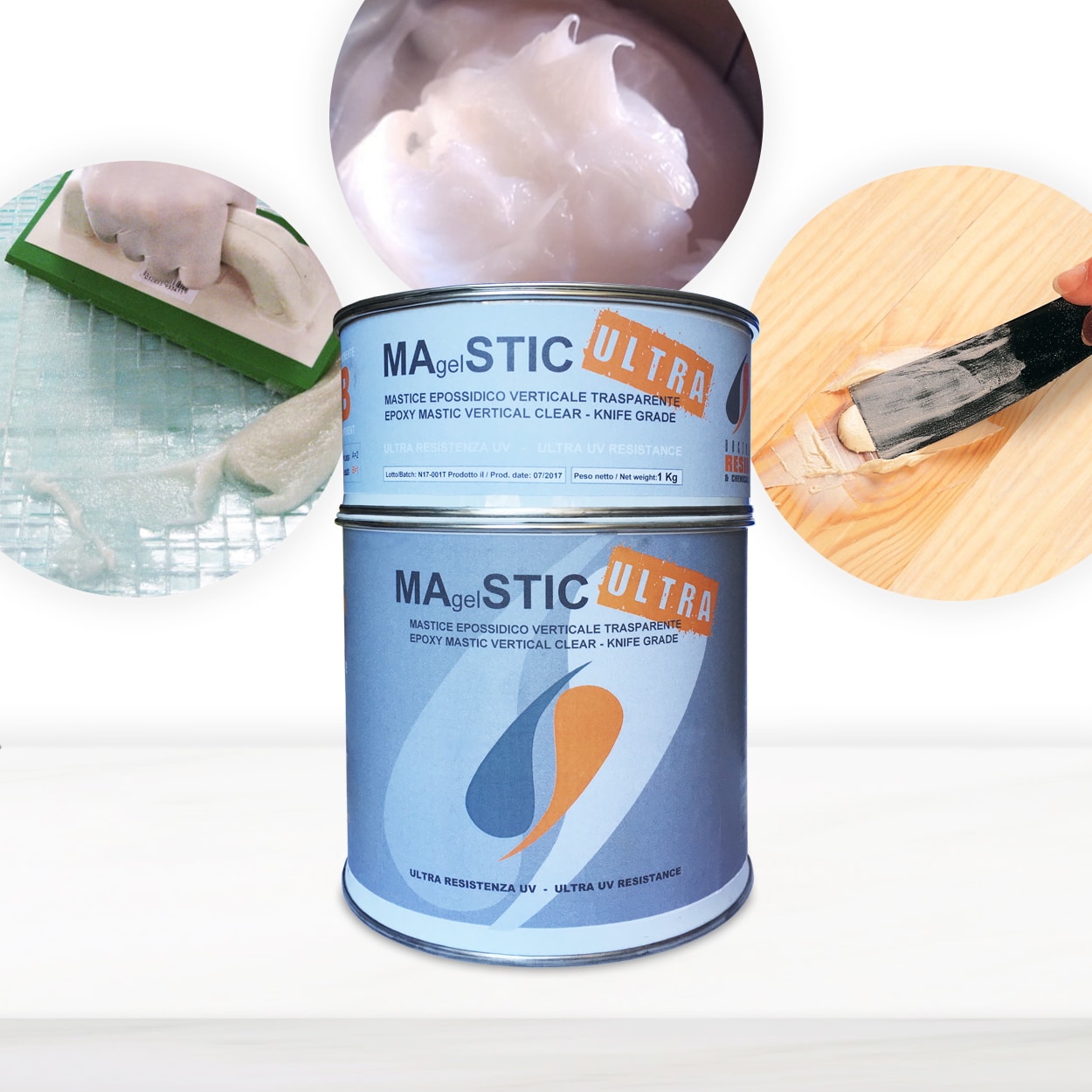
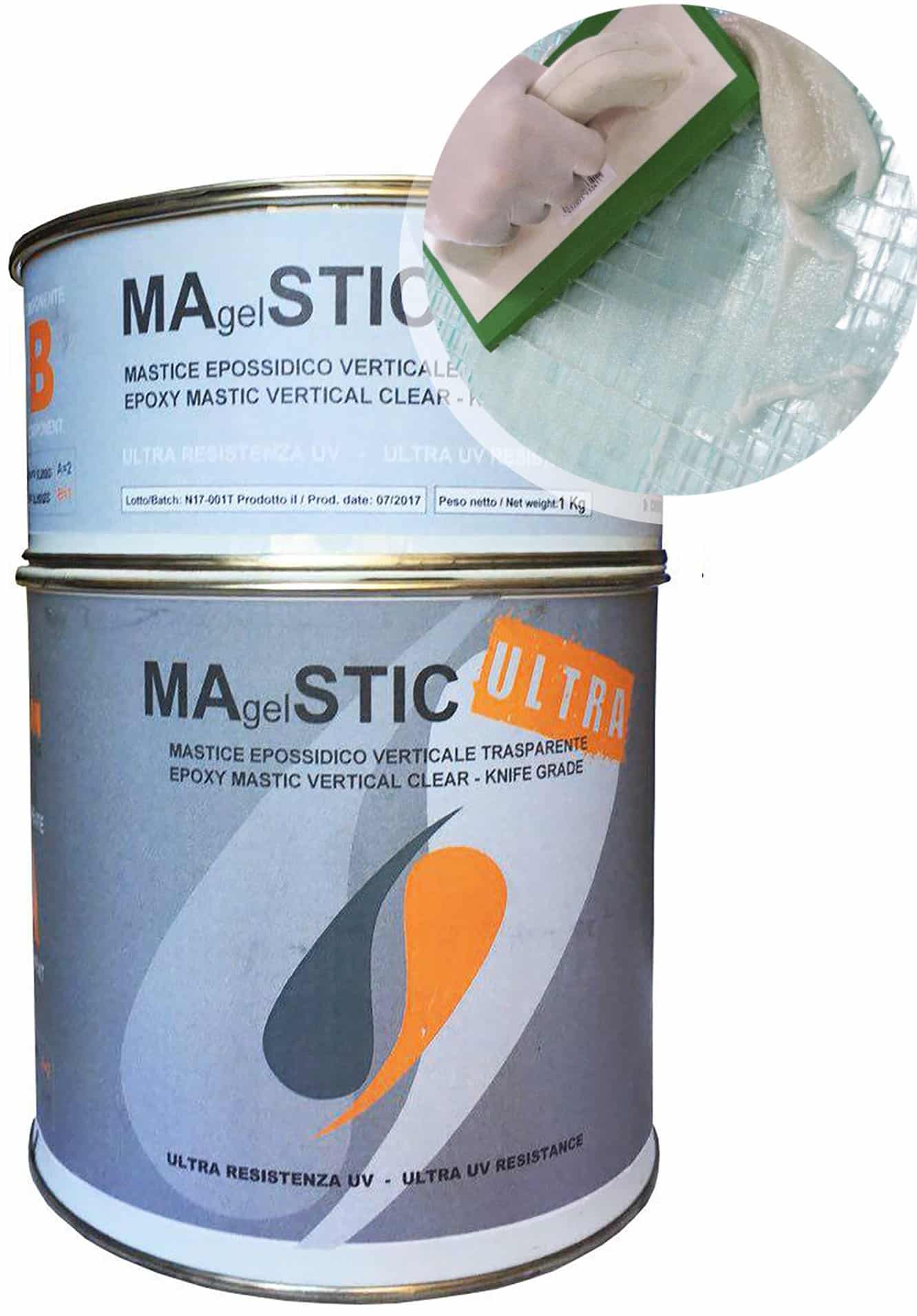
Using epoxy putty for iron repairs requires a bit of patience and care. Rushing the mixing or application process can compromise the finished result, leaving you with a weaker, less durable bond.
Why Proper Mixing Matters
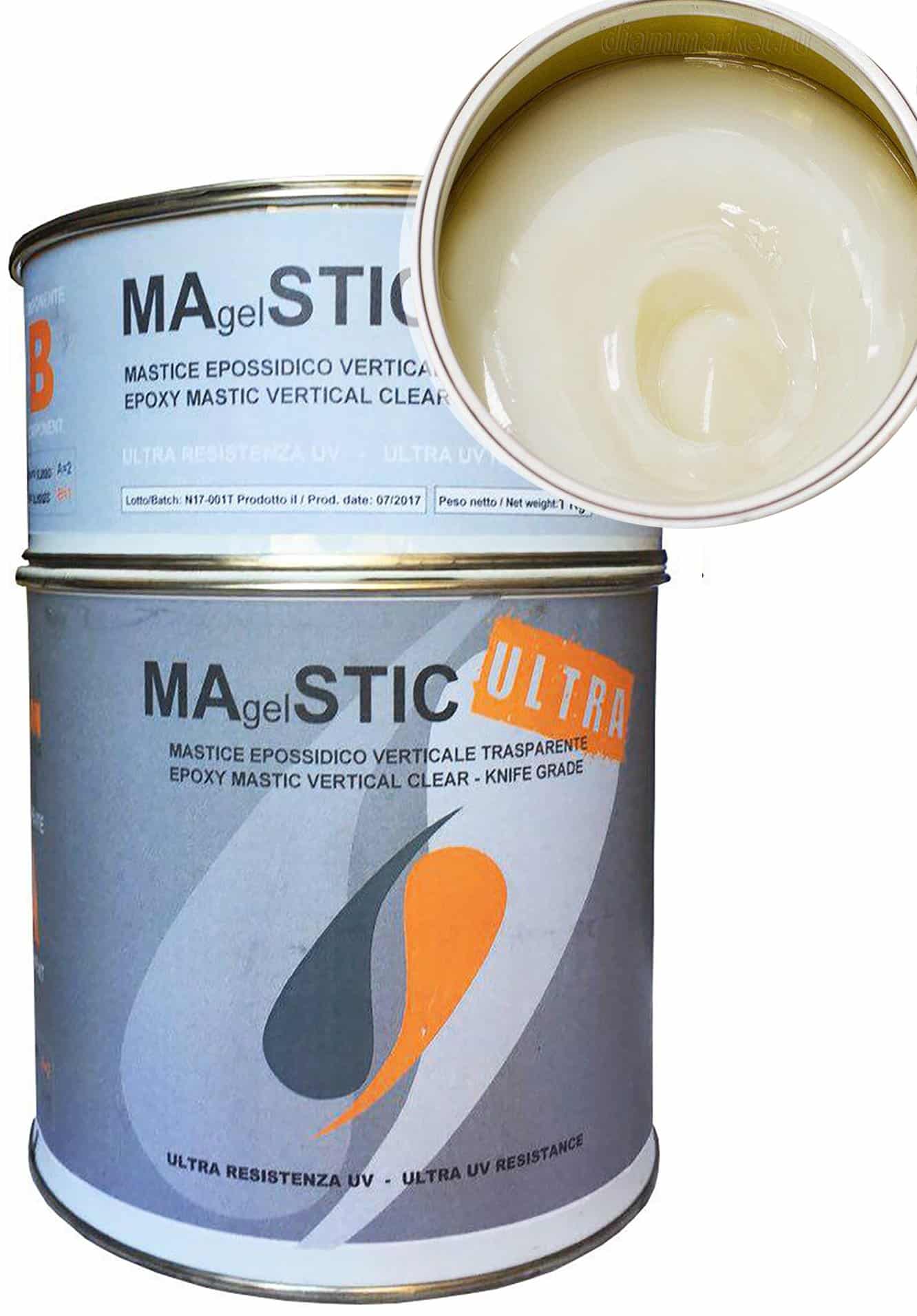
Epoxy putty works by combining two separate components in a specific ratio, such as the 100:50 ratio needed for Magelstick Epoxy Mastic. If you mix the components in a hurry or fail to blend them evenly, you risk under-activating the formula. This can lead to weak spots, incomplete curing, and reduced longevity of the repair.
- Always measure each part accurately.
- Thoroughly knead or stir until colour and consistency are uniform throughout.
- Never prepare more putty than you can apply within its working time.
Application Tips for Best Results
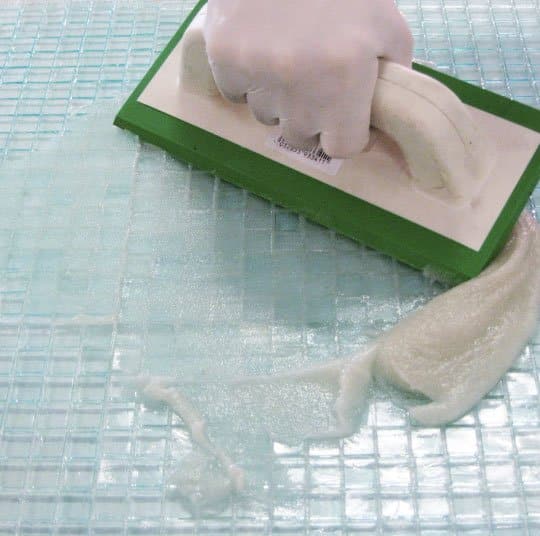
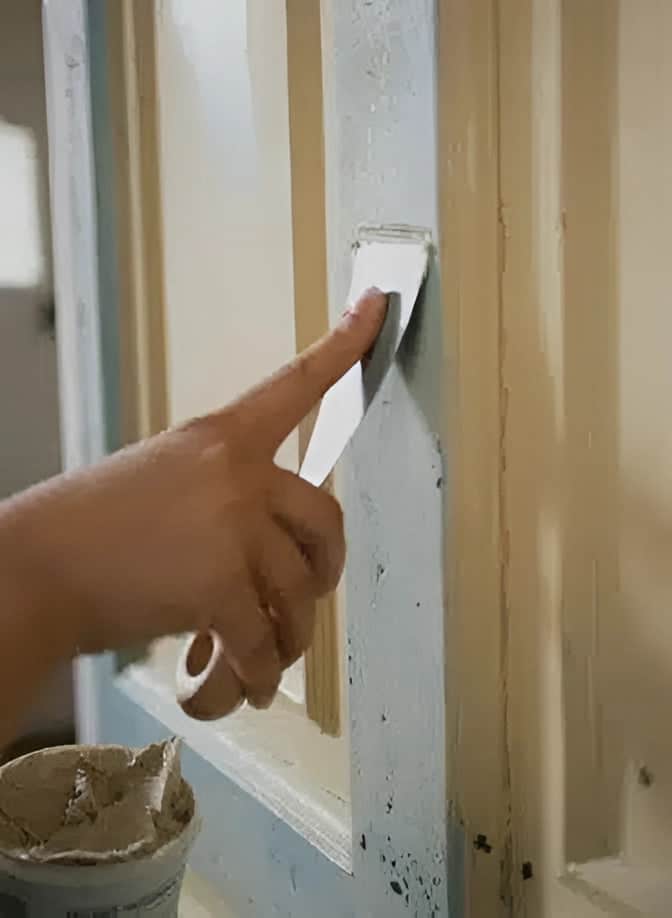
Even the best-mixed epoxy can fall short if application is rushed. Surfaces should be clean, dry, and free from loose debris to ensure optimal adhesion. Apply the putty or mastic evenly, pressing it firmly into any gaps or cracks. Take a few moments to smooth and shape before it starts to set, especially on vertical surfaces where products like Magelstick’s thixotropic formula can help prevent sagging.
When This Matters Most
Taking time with mixing and application is especially critical for structural repairs, outdoor fixtures, or situations where water and weather resistance are required. For smaller decorative repairs, imprecise mixing may be less of a concern, but lasting strength and durability always benefit from a careful approach.
Related products
Related guides
By avoiding a rushed approach, you’ll help your epoxy putty repairs on iron surfaces achieve the strength and long-term durability intended. For more on techniques and product options, explore our main guide on using epoxy putty for iron.