 Free shipping on orders over £29,85
  Shipping Tracking!


 Google
 Facebook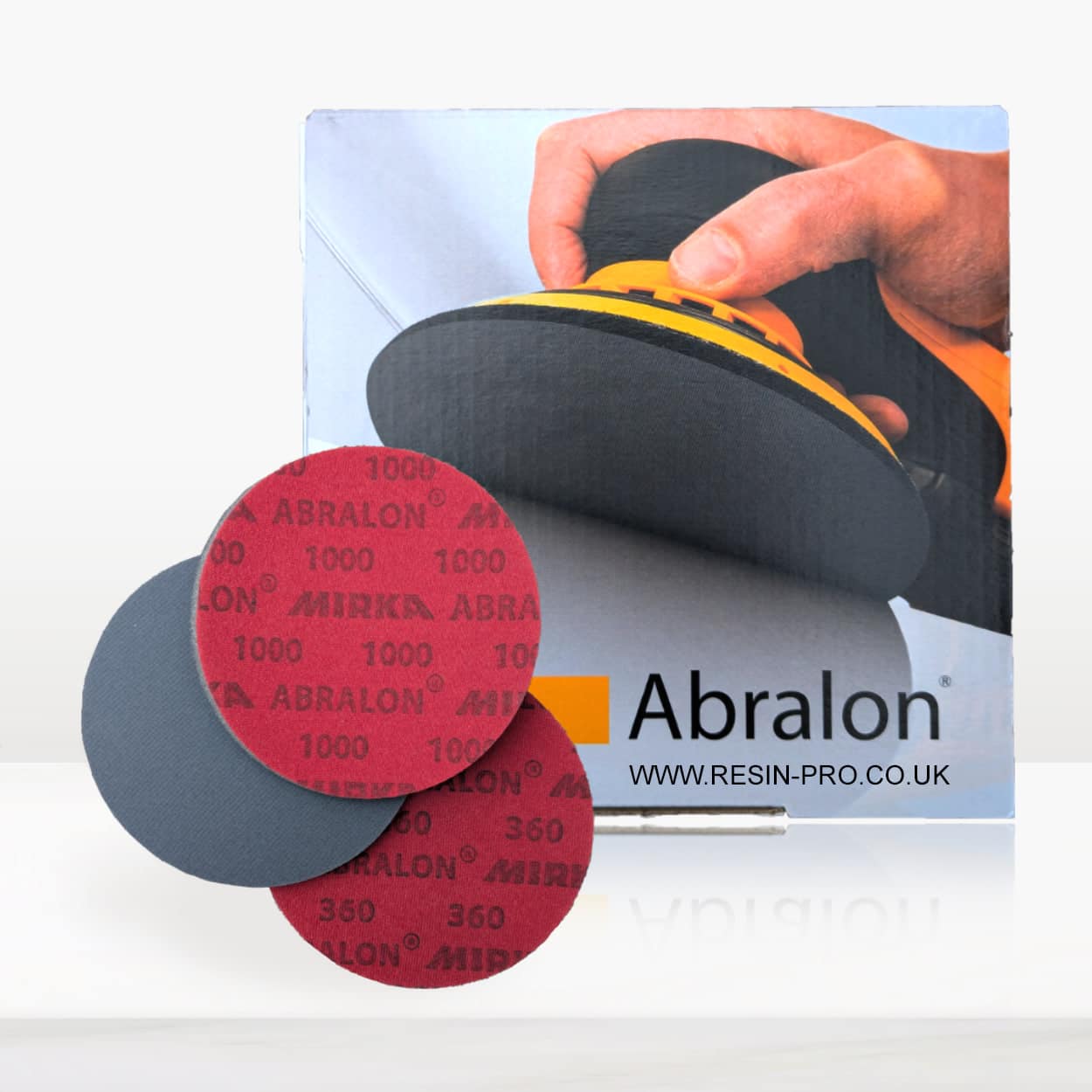
When sanding resin, patience pays off. Transitioning too quickly between sanding grits can lead to unsightly scratches and extra work later on. Here’s how to approach the process for a smooth, flawless finish.
Why Sequential Sanding Matters
Sanding resin is a gradual process that relies on each grit removing the marks left by the previous one. Skipping steps or leaping from a coarse to a fine grit may leave visible scratches, making it almost impossible to achieve a perfectly smooth surface. By progressing methodically through each grit, you allow each pad or sheet to refine the surface, preparing it for the next, finer abrasion.
Best Practices for Grit Progression
- Start with a grit coarse enough to eliminate imperfections, but not so rough that you introduce deep scratches.
- Move up one grit size at a time (for instance, from 360 to 600, then to 1000, and so forth), ensuring all marks from the previous step are removed before advancing.
- Using products like the “Ebonite Abralon” Sanding Pads or A4 Waterproof Sanding Paper can help achieve even, controlled results.
- For superior finishes, consider alternating between dry and wet sanding to clear debris and reduce clogging.
When This Matters Most
Taking your time between grits is particularly important when preparing resin for high-gloss polishing or when creating detailed pieces, such as jewellery or table inlays. Careful sanding at each stage ensures clarity and a professional standard of finish, especially noticeable on glossy and transparent surfaces.
Related products
Related guides
Resist the urge to hurry when sanding resin—consistent results and a beautiful finish depend on careful grit progression. For more tips and step-by-step guidance on sanding epoxy, explore our full resin sanding guide.