 Free shipping on orders over £29,85
  Shipping Tracking!


 Google
 Facebook
← Back to How to use antifosphate resins?

Getting the temperature right is essential when curing antifosphate resin. Achieving an optimal cure helps prevent bubbles and ensures the finished piece has strength and clarity.
Ideal Curing Range
The best results with antifosphate resin are achieved by allowing the material to cure at a steady ambient temperature between 18°C and 24°C. This range creates an environment where the resin can set evenly, supporting a clear and durable finish.
- Temperatures below 18°C may slow the cure and encourage moisture-related issues.
- Going above 24°C can speed up the reaction but increases the risk of bubbles or surface imperfections.
Practical Tips for Success
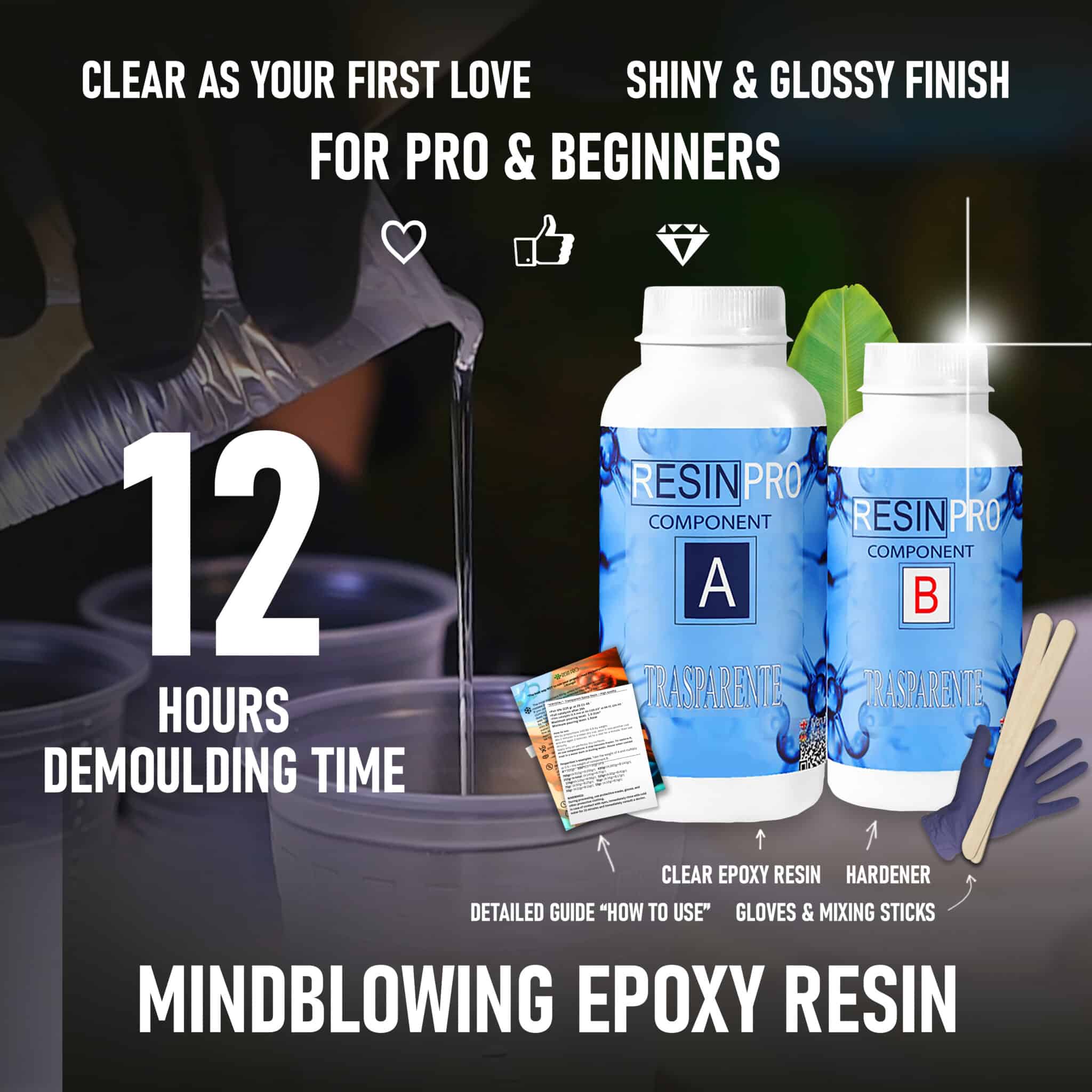
Choose a location away from direct drafts and fluctuations in temperature. Place your resin project in a space where you can reliably maintain a steady environment throughout the curing time. For projects like clear coatings or castings — for example, with “Trasparente” multipurpose clear epoxy resin — monitoring the workspace temperature is particularly important for achieving a bubble-free and glossy finish.
- Let resin components warm to room temperature before mixing.
- Avoid using heat guns or external heat sources unless recommended in product instructions.
When This Matters Most
Temperature control is especially crucial for thicker pours, artistic clear coatings, and applications where transparency is key. Adhering to the recommended range minimises flaws and enhances the look and performance of your finished piece.

Related products
Related guides
By curing antifosphate resin in the right temperature range, you set the stage for a professional-quality result. For more tips on using antifosphate resins, browse our full guide to antifosphate applications.