 Free shipping on orders over £29,85
  Shipping Tracking!


 Google
 Facebook
← Back to How do you pour resin on a table with bottle caps?
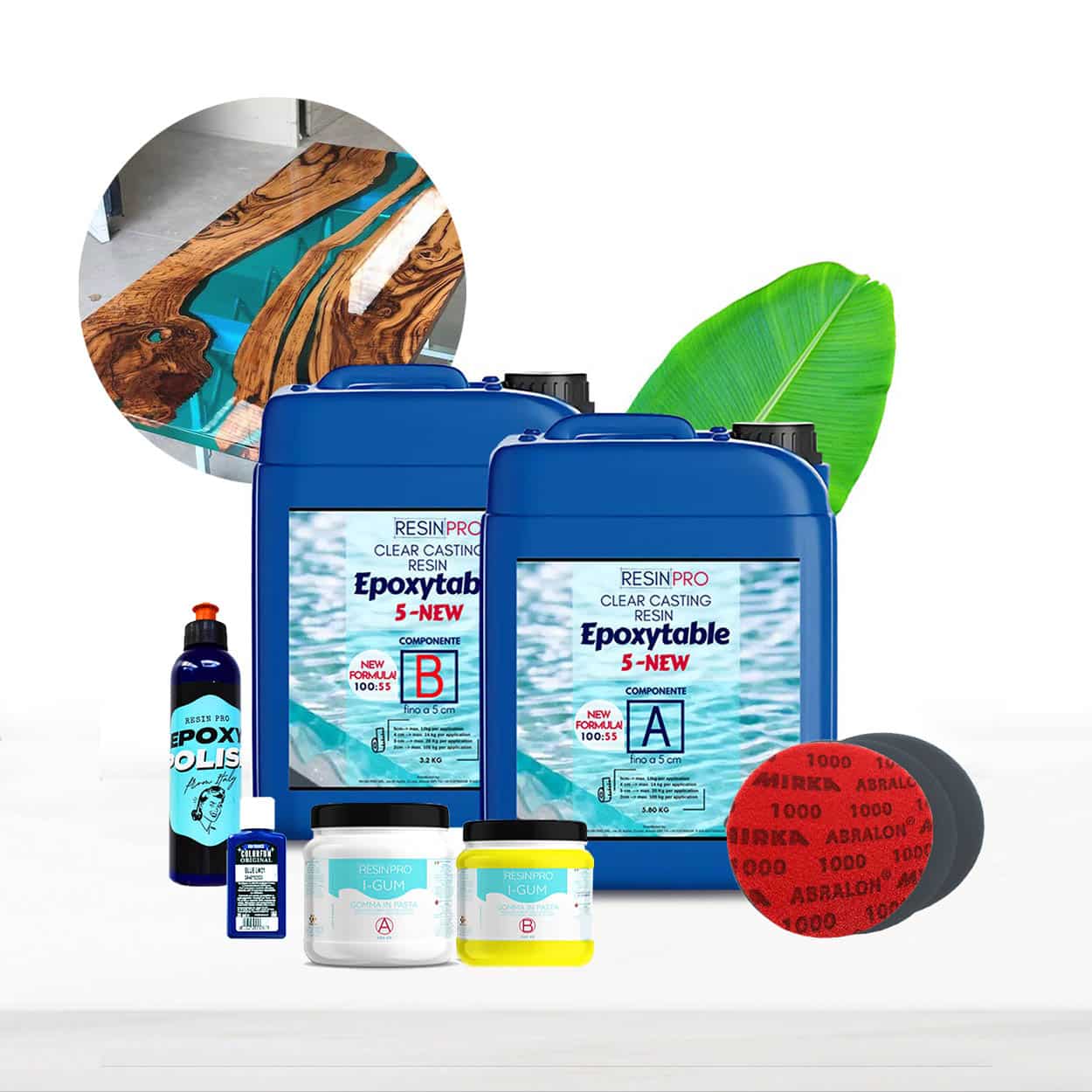
Before pouring resin for a table embedded with bottle caps, you must thoroughly seal the table base and each cap. This crucial step helps prevent leaks and unwanted bubbles, ensuring a flawless finish and secure adhesion of decorative elements.
Why Careful Sealing Matters
Resin will seek out even the smallest gap or seam. Any unsealed spot can lead to leaks, seepage under your caps, or trapped air that results in voids and bubbles. Sealing protects both your work surface and your embedded objects, resulting in a smooth, clear display and strong bond within the resin layer.
Step-by-Step: Preparing Your Surface and Bottle Caps
- Clean and dry: Begin with a spotless, dry table base. Residues of dust, grease, or moisture can interfere with resin’s adhesion.
- Seal the base: Apply a suitable sealant, such as a silicone paste or transparent adhesive film, over any joins or wood grain. This step prevents absorption and leakage. The “River-Table” Complete Kit includes silicone sealant and a special release film for ease of use.
- Attach and seal caps: Fix each bottle cap in place with a small dab of glue. To minimise trapped air or resin seepage, carefully brush a thin layer of clear resin or sealant just over the tops and edges of the caps before the main pour.
Tips for Success When Pouring
- Check for leaks: Once sealed, pour a little resin around the caps and along the formwork edges as a test. Wait for it to cure and inspect for seepage before pouring the full amount.
- Choose the right resin: For layers up to 2cm, use a clear casting resin such as “Trasparente”. For deeper pours or larger surfaces with embedded objects, consider a deep-pour resin like “EpoxyTable 5-Five”.
- Work methodically: Take your time with each step, allowing sealers to set before moving on to resin pouring for optimal results.
When This Matters Most
Meticulous sealing is especially important on uneven bases, porous woods, or if the design features large numbers of bottle caps and tight arrangements. It’s worth the extra preparation on projects intended for regular use or that will hold sentimental value.
Related products
Related guides
Thoroughly sealing the base and bottle caps sets the stage for a successful resin pour. With careful preparation, you’ll achieve a clear, professional finish—see our full guide on pouring resin on a table with bottle caps for more detailed instructions and inspiration.