 Free shipping on orders over £29,85
  Shipping Tracking!


 Google
 Facebook
← Back to How to create sea foam effects with epoxy resin?
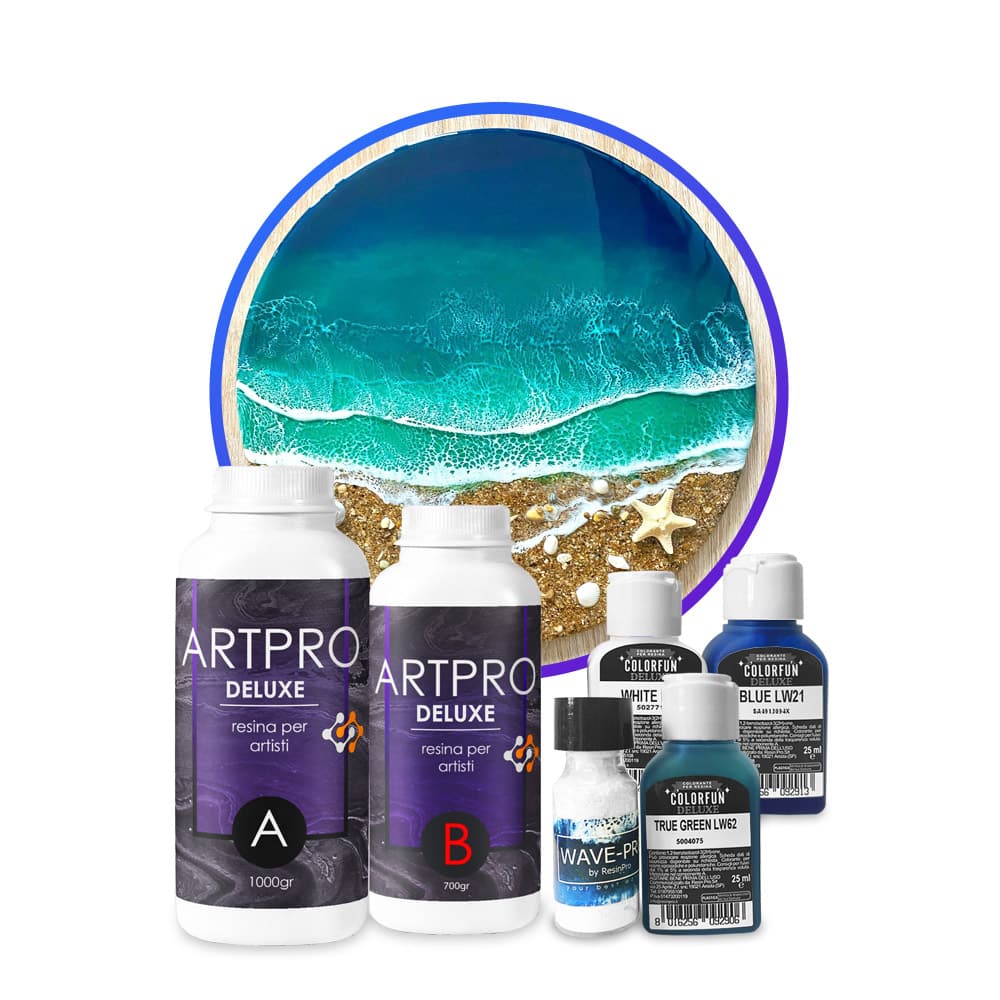
Getting a smooth, flawless finish with epoxy resin starts before the pour. Sealing your canvas or board is a key step many artists use to ensure their resin art projects look their best and last longer.
Why Pre-Sealing Matters
Porous materials such as canvas, wood, or MDF can release trapped air when you pour resin over them, causing unwanted bubbles or pinholes in your final coat. By sealing these surfaces with a thin layer of resin or an acrylic medium, you create a stable, non-porous foundation. This barrier reduces air release, resulting in a clearer, professional-looking finish.
How to Seal Your Surface
- Choose your sealer: Clear acrylic mediums or a small amount of mixed epoxy resin both work well for priming.
- Apply a thin coat: Spread the sealer evenly over the entire surface using a brush or gloved hand, paying extra attention to edges and corners where air can get trapped.
- Let it cure: Allow the sealant layer to dry thoroughly, as per product instructions, before applying your main resin pour.
If you prefer a ready-primed canvas, consider an all-in-one kit like the “Sea” Resin Art Kit, which includes prepped surfaces ideal for ocean-inspired effects.
When This Matters Most
If you’re planning detailed resin art—such as intricate wave or sea foam designs—sealing becomes even more critical. Uneven absorption or bubbles can disrupt your pigments and additives, making it harder to achieve crisp, lifelike details.
Related products
Related guides
Taking the extra step to seal your canvas or board gives you the best start for a successful resin art project. For more creative tips on ocean effects with epoxy, visit our guide on how to create sea foam effects with epoxy resin.