 Free shipping on orders over £29,85
  Shipping Tracking!


 Google
 Facebook
← Back to How to paint a resin piece of furniture?
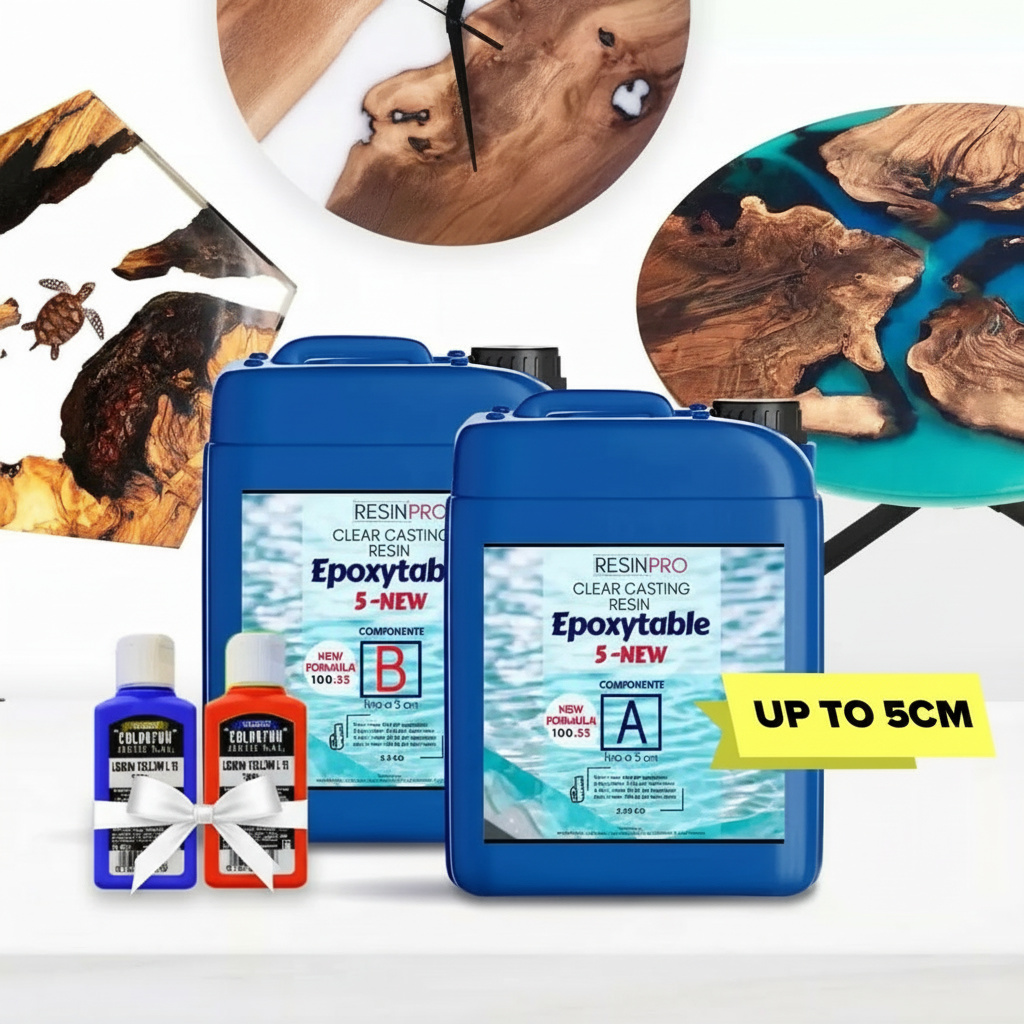
Applying paint to resin furniture is a popular way to personalise and refresh your pieces. Before you begin, it’s important to know whether or not primer is necessary for a long-lasting finish.
Why Primer is Essential on Resin Surfaces
Resin is non-porous, which can make it challenging for paint to properly adhere. Using a suitable primer creates a surface that allows paint to bond effectively, helping to prevent peeling or flaking as time goes on. Skipping this step can lead to a patchy appearance and reduced durability, especially on items subjected to regular use such as tabletops, chairs, or decorative pieces.
Choosing and Applying the Right Primer
Select a primer designed specifically for glossy or non-porous surfaces, as this type will best prepare resin furniture for painting. Start by cleaning the piece thoroughly and lightly scuffing the surface with fine sandpaper – this helps the primer grip even more. Apply the primer evenly according to the manufacturer’s instructions, allow it to dry fully, and only then proceed with your chosen paint.
After painting, a protective layer of resin such as “Icrystal” clear epoxy resin can enhance durability and finish, especially on furniture where a glossy, scratch-resistant surface is desired.
When does priming matter most?
- Outdoor furniture: Exposed to varying weather, priming safeguards the finish.
- High-touch surfaces: Chairs, tables, and frequently handled items benefit most from improved adhesion.
- Decorative finishes: Ensures even colour and crisp lines for painted designs or details.
Related products
Related guides
Taking the time to use primer before painting your resin furniture ensures a beautiful, durable result. For a step-by-step guide on transforming resin furnishings as well as recommended products, see our main page on how to paint a resin piece of furniture.