 Free shipping on orders over £29,85
  Shipping Tracking!


 Google
 Facebook
← Back to how do I use resin with round Fimo?
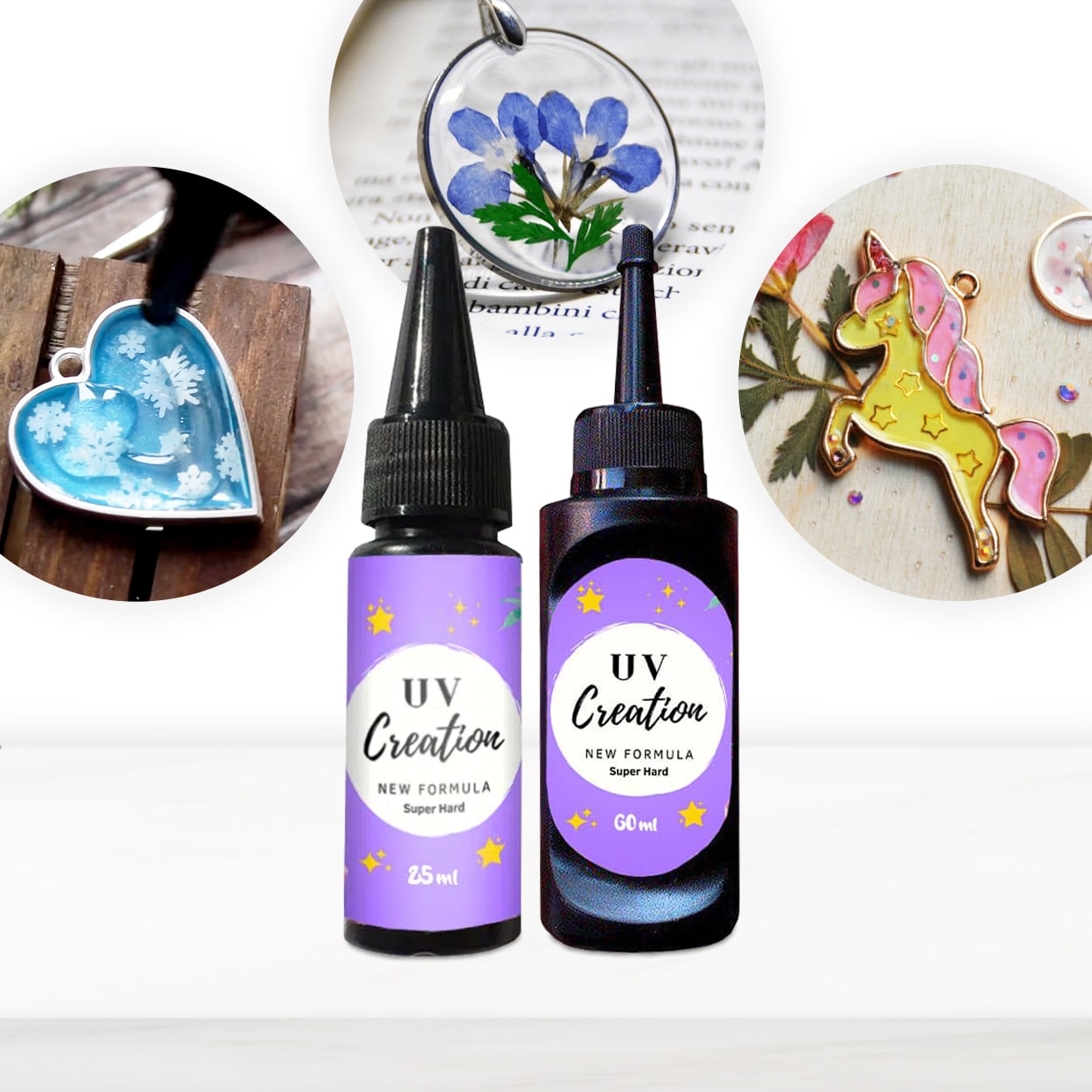
Deciding between UV resin and epoxy resin when crafting with Fimo clay depends on your project’s requirements—whether you need a quick glossy topcoat or a deeper, encapsulating finish.
Choosing Between UV and Epoxy Resin
UV resin cures rapidly under a UV lamp—typically within minutes—making it an excellent choice for adding glossy domes or surface highlights to Fimo pieces. It’s ideal for thin, even coats, enhancing your clay’s surface with speed and clarity. Contrastingly, epoxy resin requires mixing and cures over several hours, but it’s better suited for embedding Fimo elements or applying thicker, protective layers.
Practical Application Tips
- When you want crystal-clear coverings or to encapsulate items inside resin, epoxy like the “Trasparente” Multipurpose Clear Epoxy Resin delivers durable, smooth results up to 2 cm thickness.
- For surface gloss, rapid doming, or creating raised patterns, UV resins such as “UV–Creation” transform your Fimo with minimal wait and no need for mixing.
- Carefully check your layer thickness—UV resin is best for very thin layers and details, while epoxy resin is suited to both thin coats and thicker pours.
When This Matters
If you’re making jewellery, charms, or want to quickly seal a Fimo piece with a glossy finish, UV resin streamlines your creative flow. For embedding keepsakes, inclusions, or building up depth in your designs, epoxy resin offers solid, glass-like protection and greater control for deep embedding.
Related products
Related guides
Ultimately, your choice of resin on Fimo comes down to project depth and drying time preferences. Explore further tips and compatible products in our guide on how to use resin with round Fimo for more inspiration.