 Free shipping on orders over £29,85
  Shipping Tracking!


 Google
 Facebook
← Back to What is the ideal temperature for curing liquid resin?


Getting the right temperature for your resin and hardener before you start mixing can make a real difference to the quality and finish of your epoxy projects. Here’s why pre-warming is worth considering.
Why Bring Resin to Room Temperature?
Resin and hardener work best when they are brought to room temperature, typically between 18–22°C. Cold materials can feel thicker or cloudy, making mixing harder and sometimes trapping air bubbles. Pre-warming helps ensure your resin mixes smoothly, sets evenly, and gives your project a clear, high-quality finish.

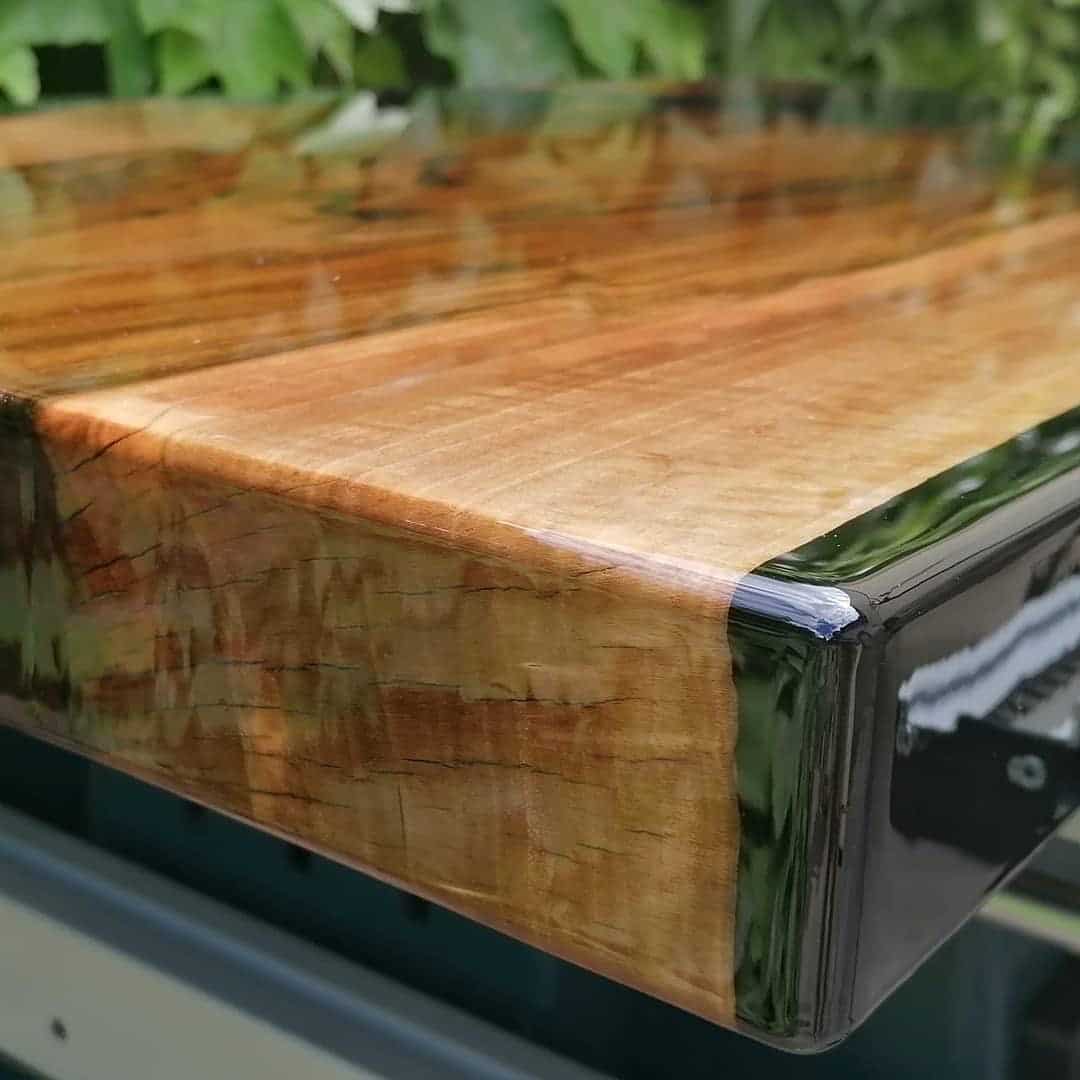
How to Safely Warm Resin Before Mixing
Simply placing your sealed bottles in a warm room is often enough. For a faster approach, you may gently set the bottles in a shallow bowl of warm (not hot) water for a few minutes—never use direct heat or boiling water. Alternatively, a workspace heating solution like the “Rhino” 2kW Fan Heater allows precise control and keeps your entire work area at an ideal temperature for mixing and pouring.
When This Matters Most
- You’re working in a cold garage or studio during winter.
- You notice your resin is unusually thick or produces lots of bubbles after mixing.
- Your project requires a clear, bubble-free finish—such as jewellery, tabletops, or art pours.

Related products
Related guides
Warming your resin and hardener to a comfortable room temperature before mixing can improve both the process and the result. For more on achieving the perfect cure for your resin, see our parent guide: What is the ideal temperature for curing liquid resin?.