 Free shipping on orders over £29,85
  Shipping Tracking!


 Google
 Facebook
← Back to How do you repair a resin bathtub?

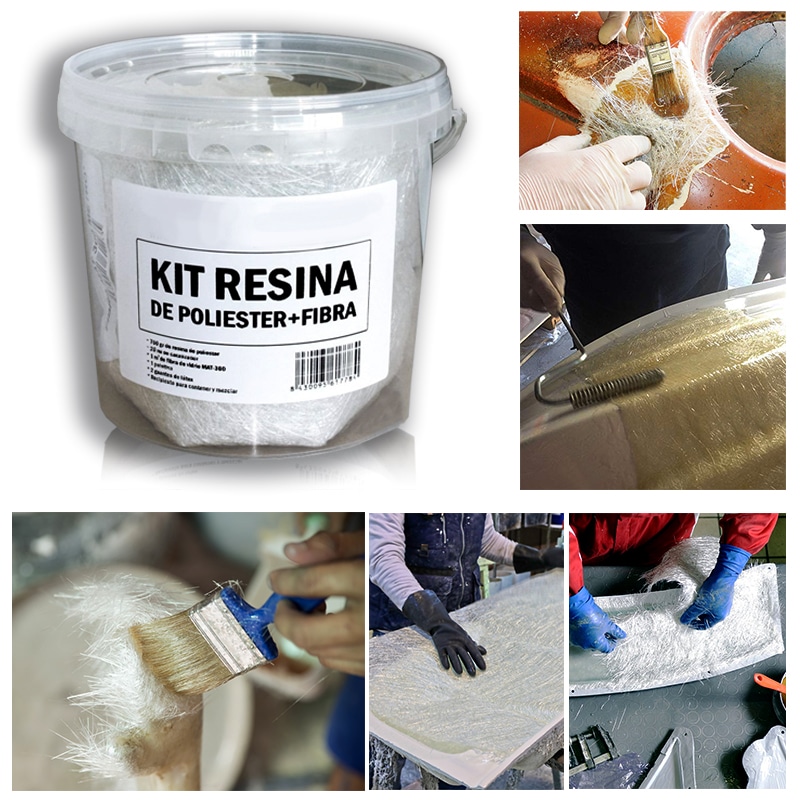
When you repair a resin bathtub, you may notice the mended area stands out against the original surface. Painting or resealing plays a crucial role in protecting and blending these spots for a durable, attractive finish.
Why Painting Over Repaired Resin Is Recommended
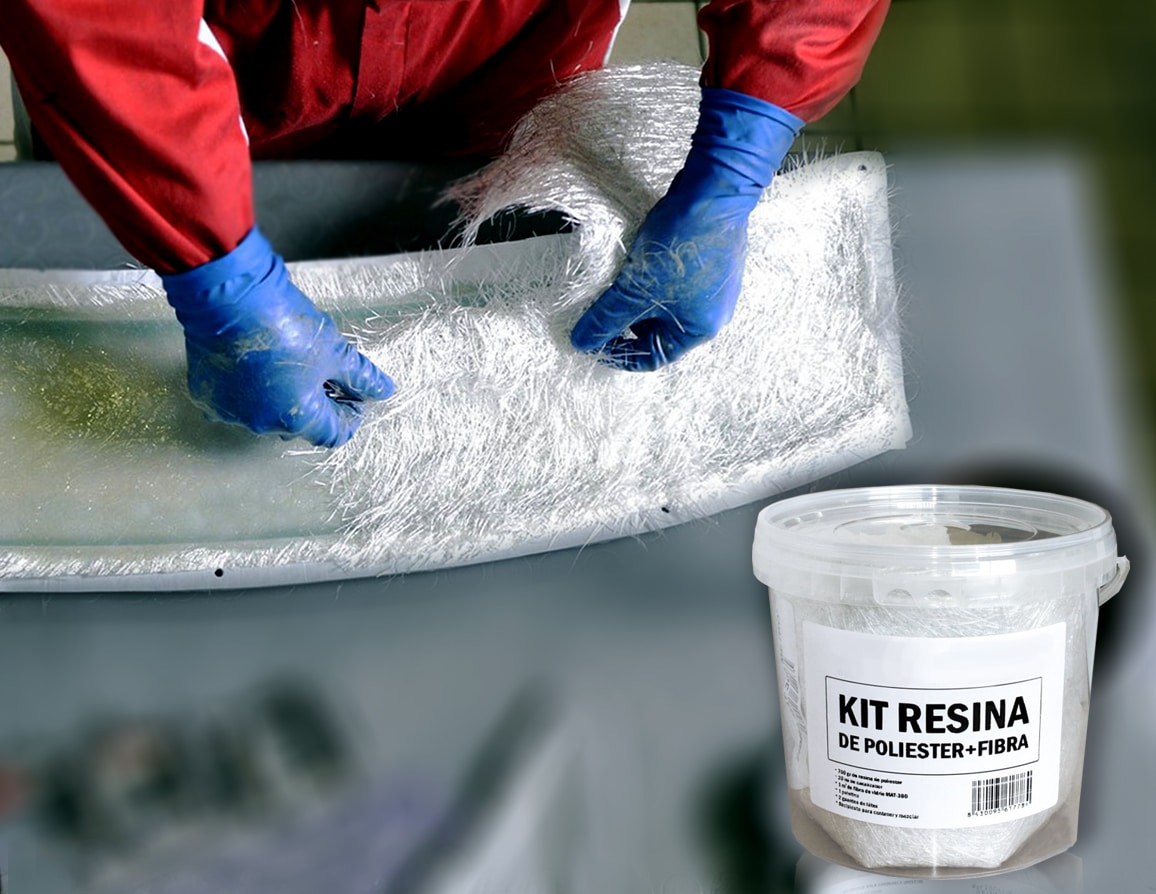
Once you’ve addressed chips, cracks or holes in a bathtub with suitable products like the CROP 2K Fiberglass Putty or a fibreglass repair kit, the repair area often has a different texture or sheen from the rest of the surface. Applying a suitable paint or sealant helps ensure the area remains moisture-resistant, reducing the risk of future water ingress and protecting the underlying repair.
Blending and Protecting the Repaired Area
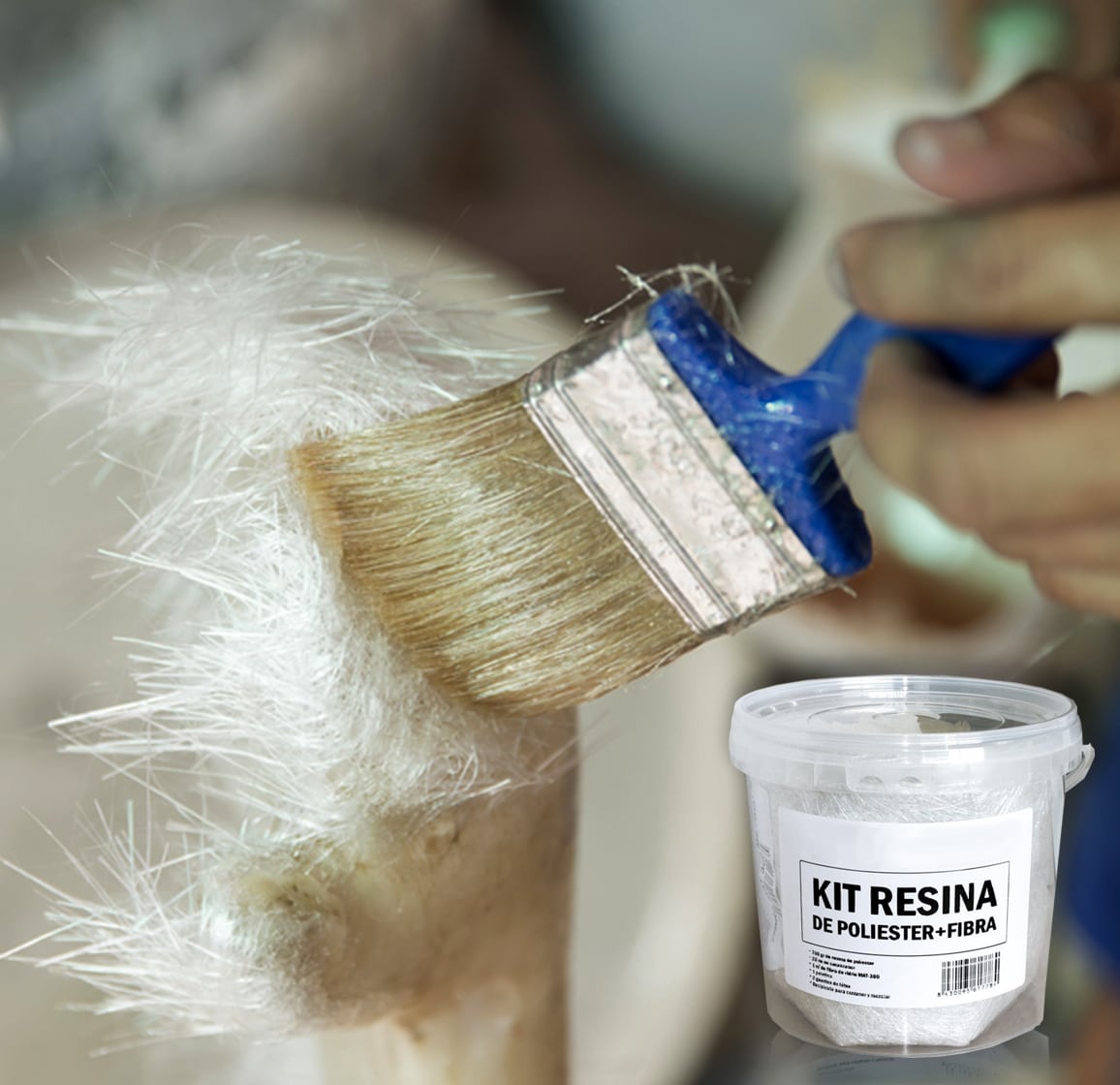
Painting blends the repaired spot with the rest of your bathtub, improving aesthetics and restoring a smooth, uniform appearance. Quality bathroom paint or finishing products designed for use on resin or acrylic surfaces typically offer the best result. Be sure to sand and clean the area carefully before painting to ensure good adhesion and a flawless finish.
What to Consider Before You Paint
- Allow all repair products to fully cure before applying paint or sealant.
- Use only paints or sealants compatible with resin or fibreglass materials.
- Test the paint on a small, inconspicuous area if you are unsure about the finish or adhesion.
When This Matters
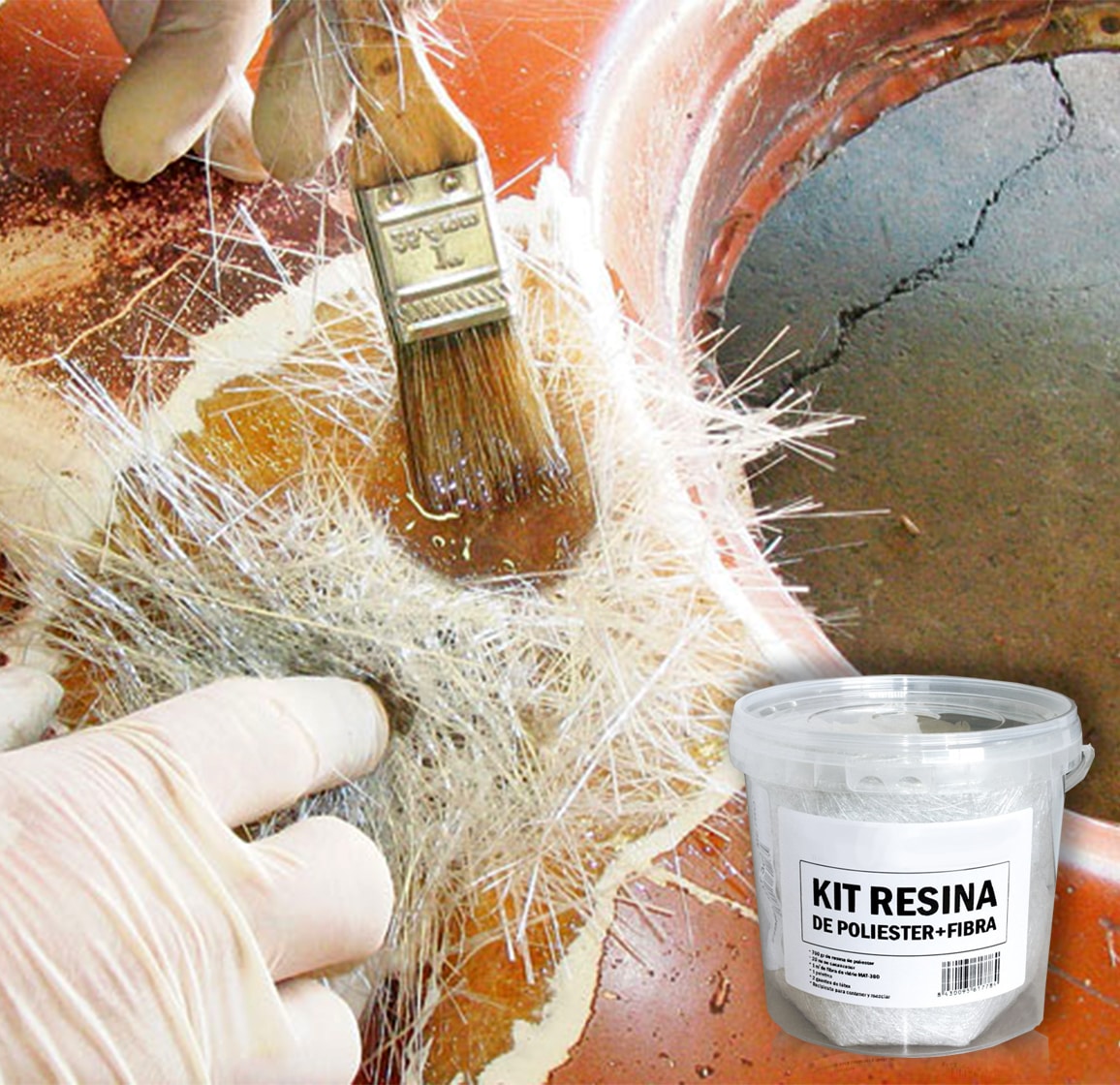
Resealing or painting is especially important in areas exposed to frequent water contact or cleaning, such as around drains or on high-use surfaces. Neglecting this finishing step can leave repairs more visible and vulnerable to moisture damage.
Related products
Related guides
Completing your repair with an appropriate paint or sealant ensures your resin bathtub stays protected and looks its best. For more tips and recommended repair kits, visit our main guide on how to repair a resin bathtub.