 Free shipping on orders over £29,85
  Shipping Tracking!


 Google
 Facebook
← Back to What moisture content should the wood have before encapsulating it in resin?
Choosing the correct wood is a crucial first step when preparing for any resin casting project. Inadequate wood condition can result in a disappointing or failed outcome—spotting early warning signs is key.
Common Indicators of Unsuitable Wood
Before starting your resin casting, inspect the wood for moisture. If you notice a damp feel, visible droplets, or a heavy musty odour, the wood likely hasn’t dried sufficiently. Discolouration and soft, spongy areas may suggest ongoing decay or mould growth, which can continue to spread even after casting.
- Visible surface moisture or condensation
- Musty or mouldy smells
- Dark, discoloured patches
- Soft or punky texture on parts of the wood
Using a Moisture Meter and Surface Inspection
For a reliable check, use a moisture meter to gauge the internal moisture level of your wood. High readings are a strong indication that further drying is needed. Even if the outside seems dry, moisture inside can cause bubbling, cloudiness, or resin separation when you pour. Always sand and examine the wood’s surface for signs of softness or active biological growth.
Treating and Preparing Marginal Wood
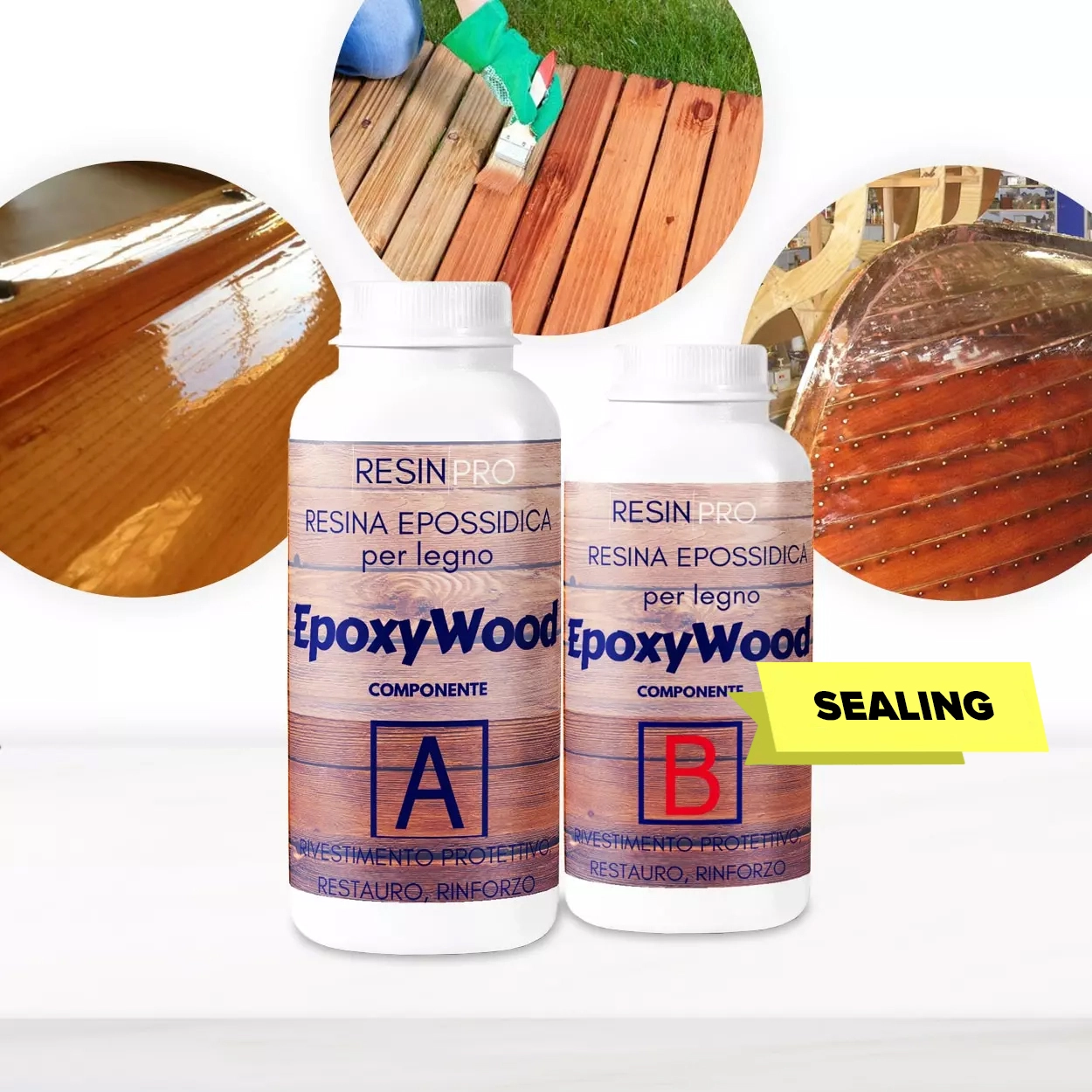
If you discover minor soft patches or slight surface imperfections but still want to salvage your material, products like EpoxyWood wood restoration epoxy can help. Made for reinforcing and waterproofing wood, it deeply penetrates to stabilise problem areas, creating a better foundation for resin pouring. However, do not attempt to cast over wood that remains damp or has active mould—these issues must be solved first for the resin to bond and cure correctly.
When This Matters
If you’re working on river tables, decorative pieces, or practical items like countertops, unsuitable wood may compromise the durability and appearance of your casting. Proper wood selection is especially vital when the finished piece will experience stress, moisture, or temperature shifts.
Related products
Related guides
Maintaining strict standards when selecting and preparing your wood ensures a stable, professional resin finish. For more on preparing wood specifically for resin casting, see our parent page on moisture content requirements.