 Free shipping on orders over £29,85
  Shipping Tracking!


 Google
 Facebook
← Back to Differences Between Resins: Choose the Right Resin!
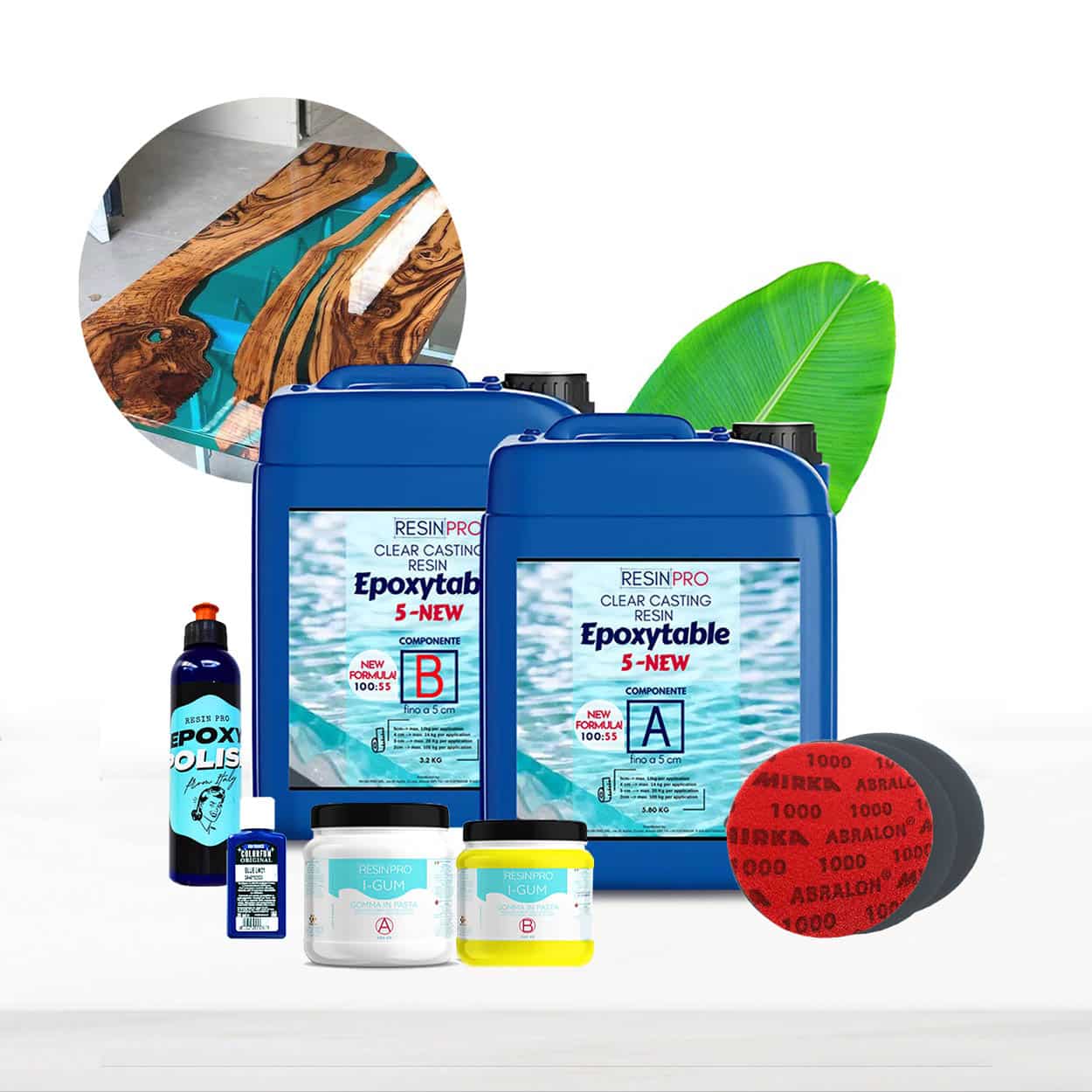
Achieving clean and precise results in resin casting or river table projects relies on a fully sealed formwork. Silicone rubber is the preferred material for quickly and reliably sealing form edges, ensuring your resin stays exactly where it’s meant to.
Why Use Silicone Rubber for Form Sealing?
Silicone rubber has excellent flexibility and adhesion to most construction surfaces, making it ideal for sealing joints and gaps in formwork. Its resistance to resin and easy removal once cured mean leaks are unlikely and you aren’t left with residue on your final piece. By creating a secure barrier, silicone rubber helps prevent resin escape, reducing the risk of waste and uneven edges around your cast.
How to Apply Silicone Rubber for Leak Prevention
- Clean the edges of your formwork to remove dust or grease for proper adherence.
- Lay a continuous bead: Apply silicone rubber smoothly along every join—including corners and where the form meets the base.
- Smooth out: For best results, use a gloved finger or tool to press the silicone firmly into gaps, creating a flush, watertight seal.
- Allow to cure: Follow the product instructions for full curing before pouring resin.
Many starter kits, like the River-Table Complete Kit, supply a compatible silicone sealant alongside epoxy resin, pigments, and instructions—ideal for first-time projects.
When Formwork Sealing Matters Most
Proper sealing is especially important for deep or large table pours, such as with projects using EpoxyTable 5-Five. Even minor leaks can quickly become expensive in terms of lost resin and project time. Thorough sealing gives peace of mind and a more professional finish.
Related products
Related guides
Mastering reliable formwork sealing with silicone rubber is a simple but critical step to success in any resin project. To explore more about resin types and best practices, visit our main guide on choosing the right resin.