 Free shipping on orders over £29,85
  Shipping Tracking!


 Google
 Facebook
← Back to Where to buy resin and wood lamps?
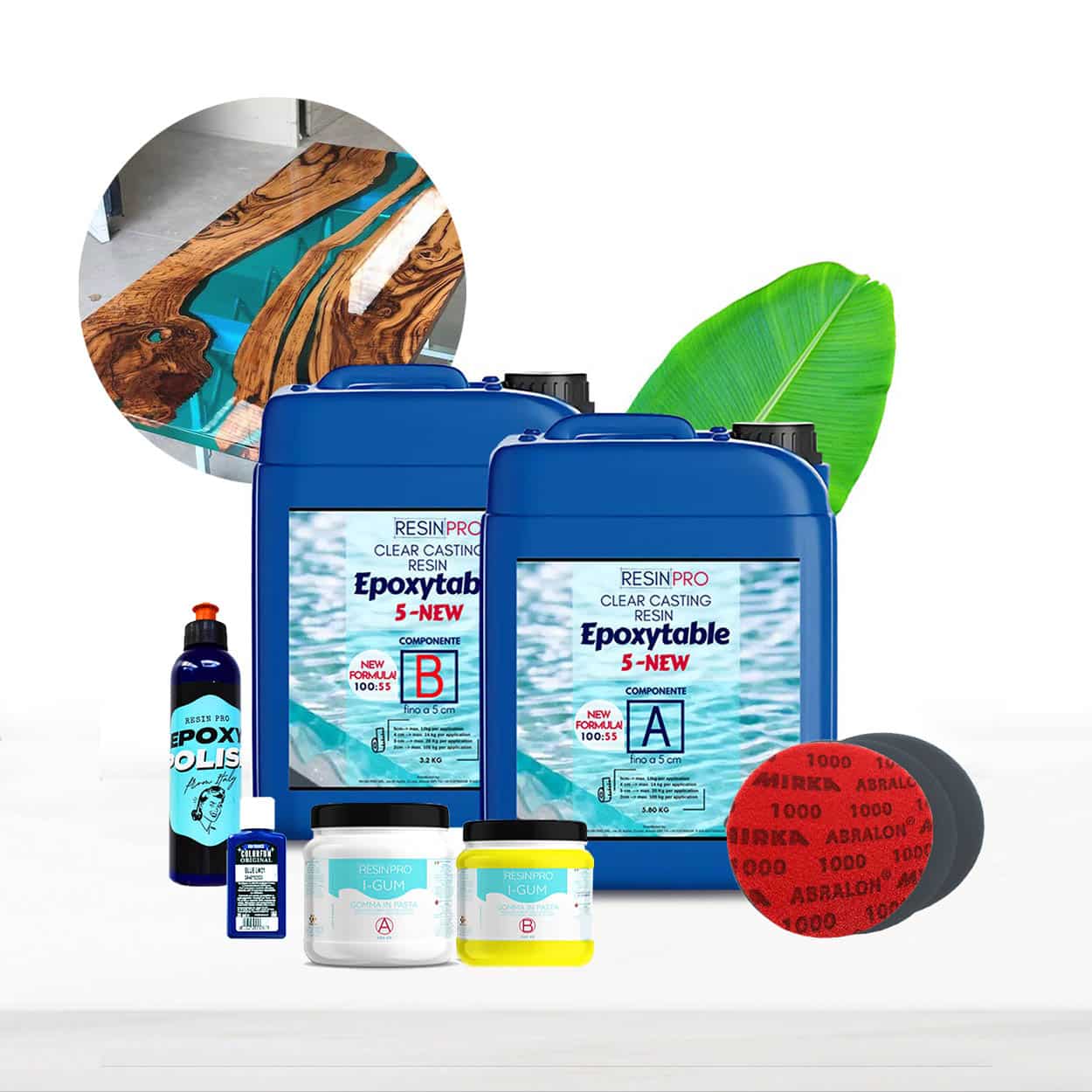

Using silicone rubber to seal your formwork is essential for producing sharp edges and securely containing epoxy resin, especially in projects like resin and wood lamps or tables. Let’s explore why silicone is the go-to option, and how to get reliable results every time.
Why Use Silicone Rubber for Formwork Sealing?
Silicone rubber is valued for its flexibility and ease of application, making it ideal for sealing the joints and edges of formwork used in resin casting. Unlike tapes or standard sealants, it creates a watertight barrier that prevents leaks, helping you achieve tidy and bubble-free results.
- Adheres to a range of materials including wood and plastic
- Removes cleanly without damaging your mould
- Stays flexible to accommodate expansion or slight movement


How to Apply Silicone Rubber Effectively
Apply a generous bead of silicone rubber along all internal edges and seams of your assembled formwork—particularly where panels meet or at potentially weak points. Smooth the bead with a gloved finger or tool, ensuring even coverage. Allow the silicone to cure fully before adding your epoxy resin to guarantee a complete seal.
A beginner’s kit for resin tables often includes specialist silicone sealant to simplify this step, making it accessible even for newcomers to resin work.
When Does Reliable Sealing Matter Most?
Ensuring a leak-proof formwork is particularly important when pouring medium or deep layers of epoxy, as any weak point can let resin seep out. This not only leads to wasted material but can also damage your workspace and compromise the strength or appearance of your finished lamp or table.

Related products
Related guides
Using high-quality silicone rubber for your resin projects helps ensure clean edges and less mess, which is especially beneficial when working on unique resin and wood lamps. For more guidance and supplies, explore our main hub on where to buy resin and wood lamps.