 Free shipping on orders over £29,85
  Shipping Tracking!


 Google
 Facebook
← Back to How do you put very thick resin on a countertop?
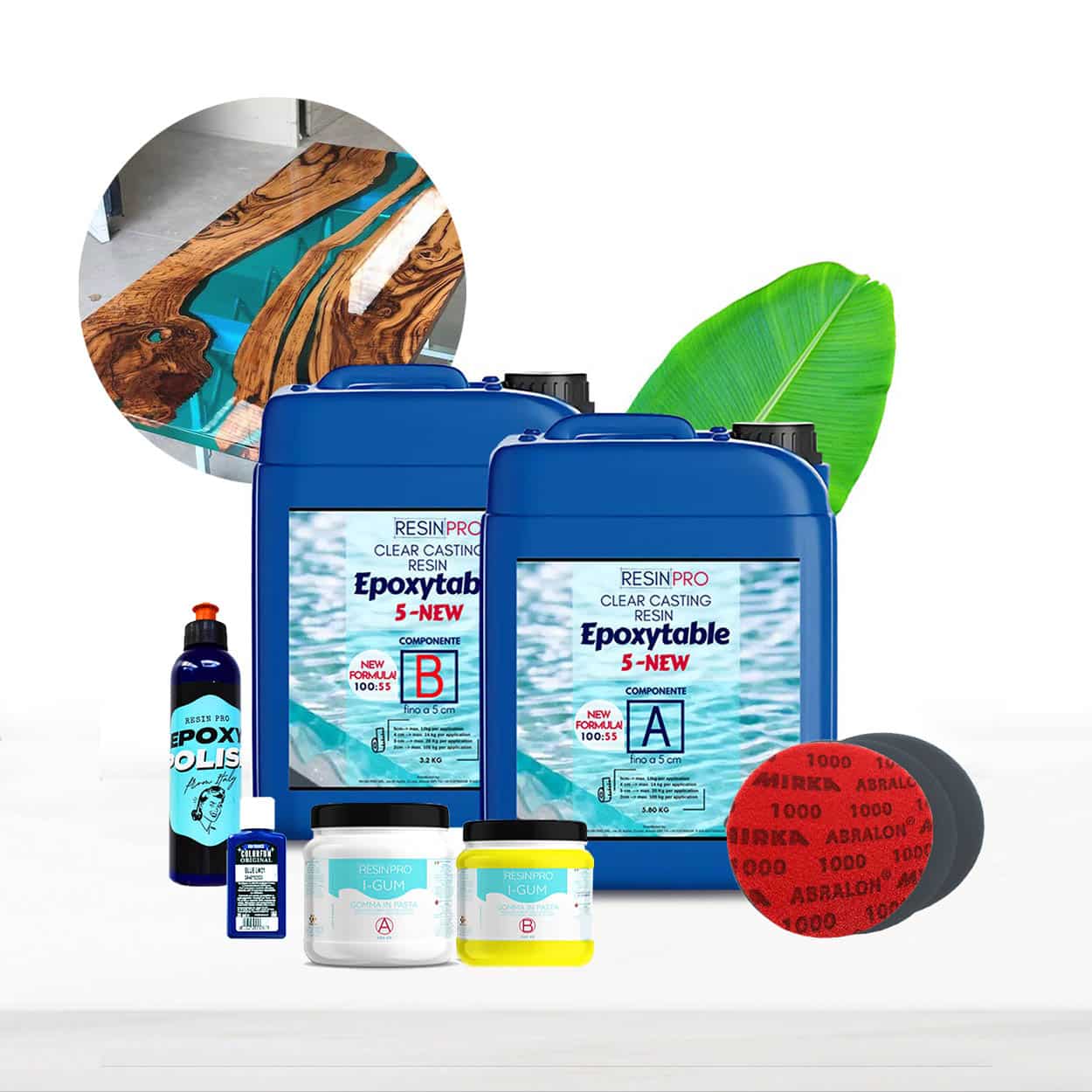
Getting a leak-free mould is crucial when pouring thick resin for countertops or tables. Silicone rubber is an essential material for reliably sealing your formwork, helping you achieve a smooth, professional result.
Why Silicone Rubber Matters in Resin Projects
When working with deep pours—especially with resins like EpoxyTable 5-Five—resin can find its way through any gaps in the formwork. Silicone rubber provides a flexible, tight seal around joints and corners, preventing resin leaks that can waste materials and create a mess. Its adaptability to different surfaces makes it especially valuable for wood and resin table projects, where perfect edges are desired.
How to Seal Your Formwork with Silicone Rubber
To achieve a proper seal, apply silicone rubber along the edges and seams of your assembled mould. Press the silicone firmly into any gaps and smooth it with a gloved finger or a suitable tool. Allow it to cure as per the manufacturer’s recommendations before pouring resin. The included silicone in the River-Table Complete Kit is designed for easy application and reliable sealing.
- Check for gaps or edges where resin could escape.
- Apply a continuous bead of silicone across all seams.
- Allow the sealant to fully cure before continuing your project.
When Reliable Sealing Matters Most
Reliable sealing becomes increasingly important the thicker the resin layer you pour. Deep-pour resins—like those suited for layers up to 5–10cm—exert significant pressure on your formwork, so a proper silicone seal is critical to avoid unexpected leaks, warped boards, or undesired edges.
Related products
Related guides
Using silicone rubber ensures your formwork is leak-free and sets you up for resin pouring success. For more on working with very thick resin layers, see our guidance on countertop resin projects.