 Free shipping on orders over £29,85
  Shipping Tracking!


 Google
 Facebook
← Back to How to spray epoxy resin?
Spraying epoxy resin can be a practical and effective way to coat wood or concrete surfaces, provided the right formula is chosen and the surface is properly prepared. This guide explains when and how spraying is suitable for each material.
Choosing the Right Epoxy Resin for Each Surface
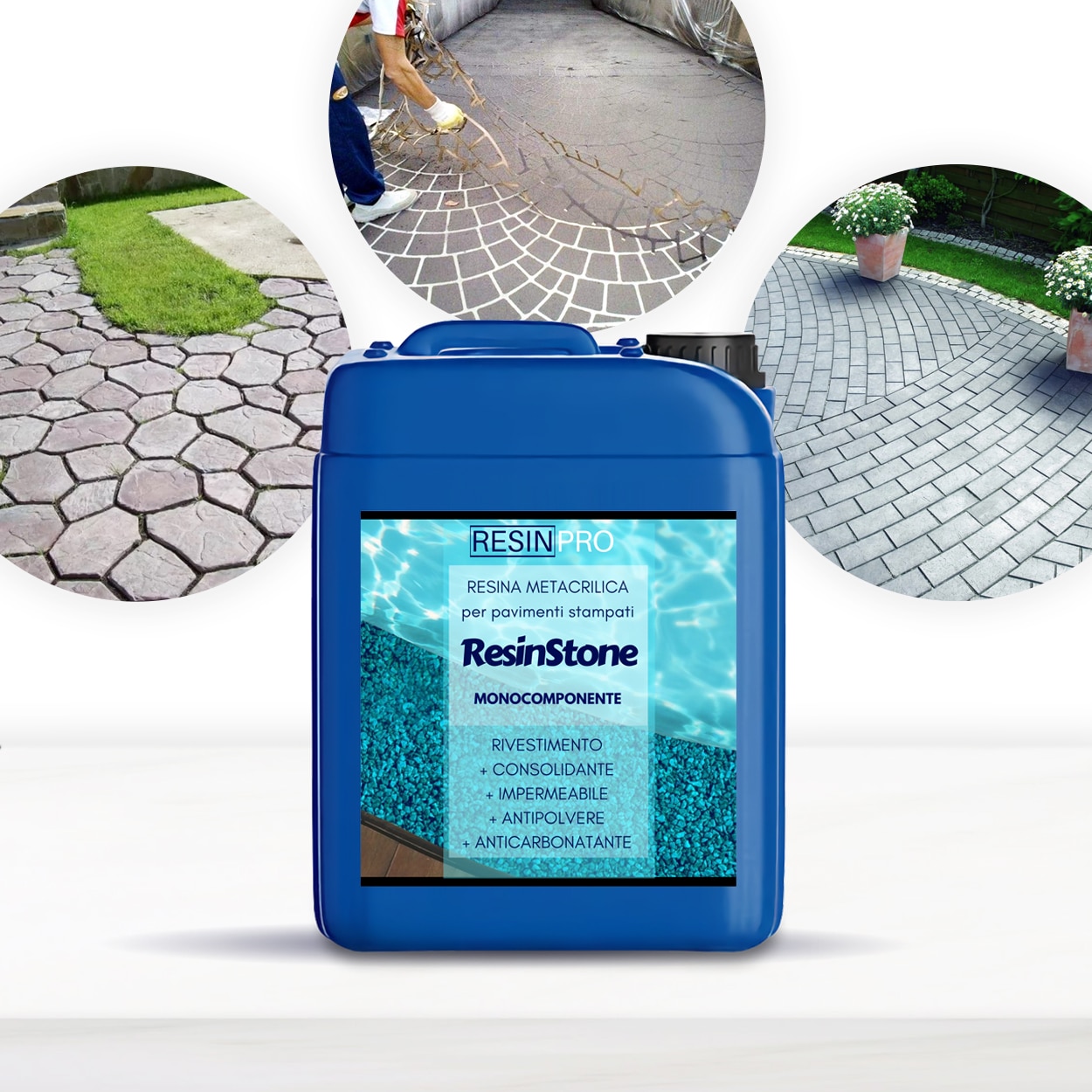
Not every epoxy resin or lacquer is suitable for every task. For wood, clear spray lacquers such as 2K Clear Coat Lacquer Aerosol Spray or “Macote KZ 100” provide a high-gloss, protective finish with user-friendly aerosol application. For concrete, products like Resinstone are specifically designed to penetrate and seal hard absorbent surfaces, offering mechanical strength and resistance to weathering. Always choose a spray product developed for the material you are treating.
Preparation and Application Tips
Surfaces must be thoroughly cleaned, dry, and free of dust or oils before spraying. On wood, a light sanding can improve adhesion. For concrete, ensure any cracks or holes are repaired first. Shake the aerosol can well, spray in thin, even layers, and allow recommended drying time between coats for the best results. Proper ventilation is important during the process.
When Spraying Epoxy Matters Most
Spray application is especially useful for achieving a uniform finish on textured or irregular surfaces, or when working on large areas where brushes or rollers may leave marks. It’s also a time-saving option for quick protective coatings on new projects or renovations.
Related products
Related guides
Spraying epoxy resin on wood or concrete can deliver excellent protection and finish—just be sure to select a formula tailored to your project’s needs. For deeper techniques and product options, see our main guide on how to spray epoxy resin.