 Free shipping on orders over £29,85
  Shipping Tracking!


 Google
 Facebook
← Back to How can I repair or refine a damaged epoxy resin surface?
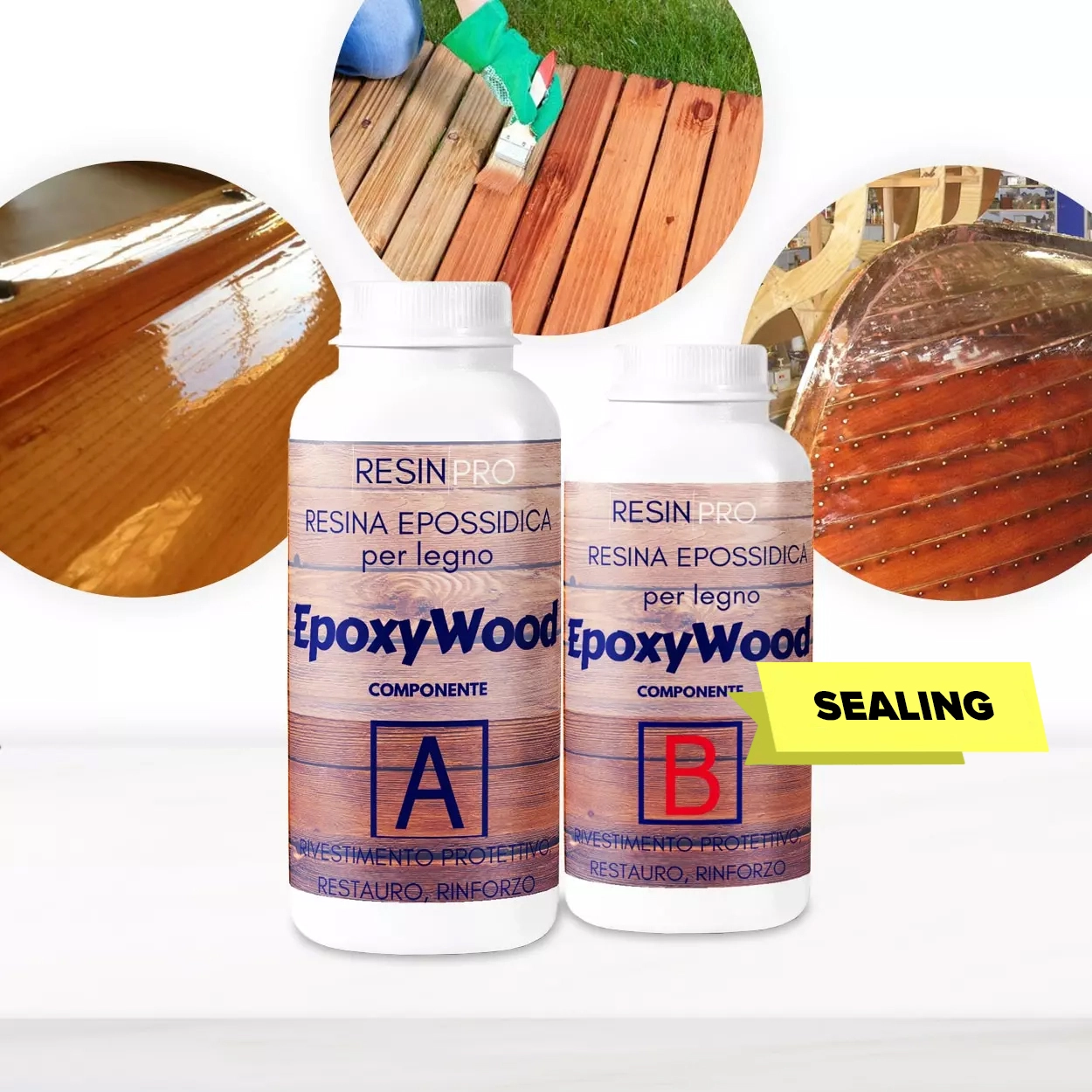
When epoxy resin on wood becomes compromised by moisture, cracks, or wear, restoring the underlying timber is essential for a durable repair. Deep restoration targets not just the surface but the wood structure itself, safeguarding against future damage.
Assess and Prepare the Wood
Start by inspecting the affected area for rot, dampness, or structural weakness. Remove loose epoxy and decayed wood with fine sanding, using a pad such as Ebonite Abralon sanding pads to ensure a smooth and clean surface. Thorough cleaning with a gentle degreaser helps eliminate oils and contaminants, improving resin adhesion.
Reinforce and Seal with Penetrating Epoxy
For deep restoration, apply a solvent-free, ultra-low viscosity epoxy designed for wood, like EpoxyWood. This type of resin penetrates deeply into wood fibres, strengthening the structure from within while creating a waterproof barrier. Multiple thin coats may be needed for very porous or damaged sections; allow each to cure fully for optimal reinforcement.
When Deep Restoration is Necessary
- Water damage or previous epoxy failure has compromised the wood beneath.
- You wish to extend the lifespan and appearance of outdoor wooden furniture, decking, or boat hulls.
- The existing timber is prone to rot or will face repeated moisture exposure.
Related products
Related guides
Deep restoration ensures damaged wooden substrates regain their strength and water resistance, forming the foundation for successful epoxy resurfacing. Explore more ways to repair or enhance resin-coated wood in our main epoxy surface repair guide.