 Free shipping on orders over £29,85
  Shipping Tracking!


 Google
 Facebook
← Back to How to use antifosphate resins?
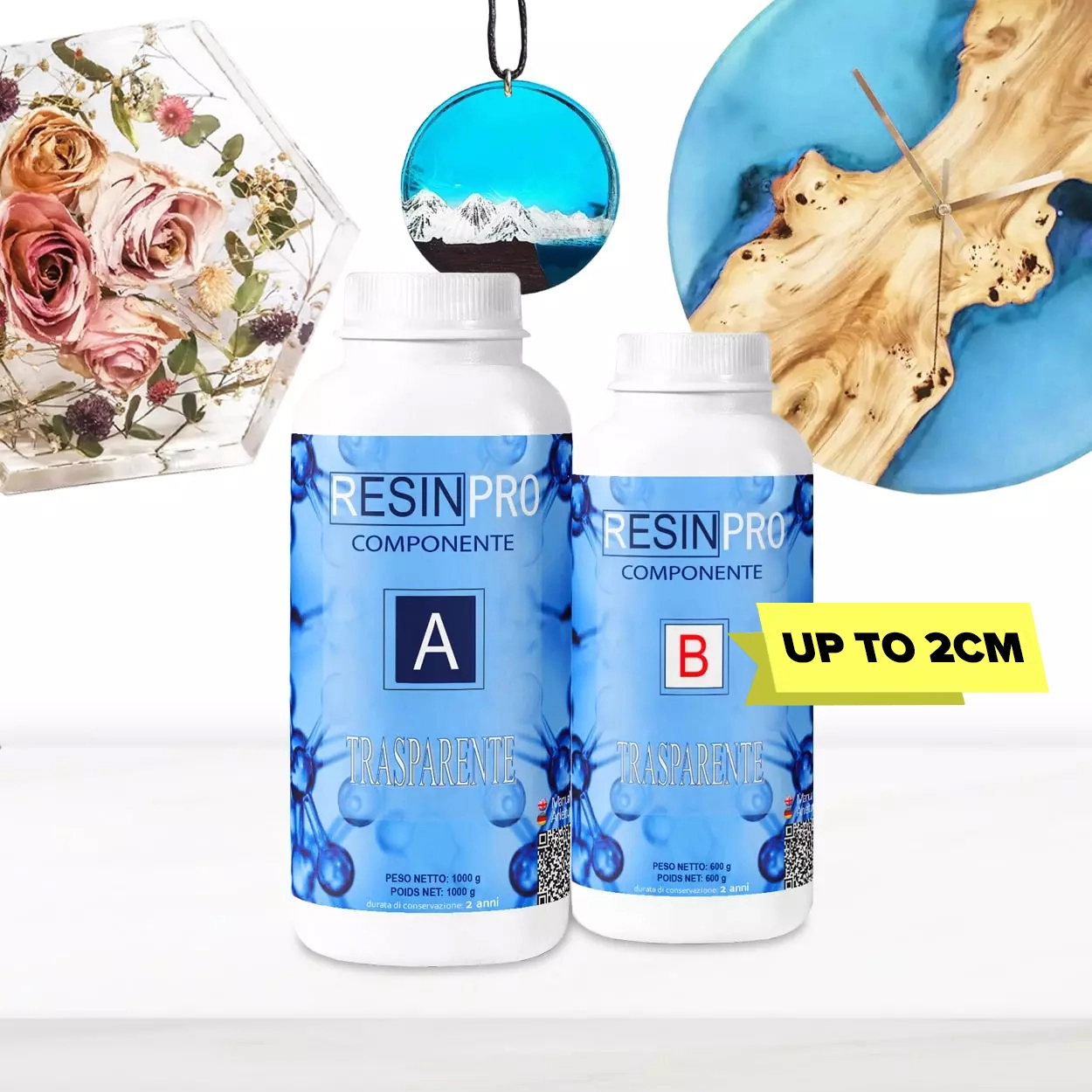
Unused resin doesn’t have to go to waste. By storing leftover epoxy or polyurethane resin properly, you can prevent it from degrading and ensure your next project yields quality results.
Keep Containers Tightly Sealed
Air and moisture are the main factors that can spoil resin. After pouring out what you need, immediately close both resin and hardener bottles firmly. Use the original caps, and make certain the rims are clean and dry to stop lids from sticking or leaking. If the original packaging is damaged, decant into a clean, airtight container clearly labelled with the type and date.

Store in a Cool, Dry Place
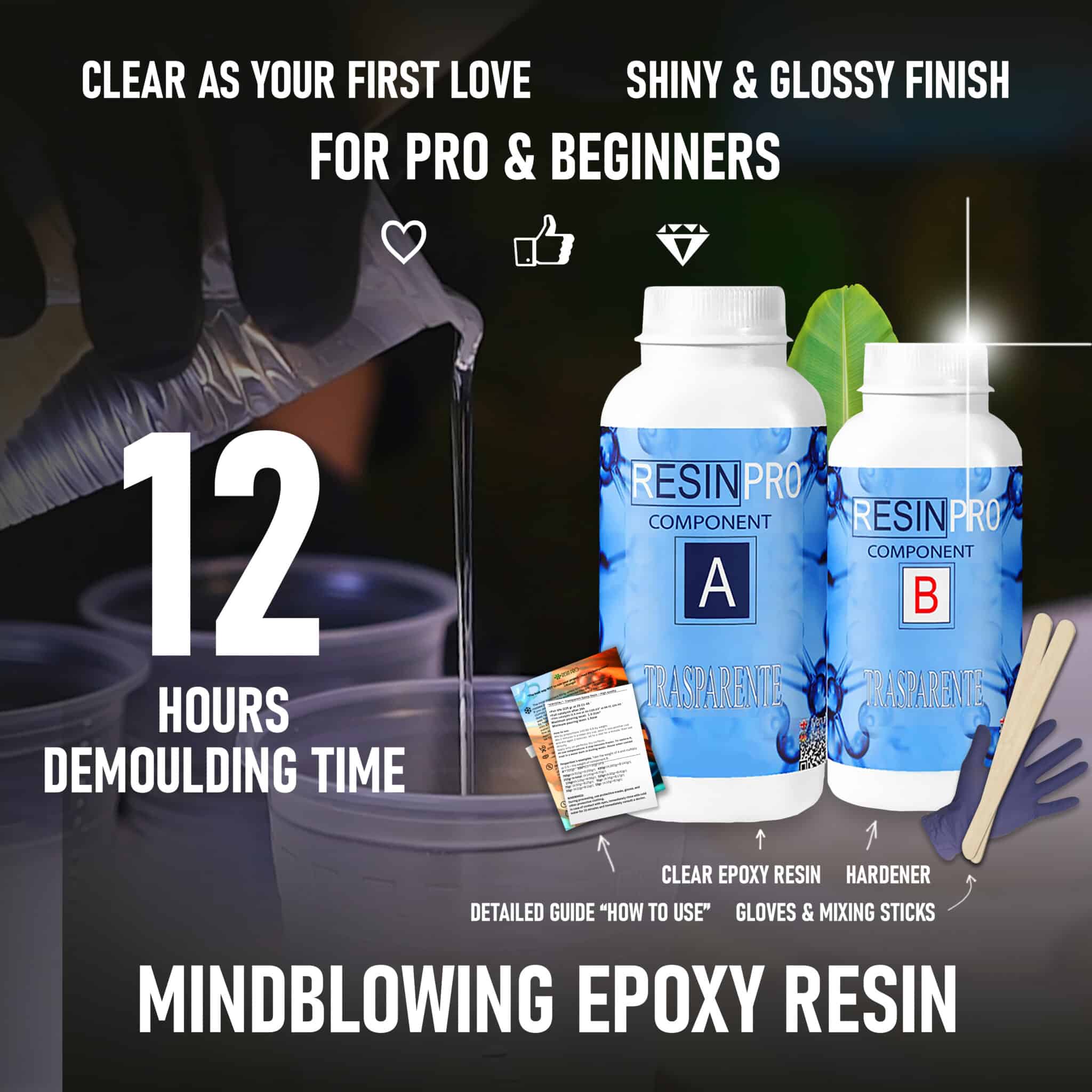
Direct sunlight, heat, or fluctuating temperatures can shorten resin shelf life or cause it to thicken. Store your resin at room temperature in a cupboard or storage box away from radiators, windows, and humidity. Many resins, such as “Trasparente” Epoxy Resin, perform best when kept around 18–25°C. Avoid freezing or overheating containers, as this can lead to crystallisation or hardening in the bottle.
Clean and Use Tools Carefully
Only return unused resin to the bottle if it has not been contaminated by hardener or other materials. Dedicated pouring cups and disposable mixing sticks help prevent cross-contamination. Wipe bottle necks before resealing and use gloves to avoid introducing moisture or debris.

When This Matters
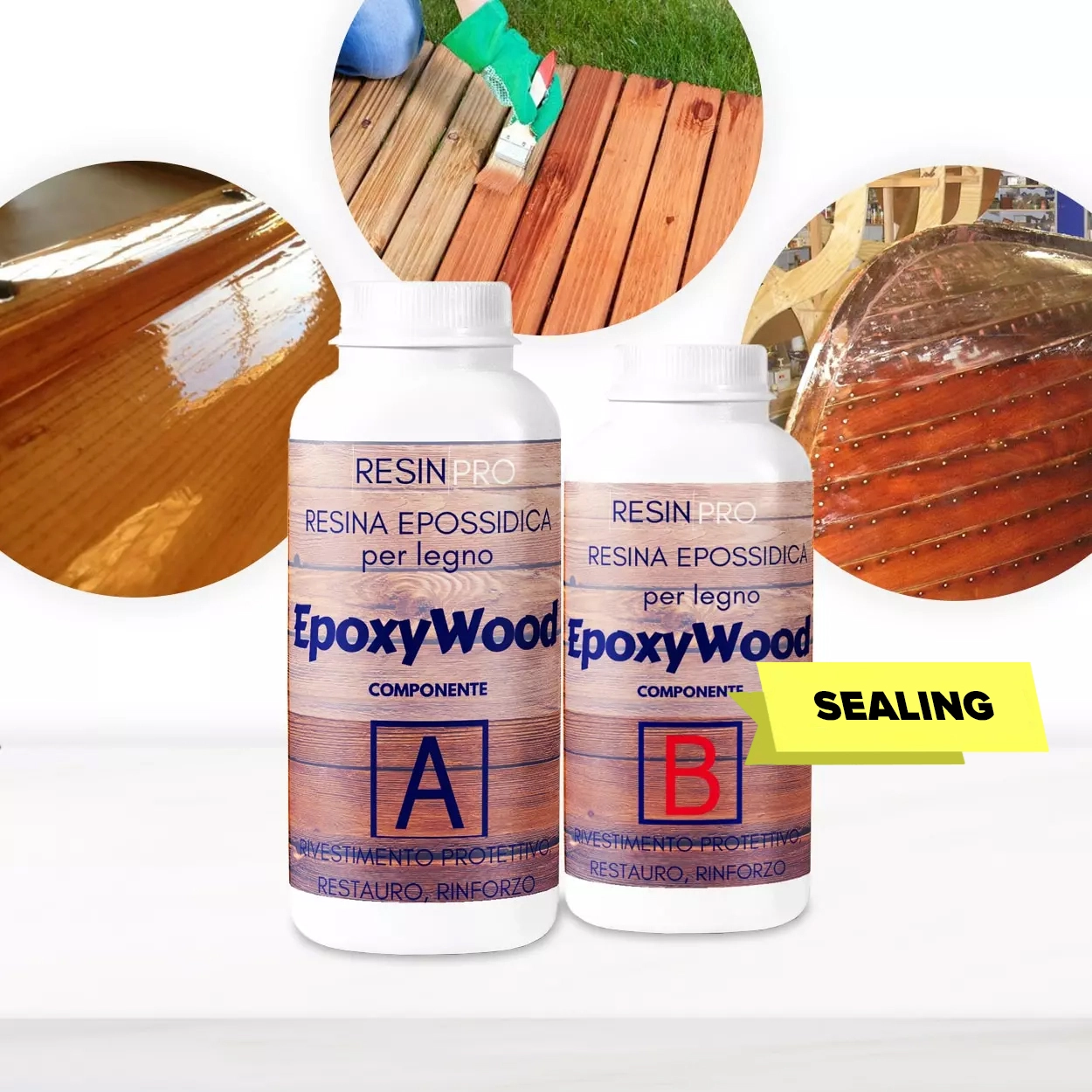
If you often work on projects in stages—whether with wood restoration resin like EpoxyWood or with detailed moulds using polyurethane—the ability to store and re-use your leftover resin can save money and reduce waste. Proper storage ensures you don’t encounter unexpected problems mid-project.
Related products
Related guides
Storing resin properly pays off with consistent results and less waste, whether you’re working on an art piece, home repairs, or restoration projects. For more on working with specialty resins, visit our antifosphate resins guide.