 Free shipping on orders over £29,85
  Shipping Tracking!


 Google
 Facebook
← Back to How much epoxy resin is needed for 1 square metre?
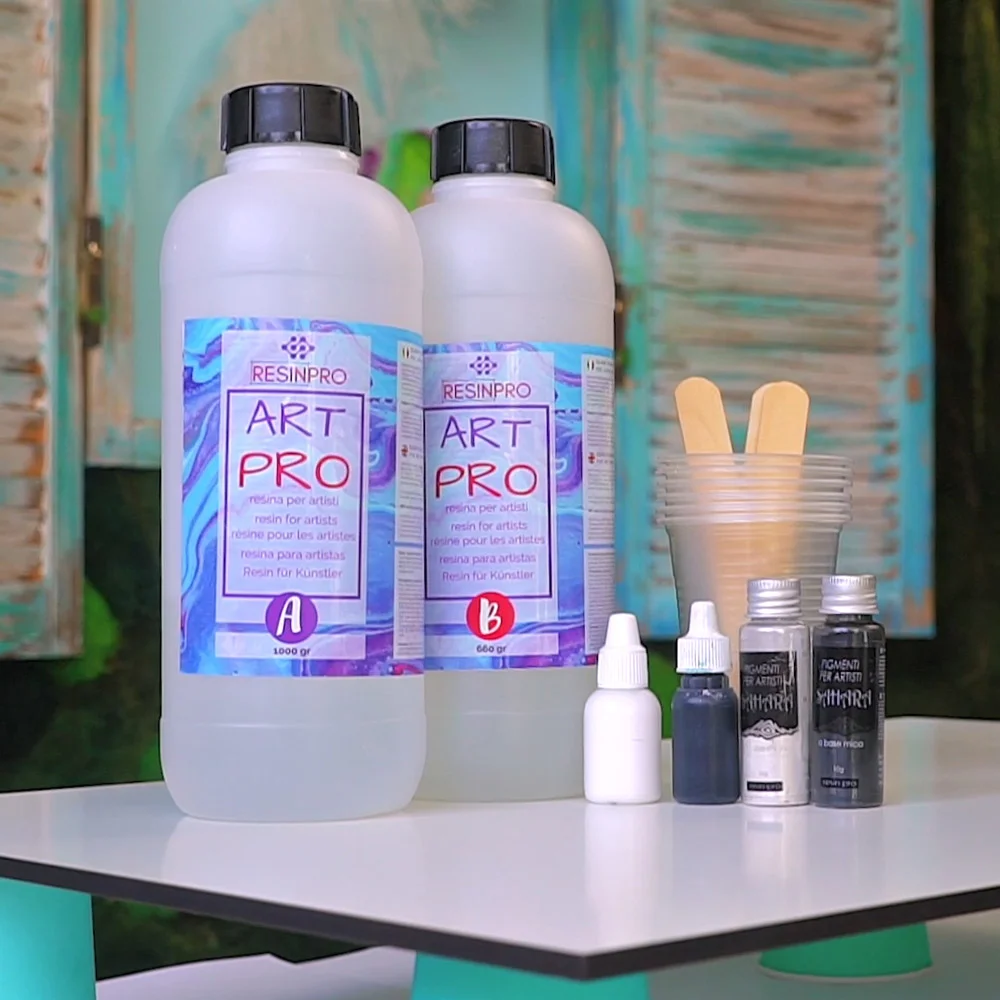
Surface preparation is a crucial yet sometimes overlooked step that greatly influences how much epoxy resin you’ll need for your project. Whether you’re coating a worktop, casting a table, or installing a pebble floor, proper prep helps ensure the finish you expect—without waste or surprises in coverage.
Why Preparation Affects Resin Usage
An unprepared surface is often porous or uneven, allowing resin to soak in or collect in low spots. This leads to higher consumption than if the surface was smooth and sealed. Dust, oil, and debris can also interfere with adhesion, making extra layers necessary and impacting your project budget.

Best Practices for Cleaning and Sealing
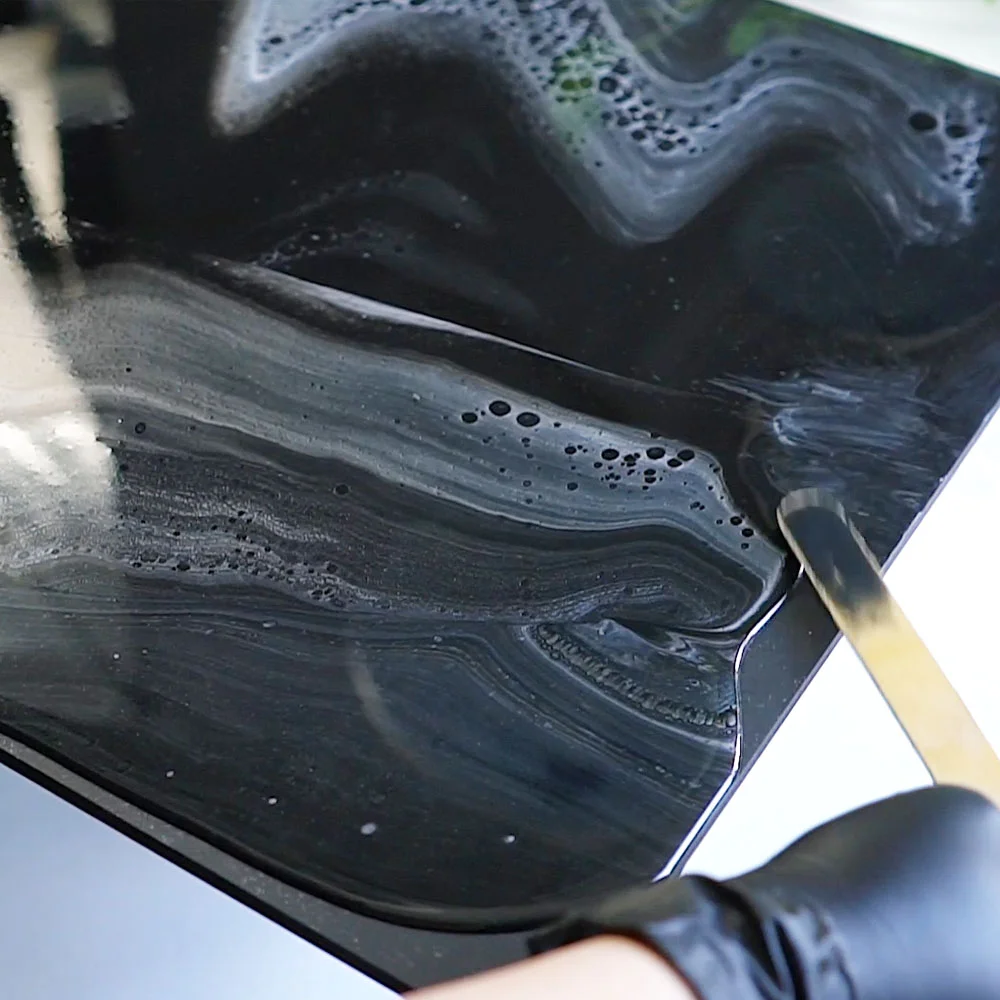
- Clean thoroughly: Remove all dust, grease, and loose debris using a suitable cleaner.
- Assess and fill gaps: Fill cracks and sand down bumps to create an even foundation.
- Prime if needed: On highly absorbent surfaces, consider applying a thin seal coat of resin or dedicated primer to help achieve the estimated coverage.
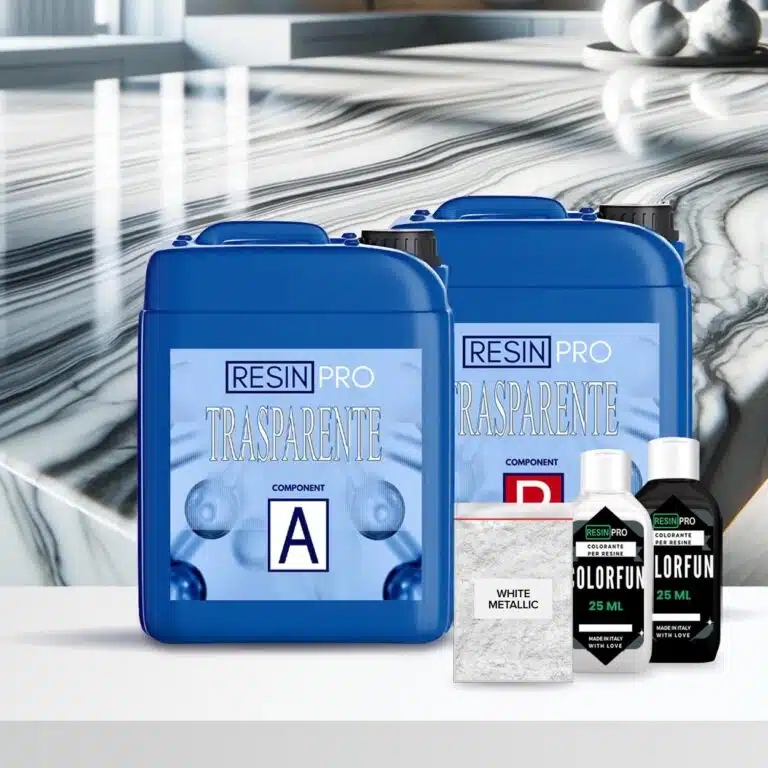
For example, if you’re planning a marble epoxy worktop using the Stone Effect Collection, prepping the existing surface ensures the kit covers the specified area as intended.
When This Matters Most
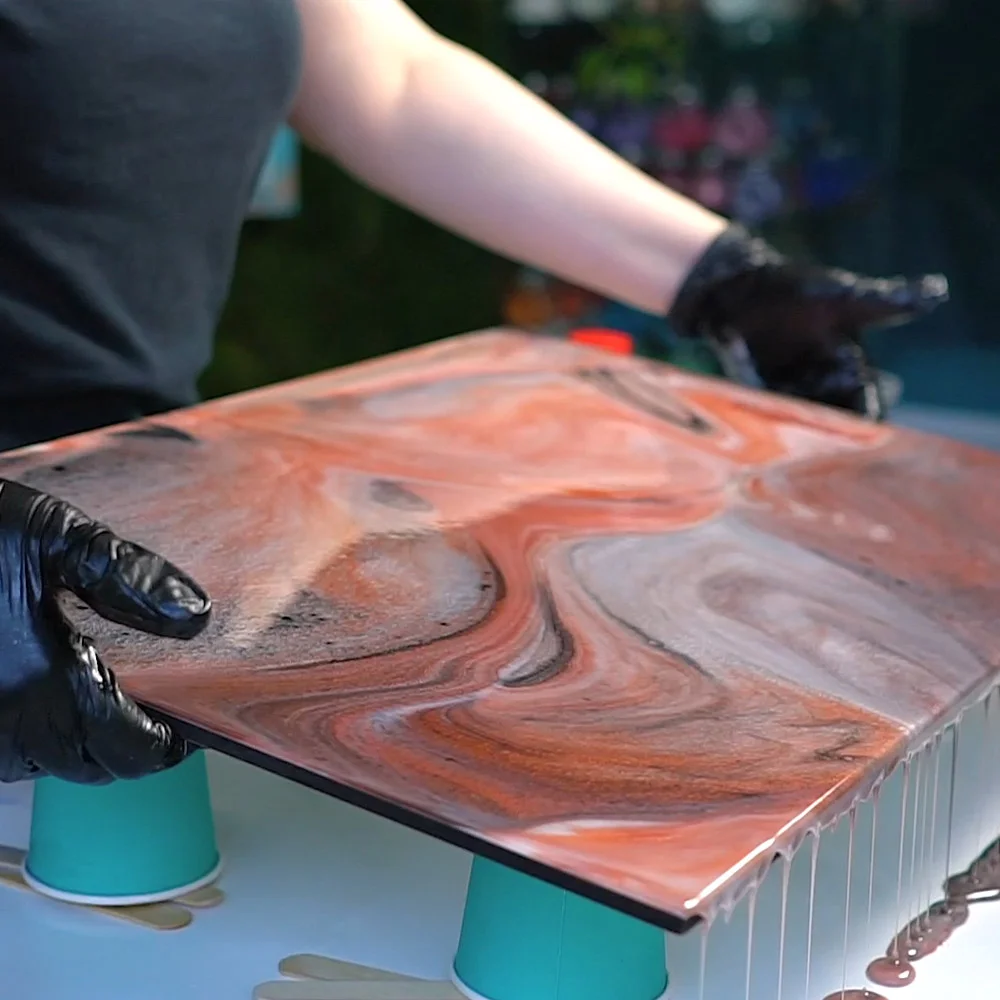
Careful prep is particularly important on porous timber, old tiles, concrete, and any surfaces previously damaged or repaired. If you’re unsure how much resin you’ll need, assume you may use more on less-prepared or rough backgrounds.
Related products
Related guides
By taking the time to prepare your surface correctly, you get the most reliable resin coverage and a professional finish every time. For a complete breakdown of resin quantity calculation, return to our main guide on how much epoxy resin is needed for 1 square metre.