 Free shipping on orders over £29,85
  Shipping Tracking!


 Google
 Facebook
← Back to How do you resin an underwater wooden speargun?
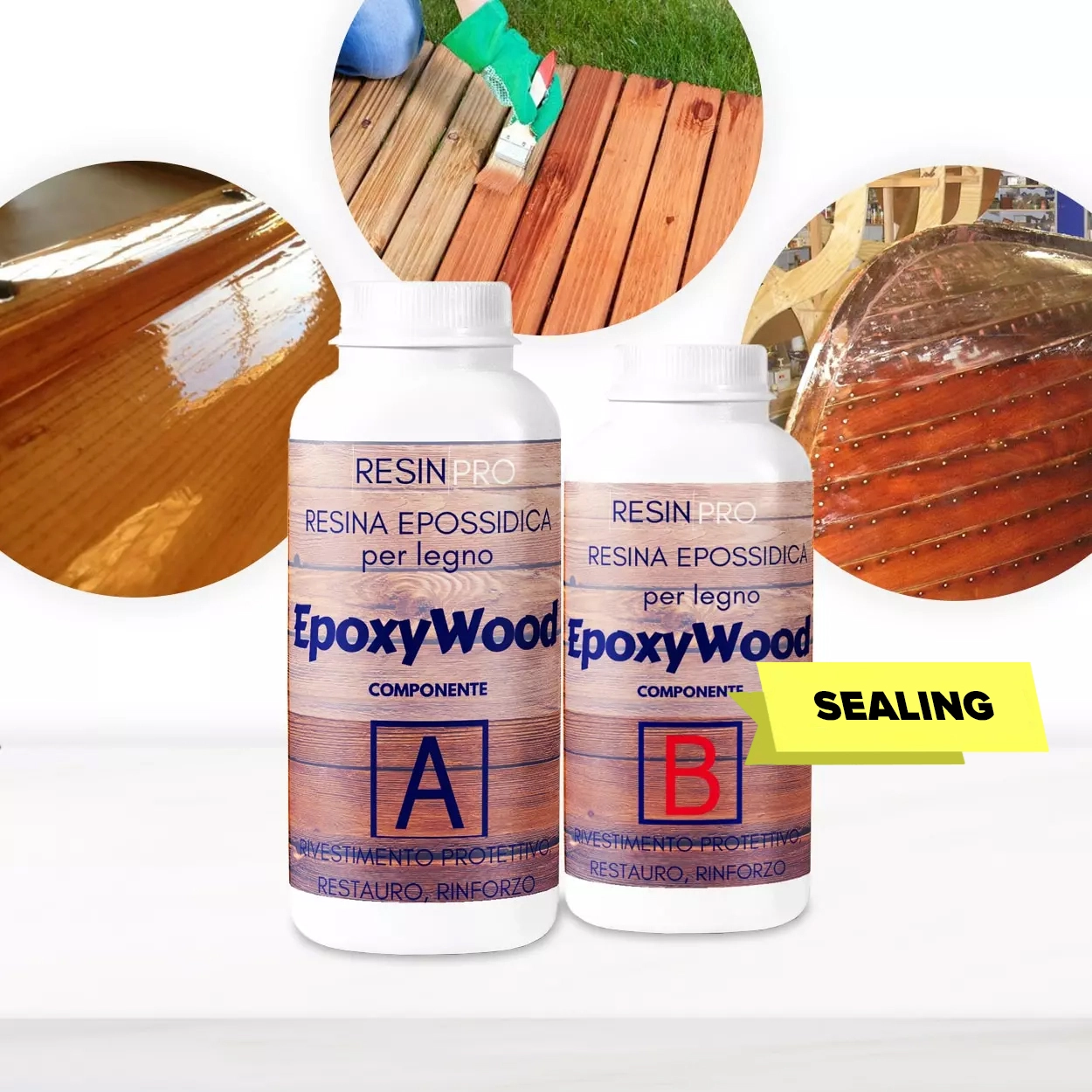
Preparing your wooden speargun correctly is the foundation for a durable, watertight resin finish. Taking time with each stage will ensure the resin bonds strongly and the wood remains protected underwater.
Ensure Thorough Drying and Inspection
Before doing anything else, make sure the speargun is completely dry. Even minor interior dampness can cause improper adhesion or eventual wood degradation. Inspect carefully for any signs of rot, soft patches, or cracking, as these issues should be addressed before you continue.
Sanding for a Smooth, Bondable Surface
Begin by sanding the entire surface of your wooden speargun using progressively finer grit sandpaper, finishing with a 220–320 grit for smoothness. Pay attention to corners and recessed areas. This step not only removes imperfections but also allows resin products like EpoxyWood to deeply penetrate the wood, forming a more secure, waterproof barrier.
Final Cleaning: Remove Dust and Oils
After sanding, thoroughly clean away all dust using a vacuum, brush, or tack cloth. Follow up with a lint-free cloth lightly dampened with isopropyl alcohol to remove any residual oil or grease (avoid water). This clean state is vital; even invisible contaminants can interfere with resin curing, leaving weak spots.
When Surface Prep Matters Most
- When using the speargun in saltwater environments, where water ingress can cause hidden damage if prep is insufficient.
- If you plan to use high-penetration resins for underwater durability, clean wood ensures optimal absorption and longevity.
Related products
Related guides
A properly prepared speargun is crucial for achieving the resilient finish required underwater. For further details on resin application and speargun sealing, visit our main guide on how to resin a wooden speargun.