 Free shipping on orders over £29,85
  Shipping Tracking!


 Google
 Facebook
← Back to How do you make putty without silicone?
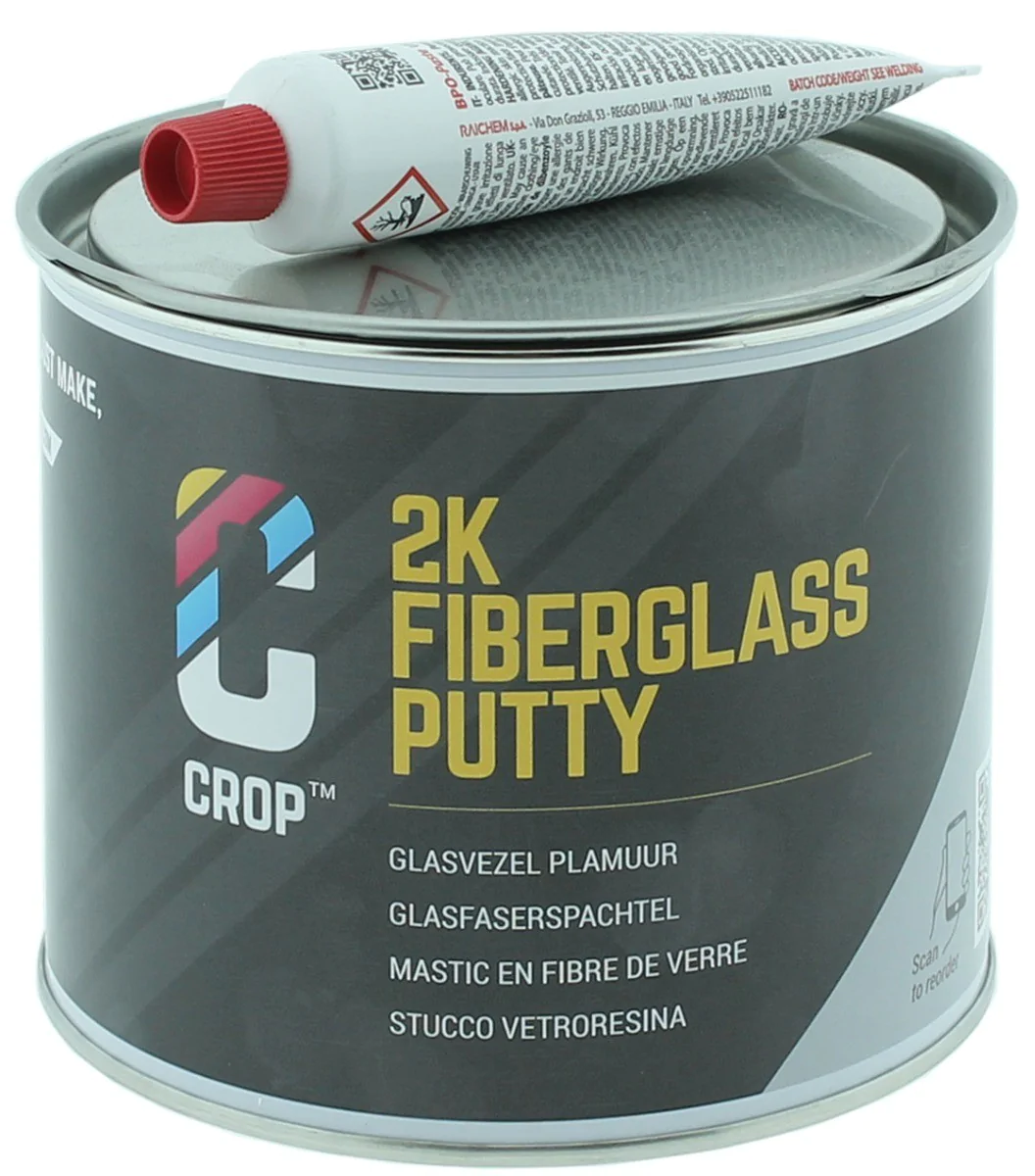
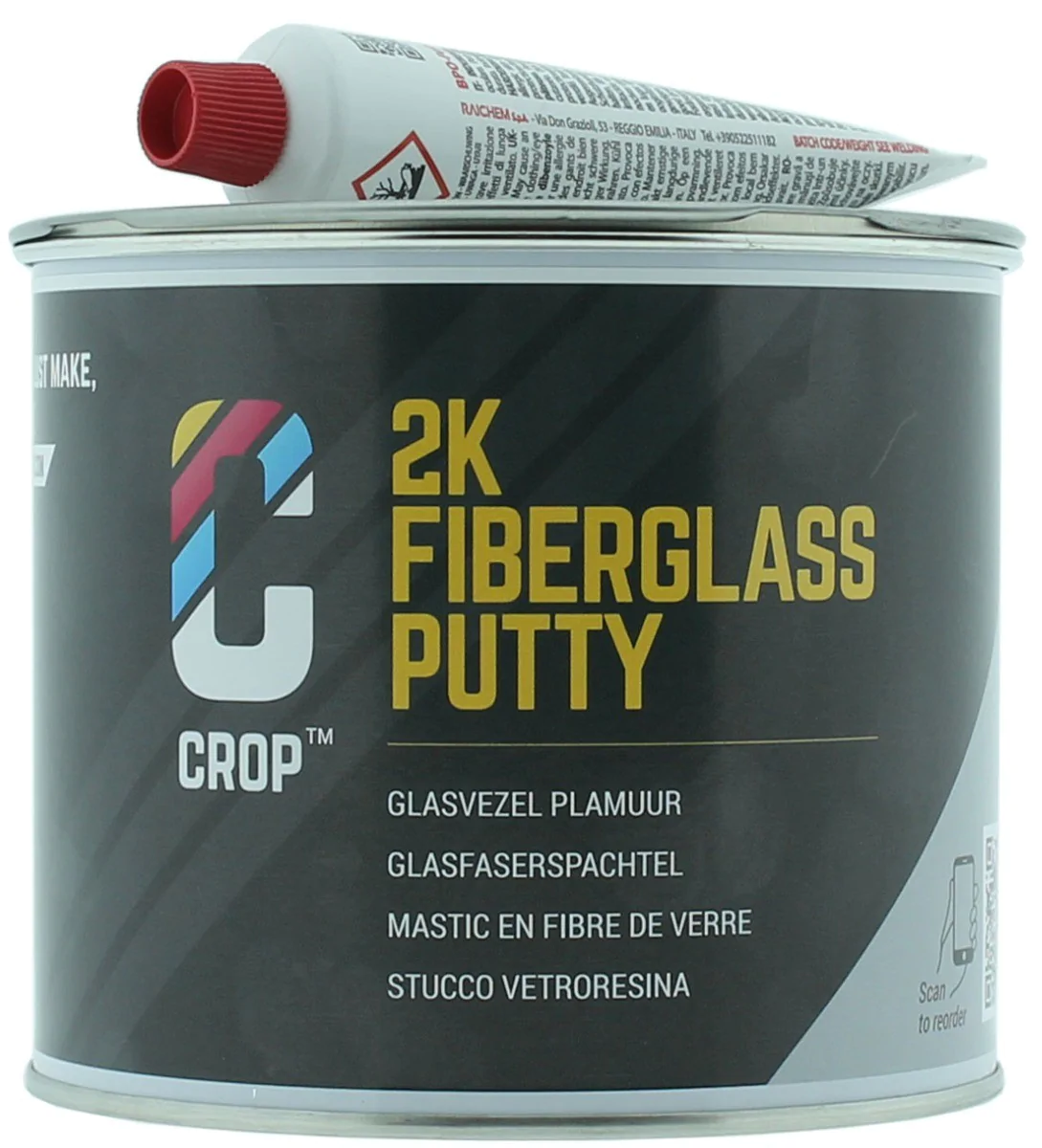
Silicone-free putties open up a wide array of repair options across various materials, providing strong, versatile alternatives for different types of restoration work. Knowing which surfaces they adhere to best can help you select the right product for your next project.
Compatible Surfaces for Silicone-Free Putties
Most silicone-free putties, such as polyester, epoxy-based, or fibreglass-reinforced varieties, reliably bond to:
- Metals (including aluminium and galvanised steel)
- Plastics (check compatibility for very smooth or oily plastics)
- Wood (sanded and dry for best adhesion)
- Stone and cement
- Painted or varnished surfaces, so long as they are well-adhered and clean
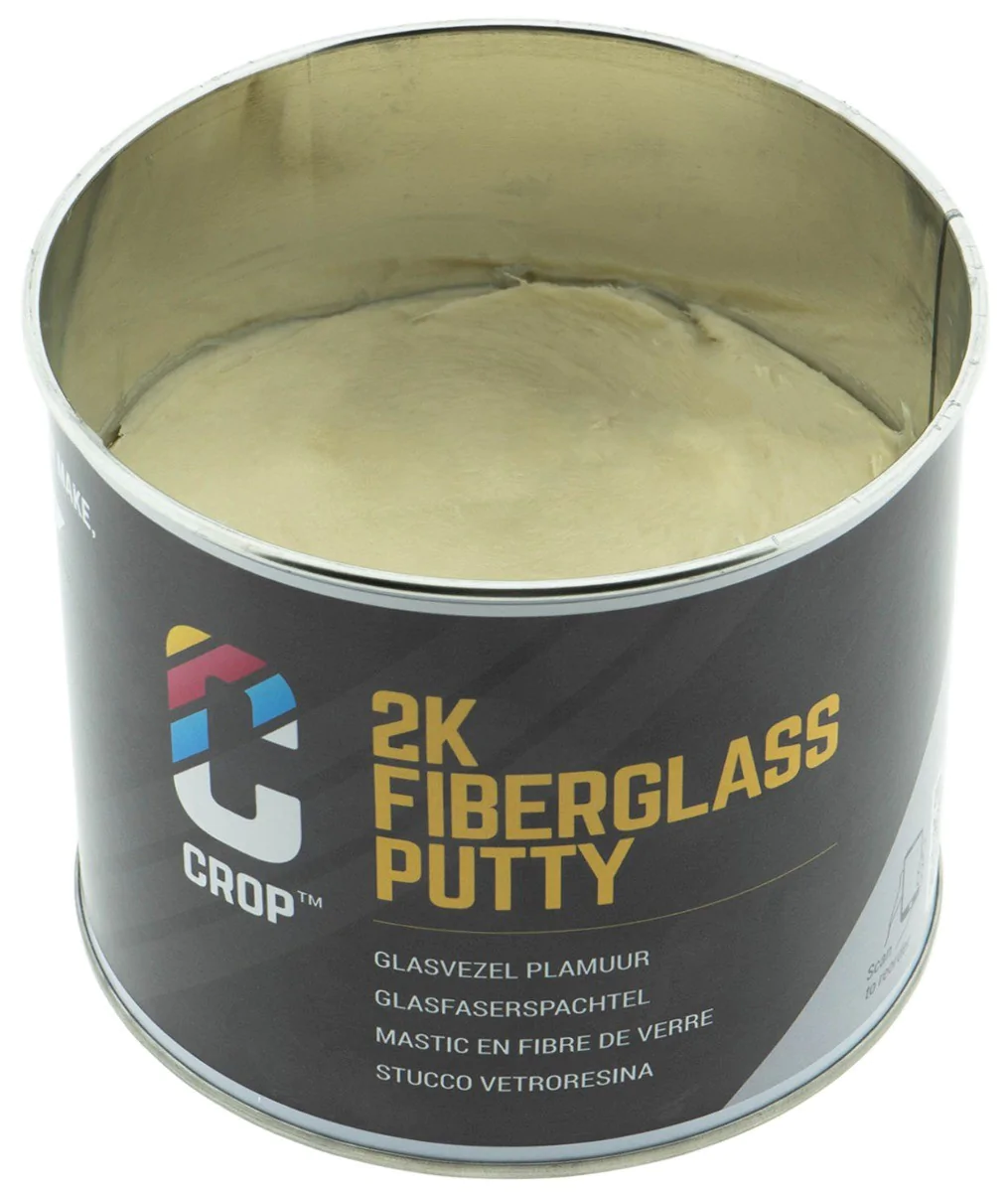
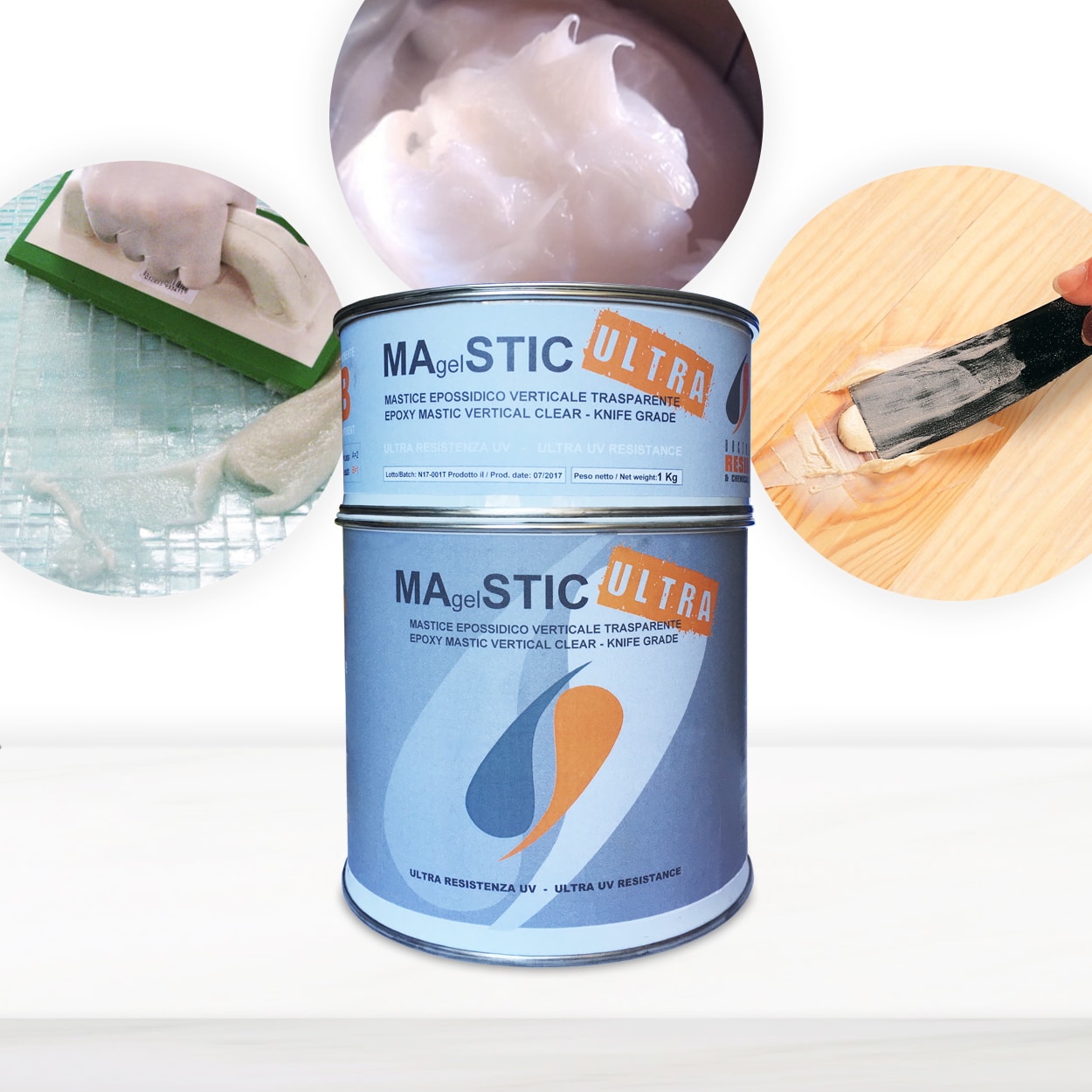
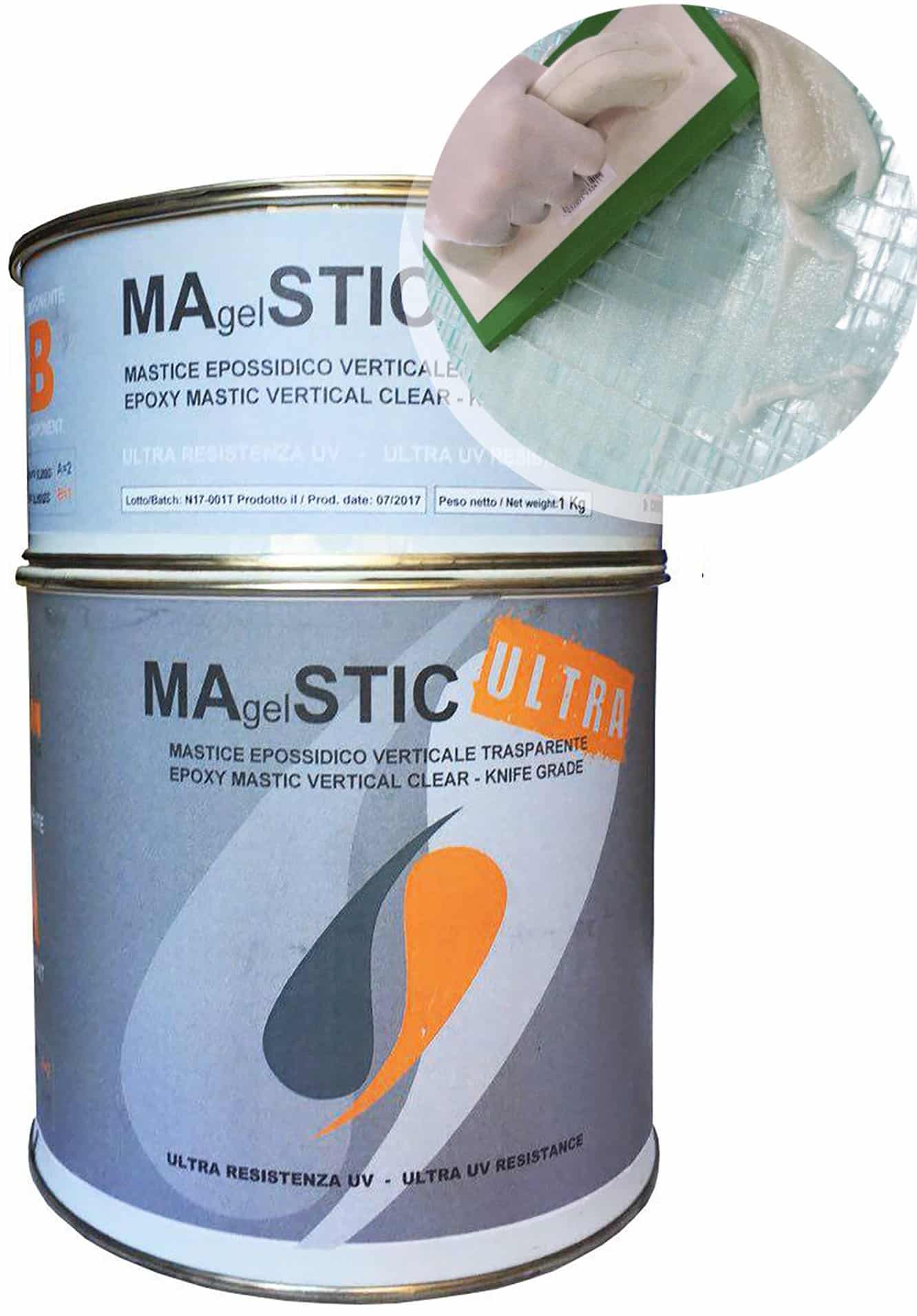
Epoxy mastics are excellent for stone, metal, and cement—a popular choice for stone masons and restoration specialists. Products like CROP 2K Fiberglass Putty are specially formulated for vehicle bodywork, plastics, and existing finishes.
Preparation for Best Results
Thorough preparation is the foundation for lasting repairs with silicone-free putty. Clean surfaces of dust, oils, loose paint, and old residues. For metals, a light sanding improves mechanical grip. Stone and cement benefit from removing friable material and making sure the area is dry. Wooden surfaces should be well dried and, ideally, sanded to expose fresh fibres for the strongest bond.
Choosing the Right Putty for the Surface
The application determines your product choice. For auto body repairs and deep filling on metal or tough plastics, fibreglass-reinforced polyester putties provide superior strength and sandability. For masonry, grouting, or stone repairs, a thixotropic epoxy mastic is purpose-built. Timber restoration can benefit from epoxy wood formulas that both reinforce and waterproof.
When Surface Suitability Matters Most
Selecting the right putty type for your working surface is especially important in demanding environments, such as places exposed to moisture, load, or outdoor weather, where reliable adhesion and durability are critical.
Related products
Related guides
Understanding which surfaces work best with silicone-free putties ensures a solid, long-lasting repair. For more in-depth guidance on making or choosing putty alternatives to silicone, revisit our main guide on making putty without silicone.